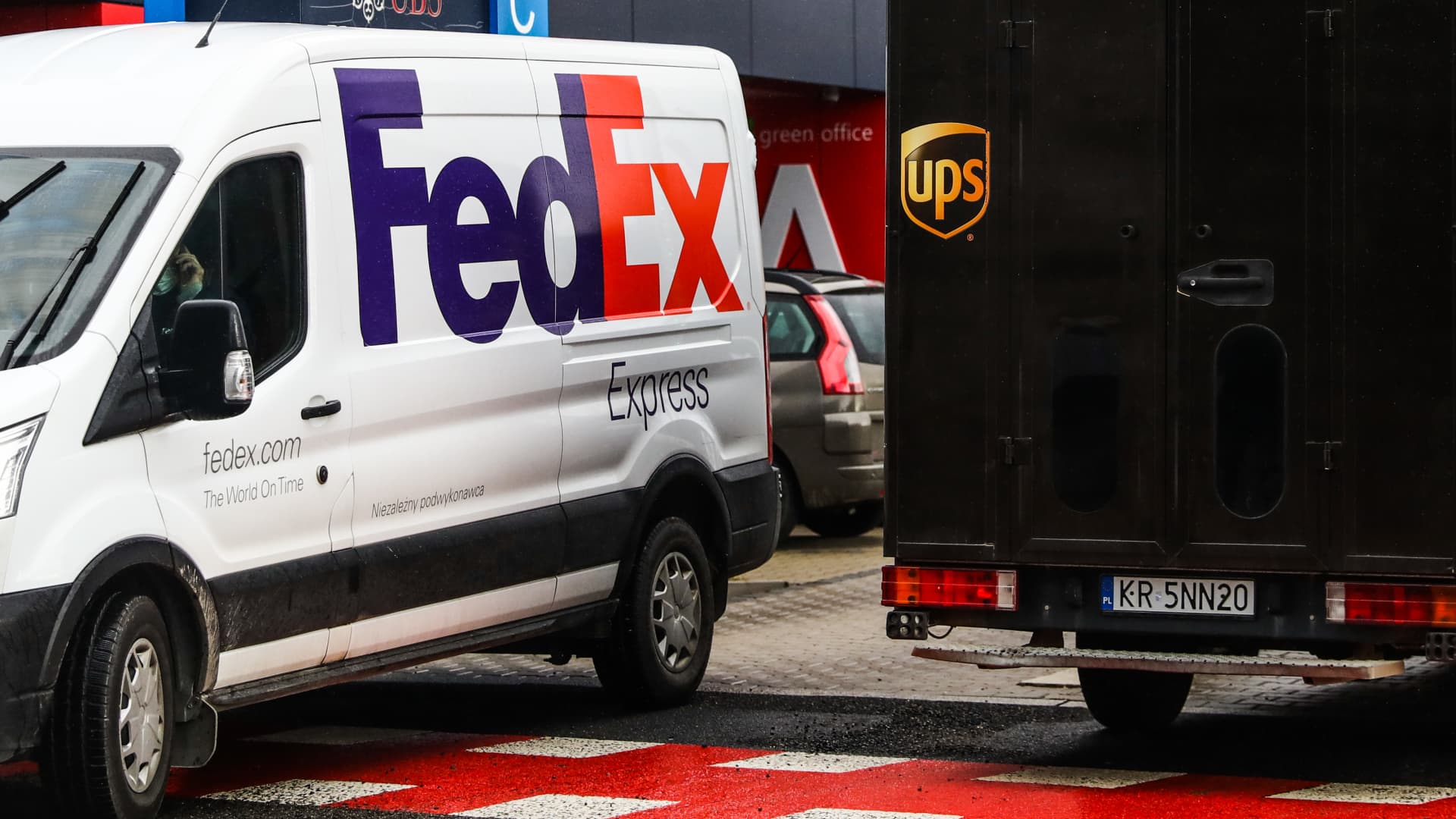
Logistics Giants Launch Tariff Refund Initiative Following Landmark Supreme Court Ruling
Major global logistics providers, including UPS, FedEx, and DHL, have officially commenced the process of seeking tariff refunds from U.S. Customs and Border Protection (CBP). This administrative shift comes in the wake of a pivotal Supreme Court ruling issued in February, which determined that specific tariffs previously collected under the International Emergency Economic Powers Act (IEEPA) were unconstitutional. While this ruling does not impact other trade levies such as Section 301 or Section 232, it provides a legal pathway for the recovery of these specific, invalidated charges.
The refund process is currently being managed through the Consolidated Administration and Processing of Entries portal. CBP is rolling out the recovery program in phases, with the current initial stage limited to entries finalized within the last 80 days. As these logistics firms frequently serve as the ‘importer of record’ for international shipments, they are spearheading the claim submissions on behalf of their diverse client base.
UPS, FedEx, and DHL have confirmed their commitment to securing these funds and have pledged to pass the recovered savings back to the shippers and consumers who ultimately paid the costs. However, stakeholders should anticipate a protracted timeline. UPS has estimated that the government may require up to three months to process and issue these refunds, after which the logistics companies will begin the secondary process of distributing the capital to their respective clients.
While the logistics firms are actively navigating these complex regulatory requirements, they remain in close communication with federal authorities to clarify the procedures for subsequent phases of the refund program. The situation remains fluid, and the companies have committed to maintaining transparency with their customers as they monitor ongoing legal and administrative developments regarding the remaining claims.
Key Takeaways
- UPS, FedEx, and DHL are filing for tariff refunds following a Supreme Court ruling that deemed certain IEEPA-based tariffs unconstitutional.
- The refund process is being handled through the CBP's Consolidated Administration and Processing of Entries portal in phases.
- Logistics companies act as the 'importer of record' and have committed to passing the recovered funds back to their customers, though the process may take several months.
Editor’s Analysis & Impact
The Supreme Court’s decision to invalidate specific IEEPA-based tariffs marks a significant moment for international trade and logistics. By forcing a refund mechanism, the ruling highlights the tension between executive authority in trade policy and constitutional limitations. For the logistics industry, this creates a complex administrative burden, as firms must act as intermediaries between federal authorities and thousands of individual shippers. The long-term implication is a potential shift in how logistics companies structure their ‘importer of record’ agreements to mitigate future liability. Furthermore, while the immediate financial impact for individual shippers may be modest, the precedent set by this ruling could lead to increased scrutiny of future trade levies, potentially forcing the government to adopt more rigorous legal frameworks when imposing emergency economic measures.
Frequently Asked Questions
Q: Will all tariffs be refunded under this new process?
A: No. The refund process only applies to specific tariffs collected under the International Emergency Economic Powers Act (IEEPA) that were declared unconstitutional. Other levies, such as Section 301 or Section 232 tariffs, remain in effect.
Q: How long will it take for shippers to receive their money back?
A: The process is expected to be lengthy. UPS has indicated that it could take up to three months for the government to process the refunds, after which the logistics companies will need additional time to distribute the funds to their clients.
AI Disclosure: This article is based on verified data and official reports. Our Team and AI have cross-referenced every financial detail with primary sources to ensure total accuracy.
More from this Category