Microscopic Mars Dust Analysis Paves the Way for Safe Human Exploration
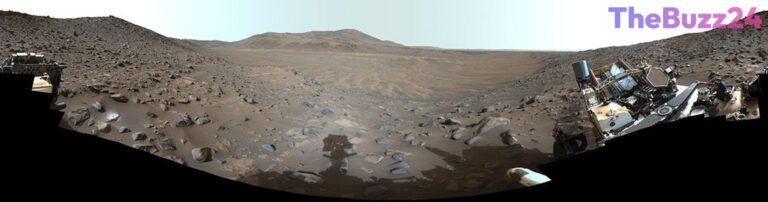
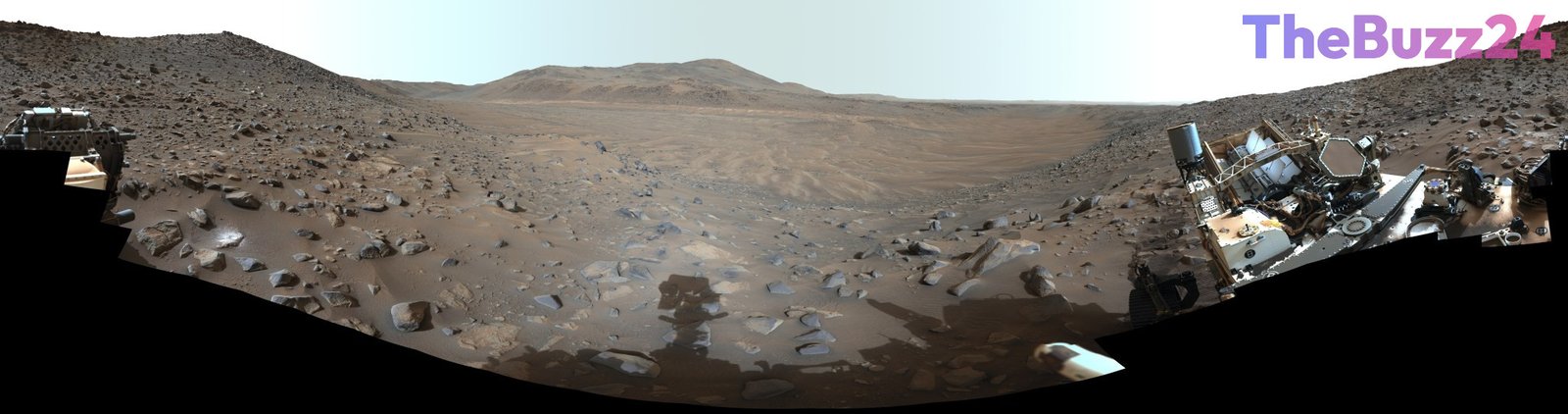
Data collected over 1,645 Martian days by the Perseverance rover is providing critical insights into how fine and ultrafine atmospheric dust behaves on the Red Planet. By studying dust particles adhering to spacesuit material swatches attached to the rover’s calibration instruments—such as SHERLOC and PIXL—scientists have identified microscopic particles small enough to pose serious health hazards to human explorers. These microscopic dust grains, some measuring under 2.5 micrometers and others as tiny as 100 nanometers, are small enough to enter human lungs, penetrate the bloodstream, or travel directly to the brain through nasal passages.
Unlike lunar dust, which features sharp, jagged edges that badly eroded equipment during the Apollo missions, Martian dust is smoothed over time by wind-driven atmospheric collisions. However, Mars dust carries unique hazards, being rich in sulfur, iron, chlorine, silica, and reactive chemical compounds like perchlorates, which can disrupt thyroid function and damage living cells. Static electricity generated by dust storm friction causes these fine particles to cling persistently to organic polymers commonly found in spacesuit outer layers, such as Teflon and Vectran, while larger clumps tend to shake off over time.
Understanding which materials attract or repel specific particle sizes is vital for designing the next generation of habitats, airlocks, and spacesuits. Engineers are evaluating dual-chamber airlock systems and suitports—external mounting systems that prevent suits from bringing contamination into living quarters—to minimize dust intrusion. These findings directly complement ground-based testing and lunar technology trials, such as electrodynamic dust shields and electrostatic cleaning tools currently being evaluated ahead of long-term crewed missions.
While Perseverance’s core objective remains searching for signs of ancient microbial life in Jezero Crater, its secondary function as a human exploration testbed continues to yield invaluable data. Alongside previous technological successes like the MOXIE oxygen generator and the Ingenuity helicopter, analyzing dust behavior ensures that flight surgeons and mission planners can set realistic health thresholds and engineer reliable life-support systems long before astronauts set foot on Martian soil.
Key Takeaways
- Perseverance rover instruments detected fine and ultrafine dust particles on spacesuit samples, highlighting significant potential health risks for future human crews on Mars.
- Static electricity causes tiny particles under 2.5 micrometers to adhere strongly to organic polymer materials like Teflon and Vectran, which are commonly used in spacesuit construction.
- The findings are actively shaping habitat design, airlock architecture, and electrostatic dust mitigation technologies to protect astronaut health and mechanical integrity.
Editor’s Analysis & Impact
The microscopic dust measurements gathered by Perseverance represent a pivotal milestone in mitigating environmental hazards for future crewed interplanetary missions. Dust management has historically been one of aerospace engineering’s most daunting operational hurdles, causing significant hardware degradation during early lunar exploration. By identifying exact particle sizes and chemical compositions, engineers can move away from theoretical models and develop target-specific solutions, such as self-cleaning surfaces, advanced filtration, and suitport airlock designs. Additionally, this research accelerates commercial opportunities for material science firms and aerospace contractors developing specialized electrostatic shields and protective coatings. Ultimately, establishing robust protocols to neutralize fine particle exposure will be a foundational requirement for sustaining long-term human outposts on Mars and beyond.
Frequently Asked Questions
Q: Why is Martian dust dangerous to human astronauts?
A: Martian dust contains ultrafine particles under 2.5 micrometers in size that can penetrate deep into human lungs and enter the bloodstream. Chemically, it contains toxic perchlorates and reactive minerals that can damage living tissues and disrupt thyroid function.
Q: How is Mars dust different from dust found on the Moon?
A: Martian dust grains are smoothed down by atmospheric wind collisions, making them less abrasive than sharp lunar dust. However, Mars dust is chemically distinct, enriched in iron, sulfur, silica, and chlorine, and stays suspended longer due to regional and global storms.
Q: What technologies are being designed to protect astronauts from space dust?
A: Engineers are developing electrodynamic dust shields, electrostatic removal tools, suitports that leave spacesuits outside living modules, and protective surface coatings that prevent dust accumulation via static charge management.
AI Disclosure: This article is based on verified data and official reports. Our Team and AI have cross-referenced every financial detail with primary sources to ensure total accuracy.
More from this Category