Microsoft Cloud Services Suffer Major Global Disruption, Recovery Underway
Microsoft is currently navigating the aftermath of a significant, day-long global outage that impacted a vast array of its cloud-based services. The disruption, which commenced on Thursday, initially affected users in the U.S. and the Americas before rapidly escalating to a worldwide crisis as engineers worked to restore downed servers.
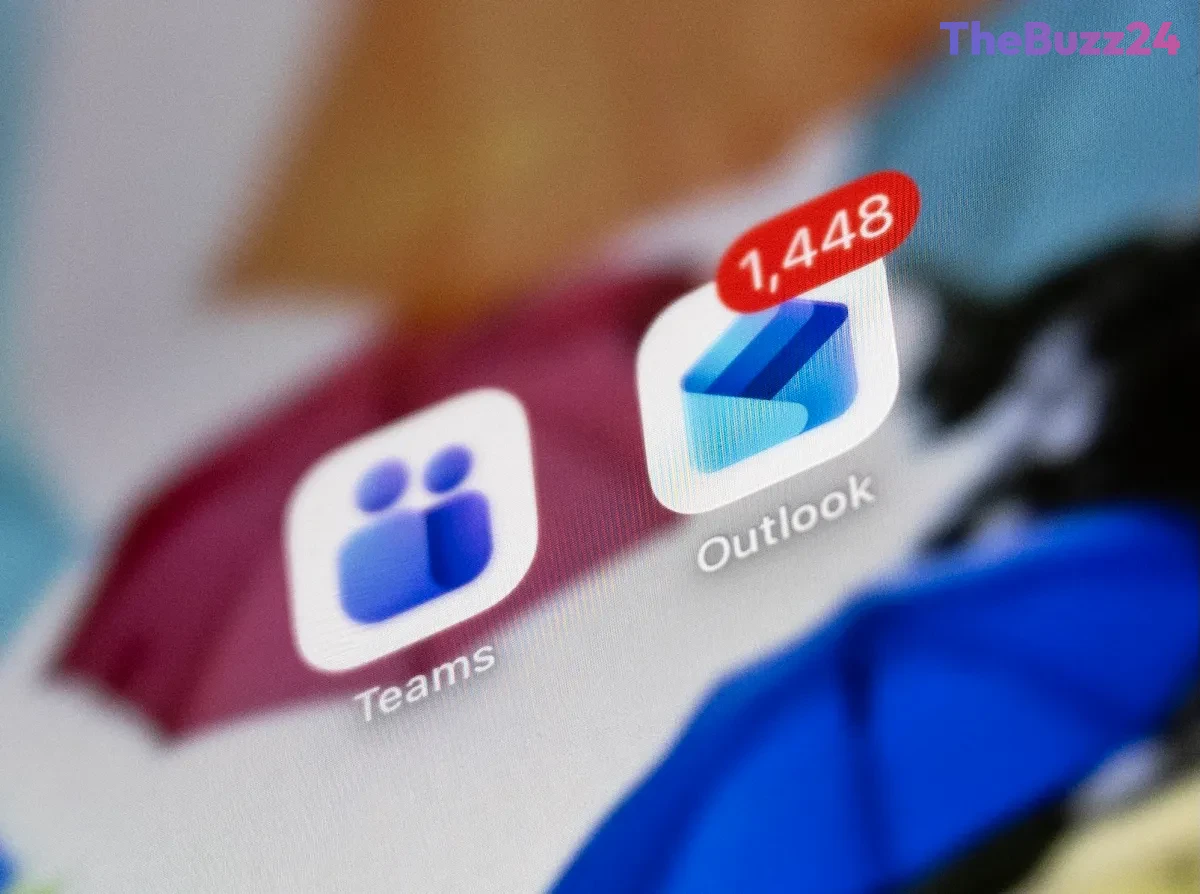
The cascading software issue quickly evolved beyond initial reports of Outlook email and Teams video conferencing problems. The widespread meltdown ultimately crippled Microsoft’s cloud services for both consumer and business users, affecting access to email, files, and documents. Critical tools such as the company’s Copilot AI features and Defender security screening software were also rendered inoperable, alongside system administrators’ ability to access their internal Intune dashboards. Some users also reported difficulties accessing their cloud-based Windows environments.
While Microsoft has not yet disclosed the precise cause, it attributed the incident to “a large number of servers being unexpectedly unavailable” and confirmed an ongoing investigation. As of Friday morning on the U.S. East Coast, signs of recovery began to emerge, with Microsoft’s Outlook email service gradually returning and emails trickling through. Doug Madory, director of internet analysis at Kentik, a firm monitoring global internet traffic, noted a return of traffic to Microsoft’s services after approximately 18 hours of downtime.
In its latest status updates, Microsoft explicitly stated there was “no evidence of malicious activity associated with this incident,” further clarifying it was “not related to cyber or AI / agents.” Despite this assurance, the company is likely to face scrutiny regarding its capacity for swift recovery from such a widespread, self-induced outage. Charles Lamanna, Microsoft’s executive vice president for Copilot, agents, and platform, affirmed that teams are reviewing the incident to prevent similar issues in the future. This event follows a previous major cloud services outage in September, which Microsoft attributed to a “core authentication configuration” problem.
Key Takeaways
- Microsoft experienced a widespread global outage affecting core cloud services like Outlook, Teams, Copilot AI, and Defender security.
- The disruption, which began Thursday, was attributed to a cascading software issue causing numerous servers to become unexpectedly unavailable, with no evidence of malicious activity.
- While recovery efforts are underway and services are gradually being restored, the incident raises questions about Microsoft's resilience and ability to swiftly restore critical services.
Editor’s Analysis & Impact
This extensive Microsoft outage underscores the profound dependency of global businesses and individual users on a handful of dominant cloud service providers. The disruption likely resulted in significant productivity losses and operational hurdles across various industries, highlighting the fragility of interconnected digital infrastructure. Moving forward, Microsoft will face intense pressure to enhance its redundancy measures and incident response protocols to prevent future occurrences of this magnitude. This event could also prompt enterprises to re-evaluate their single-cloud strategies, potentially accelerating a shift towards multi-cloud environments to mitigate risks. For the broader tech industry, it serves as a stark reminder that even the most sophisticated systems are vulnerable to cascading failures, necessitating continuous investment in resilience and disaster recovery planning.
Frequently Asked Questions
Q: What caused the recent Microsoft cloud outage?
A: Microsoft stated the outage was due to a cascading software issue that led to a large number of servers becoming unexpectedly unavailable. The company has explicitly ruled out any malicious activity or cyber-related causes.
Q: Which Microsoft services were impacted by the global disruption?
A: The outage affected a wide range of Microsoft services globally, including Outlook email, Teams video conferencing, consumer and business cloud services for files and documents, Copilot AI tools, Defender security software, and Intune dashboards.
Q: How long did the outage last, and are services fully restored?
A: The primary disruption lasted approximately 18 hours, beginning on Thursday. While recovery efforts commenced on Friday morning and service availability is improving across affected infrastructure, Microsoft continues to work towards full restoration and is investigating the root cause.
AI Disclosure: This article is based on verified data and official reports. Our Team and AI have cross-referenced every financial detail with primary sources to ensure total accuracy.
More from this Category