Middle East Stability Shifts as U.S.-Iran Memorandum Takes Effect
A significant shift in Middle Eastern geopolitics is underway following the signing of a memorandum between the United States and Iran, marking a pivotal step toward de-escalation. The agreement has already begun to manifest in tangible changes, most notably in the Strait of Hormuz, where the U.S. Navy has officially ceased its blockade of Iranian coastal waters. This move has reopened critical maritime trade routes, allowing commercial vessels to transit the region without tolls for an initial 60-day period.
Early indicators of economic activity are already surfacing, with data confirming that Saudi Arabian supertankers carrying millions of barrels of oil have successfully navigated the Strait. Simultaneously, life in Tehran is showing signs of returning to normalcy as the immediate pressures of the conflict subside. These developments represent a fragile but hopeful transition toward regional stability, though the long-term sustainability of the accord remains a subject of intense scrutiny.
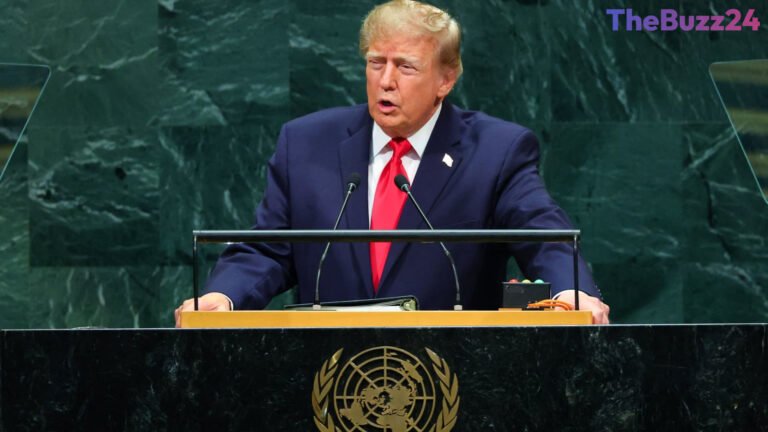
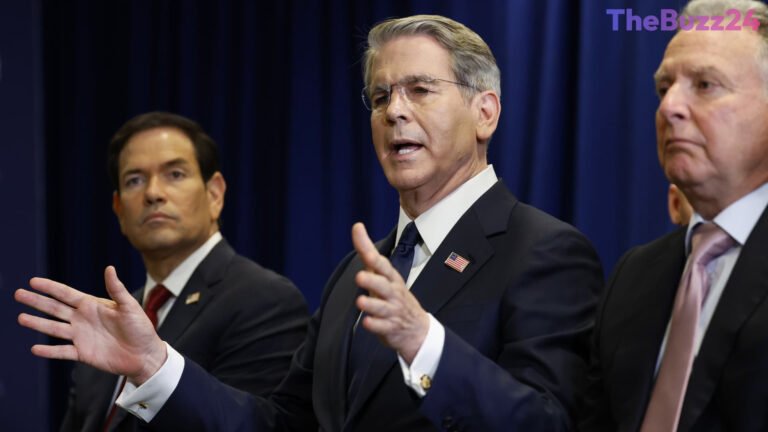
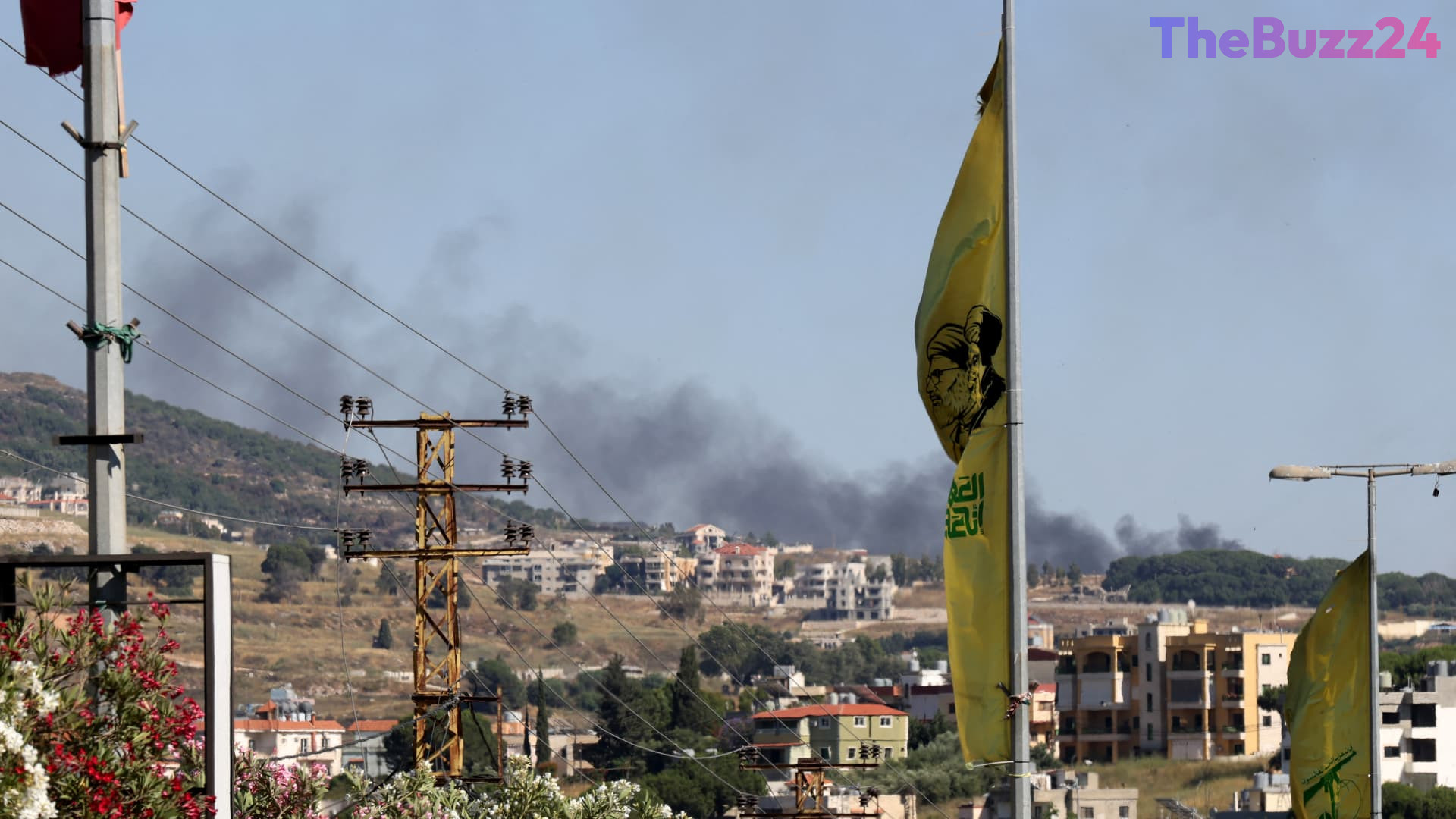
Despite the progress, the agreement faces political headwinds. Vice President JD Vance has publicly addressed concerns regarding the deal, clarifying that the United States is not providing direct funding to Tehran. He emphasized that any potential economic relief is strictly conditional, tied directly to Iran’s adherence to the specific terms outlined in the memorandum. Meanwhile, the broader regional landscape remains complex, as Israel—which is not a signatory to the deal—continues its separate military engagements, a factor that continues to influence the diplomatic environment surrounding these negotiations.
Key Takeaways
- The U.S. has ended its naval blockade of Iranian ports, allowing for the resumption of commercial shipping in the Strait of Hormuz.
- Saudi Arabian oil tankers have resumed transit through the Strait, signaling a return to more stable maritime trade.
- The U.S. administration has clarified that the agreement does not involve direct financial payments to Iran, with relief contingent on strict compliance.
Editor’s Analysis & Impact
The memorandum between the U.S. and Iran represents a high-stakes diplomatic maneuver aimed at stabilizing one of the world’s most volatile maritime chokepoints. By prioritizing the reopening of the Strait of Hormuz, the agreement addresses immediate global energy security concerns, which is likely to have a cooling effect on oil price volatility. However, the exclusion of Israel from the deal and the ongoing conflict with Hezbollah create a precarious environment. The future success of this accord depends heavily on the verification of Iran’s compliance and the ability of the U.S. to manage the divergent interests of its regional allies. If the agreement holds, it could pave the way for broader regional de-escalation; if it fails, the resulting power vacuum could lead to renewed instability and renewed pressure on global energy markets.
Frequently Asked Questions
Q: Does the new agreement provide direct financial aid to Iran?
A: No. According to U.S. officials, the agreement does not provide any direct funding to Iran, and any economic relief is strictly contingent upon Iran meeting its obligations under the memorandum.
Q: Is Israel a party to this new U.S.-Iran agreement?
A: No, Israel is not a party to the peace deal and continues to maintain its own separate military and diplomatic stance regarding regional security.
AI Disclosure: This article is based on verified data and official reports. Our Team and AI have cross-referenced every financial detail with primary sources to ensure total accuracy.
More from this Category