Minneapolis Fed Chief Neel Kashkari Warns Inflation Remains Elevated Despite Recent Cool Down
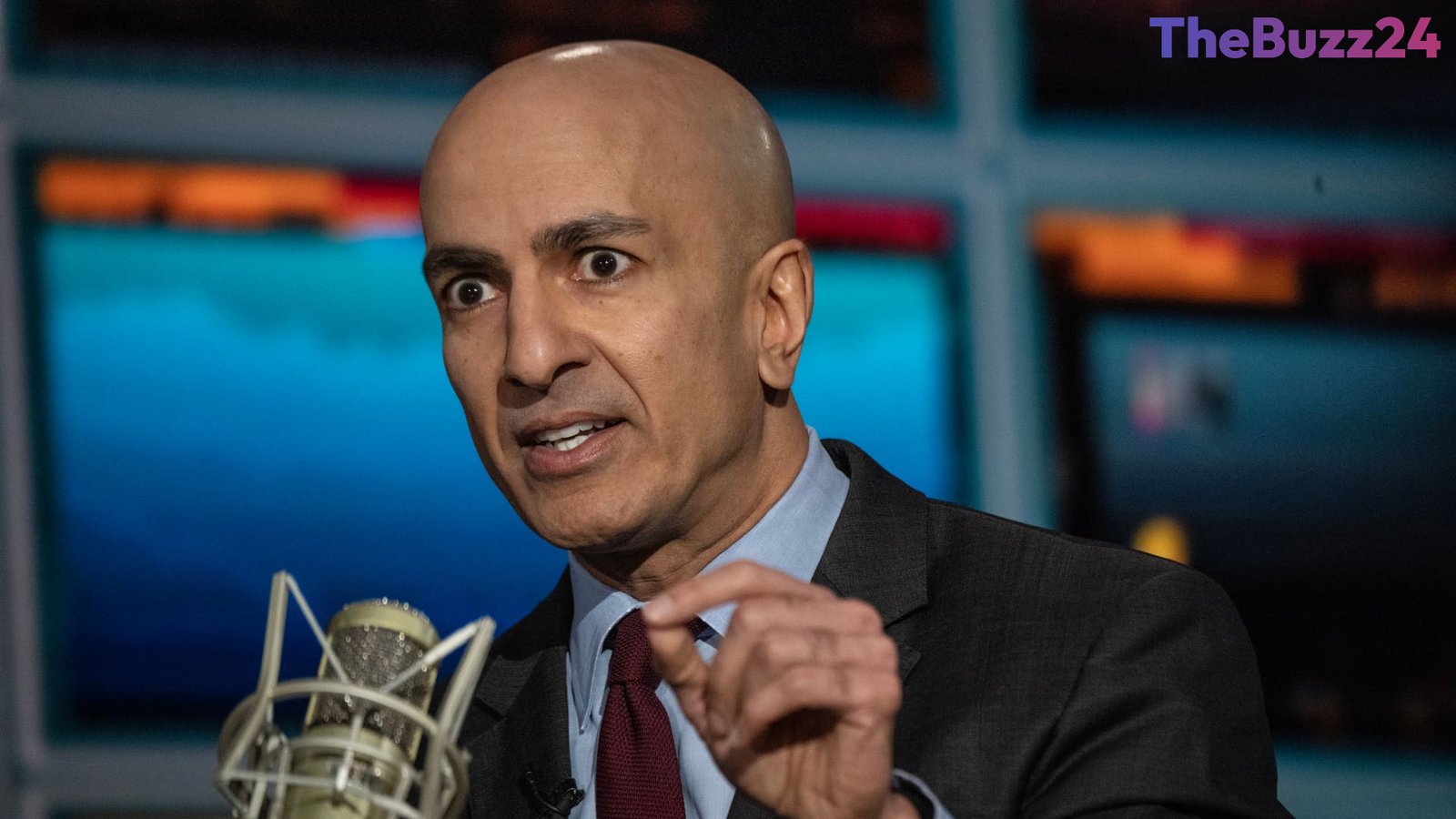
Minneapolis Federal Reserve President Neel Kashkari has emphasized that price growth continues to hover at concerning levels, despite the release of recent economic indicators showing a softer-than-expected rise in personal consumption expenditures. Speaking at a prominent financial event in New York, Kashkari pointed out that while short-term metrics show mild improvement, the broader multi-year trend still points toward uncomfortably high inflation.
The core personal consumption expenditures index recently registered an annual increase of approximately 3%, missing higher historical averages but remaining above the central bank’s ideal target. According to monetary policymakers, this sustained elevation, persisting for over half a decade, dictates a cautious approach to future interest rate adjustments. Meanwhile, broader economic sectors, including consumer spending and gross domestic product, continue to demonstrate robust resilience against past monetary tightening.
Beyond traditional economic metrics, Kashkari addressed the surging financial capital flowing into artificial intelligence infrastructure. While acknowledging the potential for revolutionary productivity gains if the technology matures successfully, he cautioned that over-allocation and delayed returns could trigger capital misallocation risks. As tighter monetary conditions force industries to re-evaluate spending efficiency, the broader financial impact of the artificial intelligence boom remains a critical variable for long-term economic stability.
Key Takeaways
- Minneapolis Fed President Neel Kashkari insists that inflation remains too high despite cooler recent data.
- The core personal consumption expenditures index recently hovered at an annual rate of 3%.
- Kashkari raised concerns about potential malinvestment in the artificial intelligence sector amid tighter monetary policy.
Editor’s Analysis & Impact
The commentary from high-ranking monetary officials highlights the delicate balancing act central banks face as they navigate persistent inflation alongside emerging technological booms. While artificial intelligence infrastructure investments are currently driving significant capital expenditure, the risk of malinvestment introduces a layer of unpredictability into future macroeconomic forecasts. If capital returns on AI fail to materialize as expected, markets could experience secondary corrections. Investors should closely monitor how monetary tightening interacts with heavy tech sector spending, as capital efficiency becomes increasingly paramount in a higher-interest-rate environment.
Frequently Asked Questions
Q: What did Neel Kashkari say about current inflation trends?
A: Kashkari stated that inflation remains too high, noting that although recent data showed a cooler reading, the broader trend has stayed elevated for over five years.
Q: What concerns did the Federal Reserve official raise regarding artificial intelligence?
A: He expressed worry that massive corporate investments in AI might not yield the expected productivity gains, potentially resulting in malinvestment and broader economic consequences.
Q: Why is the neutral funds rate estimate being reassessed?
A: The resilience of the economy and strong demand for investment capital—largely driven by the AI boom—have prompted policymakers to raise estimates for the neutral funds rate.
AI Disclosure: This article is based on verified data and official reports. Our Team and AI have cross-referenced every financial detail with primary sources to ensure total accuracy.
More from this Category