Mojtaba Khamenei Demands Vengeance for Father’s Killing, Threatening Fragile Gulf Peace
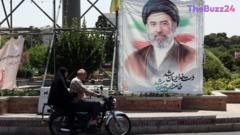
Iran’s newly positioned Supreme Leader, Ayatollah Mojtaba Khamenei, has issued a stern call for retribution following the death of his father and predecessor, Ali Khamenei. In his first public address since the elder Khamenei was buried in Mashhad, Mojtaba Khamenei declared that avenging his father’s death is the collective will of the Iranian nation. The former leader was killed in an airstrike on February 28, marking the onset of the devastating military conflict involving Iran, Israel, and the United States.
Rumors have circulated regarding Mojtaba Khamenei’s physical condition, as he has not made a public appearance since before the conflict began, with some speculating he was injured in the same strike that killed his father. Despite his absence, his written statement remained highly defiant, asserting that the mission to avenge the “martyred leader” does not depend on his personal survival. Meanwhile, public anger in Iran has intensified, with funeral attendees openly calling for the assassination of US President Donald Trump. In response, Trump issued a severe warning, stating that any such plot would result in the complete destruction of Iranian territories.
This escalating rhetoric comes at a highly volatile moment, following the collapse of a June ceasefire agreement. The truce dissolved after a series of attacks on commercial tankers navigating the strategic waters near Oman, which prompted heavy US retaliatory airstrikes that Iranian officials claim left 17 dead. While Washington has demanded that Tehran guarantee safe passage through the vital Strait of Hormuz and halt attacks on commercial shipping, Iranian representatives have reportedly characterized the tanker incidents as unauthorized actions by a rogue internal faction. Despite the official end of the ceasefire, international mediators continue efforts to bring both sides back to the negotiating table.
Key Takeaways
- Ayatollah Mojtaba Khamenei has vowed uncompromising revenge for the death of his father, Ali Khamenei, who was killed in a February airstrike.
- US President Donald Trump warned of total destruction for Iran if any assassination plots against him or US officials are carried out.
- A fragile June ceasefire has collapsed following tanker attacks in the Gulf and subsequent US retaliatory strikes, though backchannel diplomatic talks continue.
Editor’s Analysis & Impact
The collapse of the US-Iran ceasefire and the aggressive rhetoric from Iran’s new leadership signal a dangerous phase in Middle Eastern geopolitics. Mojtaba Khamenei’s call for vengeance, coupled with threats against President Trump, severely complicates diplomatic backchannels. The primary economic risk lies in the Strait of Hormuz, a chokepoint responsible for a significant portion of the world’s daily oil transit. Continued instability and tanker attacks will likely drive up maritime insurance premiums and trigger volatility in global energy markets. While both sides claim a willingness to negotiate through mediators, the domestic political pressure on both Washington and Tehran makes a formal diplomatic breakthrough highly unlikely in the near term. Instead, a war of attrition characterized by proxy strikes and economic disruption is the most probable outlook.
Frequently Asked Questions
Q: Who is Mojtaba Khamenei and what is his current status?
A: Mojtaba Khamenei is the son of the late Ali Khamenei and has assumed the role of Iran's Supreme Leader. He has not been seen in public since before the outbreak of the war, leading to unconfirmed rumors that he may have been injured or disfigured in the airstrike that killed his father.
Q: Why did the recent ceasefire between the US and Iran collapse?
A: The June ceasefire collapsed after three commercial tankers were attacked in Omani waters. The US responded with airstrikes that killed 17 people, prompting retaliatory strikes from Iran and leading President Donald Trump to declare the truce officially over.
Q: What is the significance of the Strait of Hormuz in this conflict?
A: The Strait of Hormuz is a vital global shipping route for oil and cargo. The US is demanding that Iran guarantee the strait remains open and safe for commercial vessels, while Iran has historically used its control over these waters as geopolitical leverage.
AI Disclosure: This article is based on verified data and official reports. Our Team and AI have cross-referenced every financial detail with primary sources to ensure total accuracy.
More from this Category