Morocco’s Parliamentary Elections: A Nation at a Crossroads
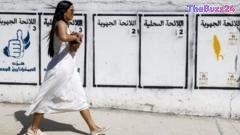
As Morocco heads to the polls for its latest parliamentary elections, the political landscape is defined by a stark divide between established power structures and a disillusioned younger generation. With over half of the population under the age of 35, the campaign has been marked by viral football-themed slogans, ambitious job creation promises, and intense debates over the country’s diplomatic stance toward Israel. Despite these efforts, many voters remain skeptical, viewing the political process as disconnected from the harsh economic realities facing the youth.
The election follows a period of significant social unrest, including widespread protests in 2025 regarding unemployment, healthcare, and the rising cost of living. These tensions were further highlighted by a mass migration event in late July, where thousands of people attempted to cross into the Spanish enclave of Ceuta, resulting in a tragic loss of life. For many young activists, this exodus serves as a grim indicator of the lack of domestic opportunity, prompting some to bypass traditional protest methods in favor of entering the political arena to advocate for systemic change from within.
Political heavyweights are leveraging diverse strategies to capture the electorate. Fouzi Lekjaa, head of the Royal Moroccan Football Federation, has emerged as a prominent figure, utilizing the popularity of the national football team to energize voters. Meanwhile, the Islamist Justice and Development Party (PJD) is attempting a political comeback by campaigning on a platform to sever diplomatic ties with Israel, tapping into public sentiment following the recent Gaza conflict. Despite these competing agendas, critics argue that the major parties lack a truly alternative vision, as executive power remains firmly anchored to the monarchy.
As the nation prepares to cast its ballots, the focus remains on whether these elections can bridge the gap between the state’s long-term policy goals and the immediate needs of its citizens. While some young candidates are playing the long game, aiming to build a foundation for future political influence by 2031, others remain unconvinced that the current electoral framework can deliver the dignity and social justice demanded by the youth movement.
Key Takeaways
- Morocco's youth are increasingly disillusioned with traditional politics, citing high unemployment rates and a lack of economic opportunity as primary drivers for social unrest.
- The election campaign features a mix of populist rhetoric, including promises of one million new jobs and anti-Israel sentiment, alongside the influence of national football culture.
- While some young activists are running for office to secure a long-term voice in parliament, critics note that major political parties remain constrained by the overarching authority of the monarchy.
Editor’s Analysis & Impact
The Moroccan parliamentary elections highlight a critical tension between a youthful, digitally-engaged population and a rigid political establishment. The market impact of these elections is likely to be muted in the short term, as major policy directions are dictated by the monarchy rather than the legislative body. However, the long-term outlook depends on the government’s ability to address structural unemployment, which currently sits at over 37% for the 15-24 age demographic. If the state fails to integrate this demographic into the formal economy, the risk of further social instability and migration crises will persist. Investors and international observers should monitor whether the government can move beyond ‘one million jobs’ slogans toward sustainable economic reforms that satisfy a generation increasingly vocal about its demands for social justice and improved living standards.
Frequently Asked Questions
Q: What is the primary role of the Moroccan parliament?
A: The Moroccan parliament consists of 395 seats in the House of Representatives. While it is the legislative chamber, executive power is closely tied to the crown, with the King appointing the prime minister and presiding over the Council of Ministers.
Q: Why is the issue of migration to Ceuta relevant to the election?
A: The mass migration to the Spanish enclave of Ceuta is viewed by many as a symptom of deep-seated economic hardship and youth unemployment, making it a central topic for voters who feel the current government has failed to provide sufficient opportunities at home.
AI Disclosure: This article is based on verified data and official reports. Our Team and AI have cross-referenced every financial detail with primary sources to ensure total accuracy.
More from this Category