Inside the OpenAI Rift: Sam Altman Reveals Tensions Over Control and Culture
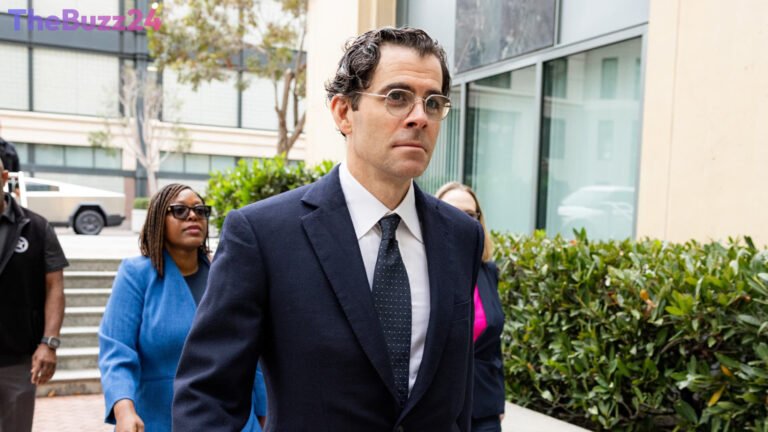
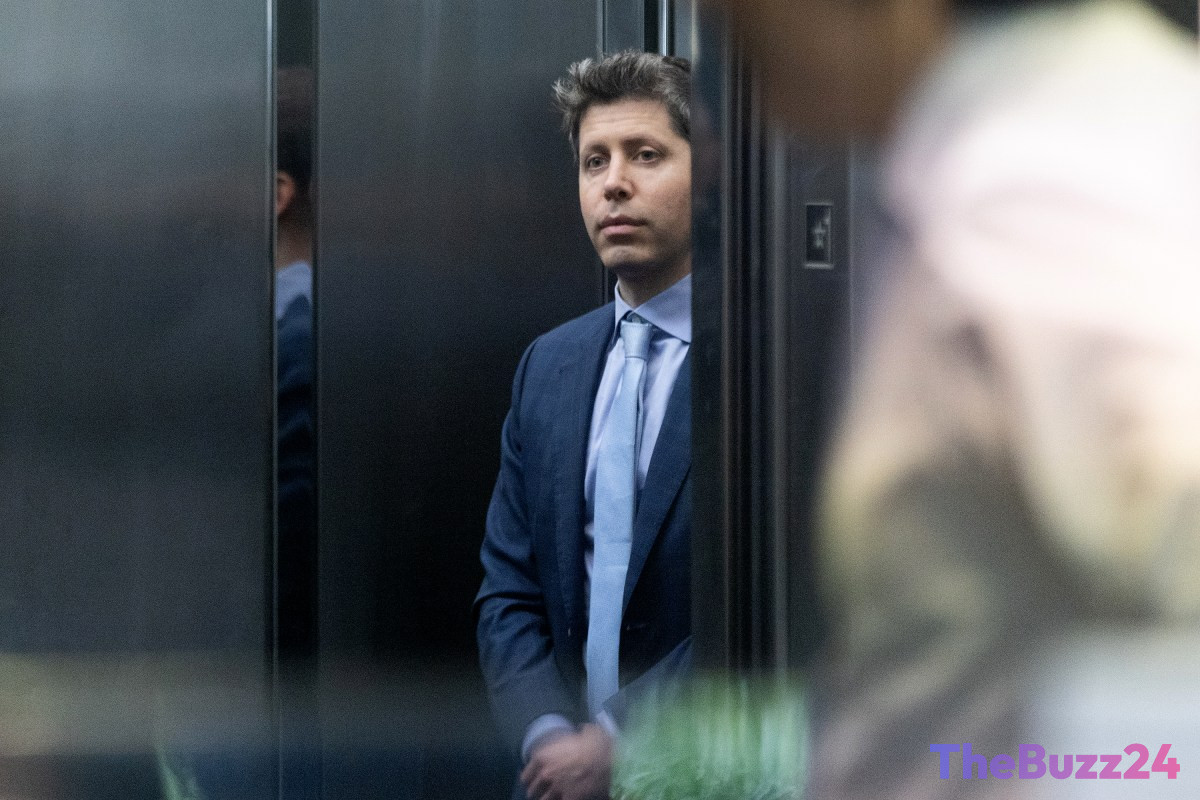
OpenAI CEO Sam Altman has provided detailed testimony regarding the ongoing legal conflict with co-founder Elon Musk, directly addressing accusations that the company’s shift toward a for-profit structure violated its original non-profit mission. During the proceedings, Altman defended the organization’s current trajectory, asserting that it continues to function as a major charitable entity with the potential for significant global influence. Board Chair Bret Taylor corroborated this perspective, noting that the timeline for staffing the foundation was influenced by the intricate process of restructuring equity assets.
The testimony offered a rare glimpse into the early philosophical disagreements that plagued the company’s leadership, specifically regarding the governance of artificial intelligence. Altman recalled a 2017 conversation in which Musk allegedly proposed that control of the company should be passed to his children in the event of his death. This suggestion reportedly caused significant alarm among other leaders, who were committed to ensuring that the development of powerful AI remained independent of any single individual’s personal control.
Beyond governance, Altman highlighted deep-seated cultural friction that arose during Musk’s tenure. He characterized Musk’s management style as fundamentally incompatible with the collaborative environment necessary for a high-level research laboratory. Altman specifically cited a directive from Musk that required researchers to be stack-ranked and culled, a practice he argued severely damaged team morale and cohesion. He framed his own leadership role as a defense of the contributions made by co-founders Greg Brockman and Ilya Sutskever during the company’s formative years.
While Musk eventually departed to pursue his own AI ventures, Altman noted that professional communication between the parties continued for a period. OpenAI’s legal team maintains that Musk was kept apprised of the company’s strategic pivots, including its financial partnership with Microsoft. The ongoing legal battle highlights a core ideological divide between Musk’s preference for centralized control and the current leadership’s commitment to a distributed, research-centric organizational model.
Key Takeaways
- Sam Altman testified that early leadership was concerned by Elon Musk's desire to maintain personal control over OpenAI's technology.
- Altman criticized Musk’s management tactics, specifically the use of stack-ranking, which he claimed harmed team morale.
- OpenAI maintains that Musk was fully informed of the company's strategic shifts and its financial relationship with Microsoft.
Editor’s Analysis & Impact
The legal battle between OpenAI and Elon Musk represents more than a simple contract dispute; it is a fundamental clash over the future of artificial intelligence governance. By bringing these internal conflicts into the public sphere, the testimony underscores the high stakes involved in the development of AGI (Artificial General Intelligence). The industry is currently watching closely, as the outcome could set a precedent for how non-profit-to-for-profit transitions are handled in the tech sector. Furthermore, the revelation of Musk’s desire for personal control versus the board’s preference for a distributed model highlights the ongoing tension between centralized corporate power and the open-research ethos that originally defined the AI movement. As OpenAI continues to scale, these historical governance questions will likely remain a focal point for regulators and investors alike.
Frequently Asked Questions
Q: Why did Sam Altman and Elon Musk clash over OpenAI's structure?
A: The conflict stems from a disagreement over the company's transition to a for-profit model, which Musk argues violates the original non-profit mission, while Altman maintains it is necessary to fund the massive resources required for AI development.
Q: What was the specific management practice Altman criticized?
A: Altman criticized Musk's implementation of 'stack-ranking,' a performance management system that requires employees to be ranked against one another and often results in the termination of the lowest performers, which Altman claimed destroyed team cohesion.
AI Disclosure: This article is based on verified data and official reports. Our Team and AI have cross-referenced every financial detail with primary sources to ensure total accuracy.
More from this Category