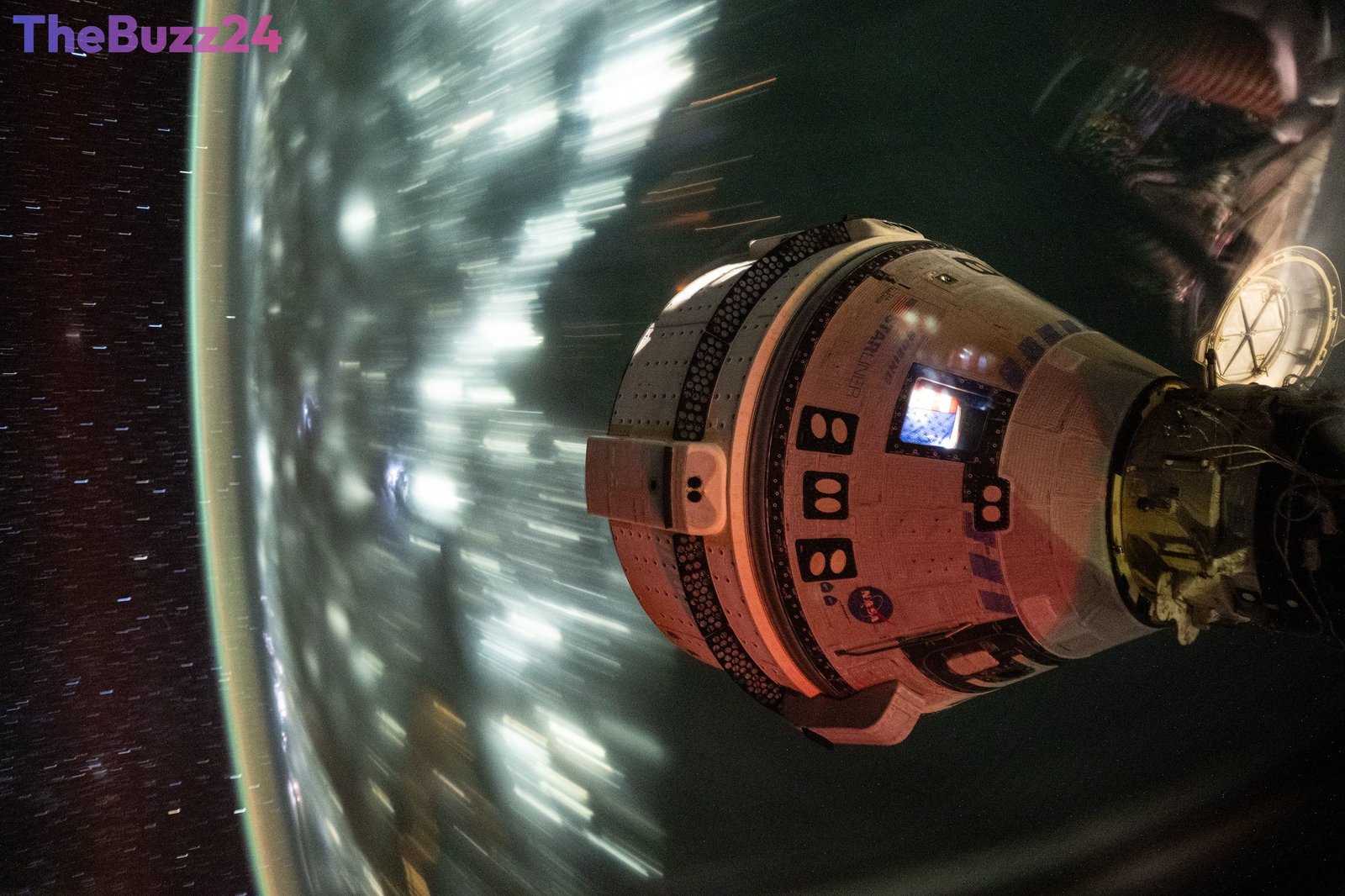
NASA and Boeing Chart New Course for Starliner: More Missions, New Rocket Certification Ahead
NASA and Boeing are charting a path forward for the Starliner spacecraft, announcing plans for additional crewed missions to the International Space Station (ISS) and the certification of a new rocket for future spaceflights. This strategic update follows a period of intensive review and modification of the Starliner program.
NASA Administrator Jared Isaacman highlighted the current era as a “most exciting era of space exploration since Apollo,” emphasizing the growing need for diverse launch vehicles and spacecraft. He reaffirmed NASA’s commitment to fostering multiple crew transportation options, a cornerstone of the Commercial Crew Program. “We have worked closely with Boeing to address the issues identified on previous Starliner flights, and we intend to see this vehicle return to flight in support of the International Space Station and future commercial destinations,” Isaacman stated.
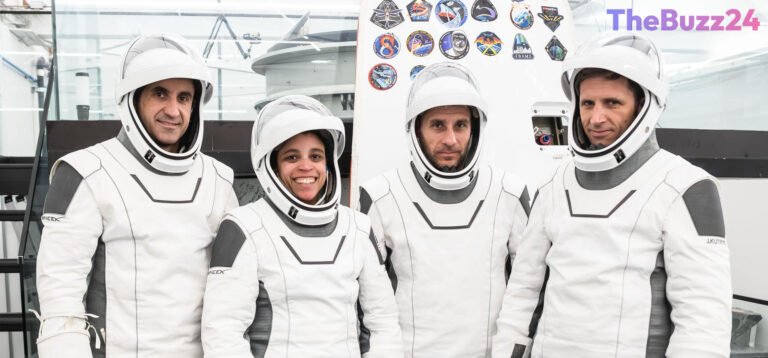
The agency plans to exercise options for two additional flights, bringing the total to six, using the Starliner. Concurrently, efforts will focus on certifying the Vulcan rocket, developed by United Launch Alliance, for crewed transportation to low Earth orbit, marking a transition from the aging Atlas V rocket. The initial step involves an uncrewed Starliner-1 mission, slated for potential launch in December of this year or January 2027. This mission is designed to validate improvements made to the spacecraft, particularly addressing issues identified during the 2024 Crew Flight Test, and to gather crucial flight data before astronauts return to the capsule, with a target of Starliner-2 by 2028.
An extensive investigation into the 2024 Crew Flight Test identified 61 recommendations to enhance Starliner’s reliability. Key among these were modifications to the service module’s reaction control thrusters, which experienced performance anomalies due to thermal environments and design features. Boeing has implemented thermal modifications and, in collaboration with NASA, will incorporate an additional thruster valve design modification. Further enhancements include new crew module thrusters, upgraded batteries, and refinements to the parachute system to ensure robust performance and reliability for future crewed missions.
Key Takeaways
- NASA and Boeing are planning two additional Starliner missions to the ISS, bringing the total to six.
- The Vulcan rocket will be certified for crewed flights, transitioning from the Atlas V.
- An uncrewed Starliner-1 mission will precede the return of astronauts, aiming for a 2028 crewed flight.
Editor’s Analysis & Impact
The renewed commitment to the Starliner program signifies a critical step in NASA’s strategy to ensure robust commercial crew transportation capabilities. By addressing the technical challenges identified in previous flights and planning for additional missions, NASA and Boeing are working to solidify Starliner’s role alongside SpaceX’s Crew Dragon. The certification of the Vulcan rocket also represents a forward-looking move, diversifying launch options for future space endeavors. This dual focus on vehicle improvement and infrastructure expansion is essential for the sustained operation of the ISS and the burgeoning commercial space economy, underscoring the importance of redundancy and innovation in human spaceflight.
Frequently Asked Questions
Q: What were the main issues identified with the Starliner during its Crew Flight Test?
A: The investigation identified issues primarily with the service module's reaction control thrusters operating outside their qualified parameters, leading to a loss of control. This was attributed to a combination of the thermal environment and inherent design features.
Q: When is the uncrewed Starliner-1 mission expected to launch?
A: The uncrewed Starliner-1 mission is tentatively scheduled for December of this year or January 2027, serving as a crucial engineering evaluation before crewed flights resume.
Q: What is the significance of certifying the Vulcan rocket?
A: Certifying the Vulcan rocket for crewed transportation marks a significant step in diversifying NASA's launch capabilities beyond the Atlas V, ensuring continued access to space as the agency transitions to new launch vehicles.
AI Disclosure: This article is based on verified data and official reports. Our Team and AI have cross-referenced every financial detail with primary sources to ensure total accuracy.
More from this Category