NASA and Industry Partners Accelerate Advanced Composite Manufacturing for Future Aircraft
NASA’s Hi-Rate Composite Aircraft Manufacturing (HiCAM) project recently convened its consortium partners for a significant review focused on advancing composite material production for future aircraft. The gathering, held at NASA’s Langley Research Center in Hampton, Virginia, brought together approximately 150 experts from a 22-member public-private partnership.
The three-day event, which took place from May 5-7, served as a crucial platform for NASA and its industry collaborators to assess recent achievements and strategize for upcoming phases. During the review, key technological advancements poised to significantly boost manufacturing rates for upcoming aircraft programs were identified. Participants delved into the latest findings from the project’s Development Phase and initiated discussions on the early stages of Phase 2, the Demonstration Phase, which aims to scale up critical manufacturing technologies.
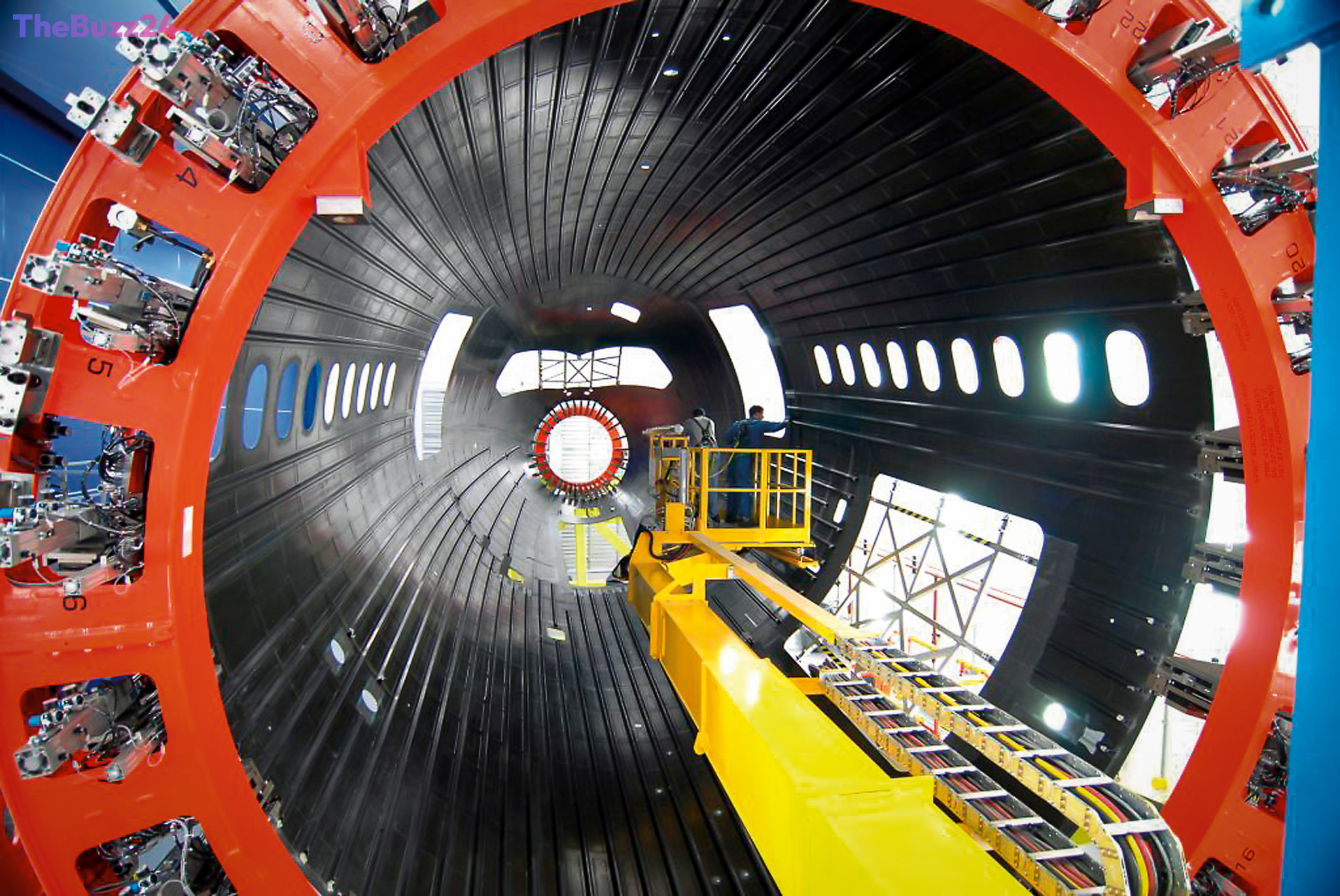
A central focus of the review involved intensive, full-day workshops dedicated to assembly demonstrations of large aircraft components, specifically wing and fuselage structures. These sessions fostered robust collaboration between NASA researchers, industry engineers, and consortium partners, facilitating the exchange of vital updates, innovative ideas, and long-term strategic planning. A notable outcome was the observed enhancement in cross-group collaboration and coordination among the teams.
This strengthened partnership is instrumental in driving HiCAM’s ambitious goals, which include large-scale manufacturing demonstrations of composite fuselage barrels and wing boxes scheduled for 2028 and 2029. These upcoming demonstrations are considered major project milestones, intended to showcase the potential of advanced composite materials and manufacturing processes to enable faster, more cost-effective aircraft production. The ongoing progress signifies a commitment to developing novel manufacturing methods for lightweight composite structures, ultimately contributing to the creation of more easily built and operationally efficient future aircraft.
Key Takeaways
- NASA's HiCAM project held a review with 150 partners to assess progress in advanced composite manufacturing for future aircraft.
- The project is progressing towards large-scale demonstrations of composite wing and fuselage structures in 2028-2029.
- The initiative aims to accelerate production, reduce costs, and improve the efficiency of future aircraft through advanced materials and processes.
Editor’s Analysis & Impact
The collaborative efforts between NASA and its industry partners under the HiCAM project highlight a strategic push towards modernizing aircraft manufacturing. By focusing on advanced composite materials, the initiative addresses the growing demand for lighter, more fuel-efficient, and cost-effective aircraft. The planned large-scale demonstrations in 2028-2029 are critical inflection points that could validate these advanced manufacturing techniques. Success in this area has the potential to significantly disrupt the aerospace industry, leading to faster production cycles, reduced operational costs for airlines, and the development of next-generation aircraft designs. This focus on manufacturing innovation is crucial for maintaining a competitive edge in the global aerospace market.
Frequently Asked Questions
Q: What is the Hi-Rate Composite Aircraft Manufacturing (HiCAM) project?
A: HiCAM is a project led by NASA, involving a public-private partnership, aimed at accelerating the manufacturing processes for advanced composite materials used in aircraft construction. Its goal is to enable faster, lower-cost production of future aircraft.
Q: What are the key milestones for the HiCAM project?
A: Key milestones include large-scale manufacturing demonstrations of a composite fuselage barrel and wing box, scheduled for 2028 and 2029, respectively. These demonstrations will showcase the viability of advanced composite technologies.
Q: Why are composite materials important for future aircraft?
A: Composite materials are lighter and stronger than traditional materials, leading to more fuel-efficient aircraft that are easier to build and operate. They enable innovative designs and improved performance.
AI Disclosure: This article is based on verified data and official reports. Our Team and AI have cross-referenced every financial detail with primary sources to ensure total accuracy.
More from this Category