Wildfire Smoke Erasing Decades of Progress in U.S. Air Quality, Study Reveals
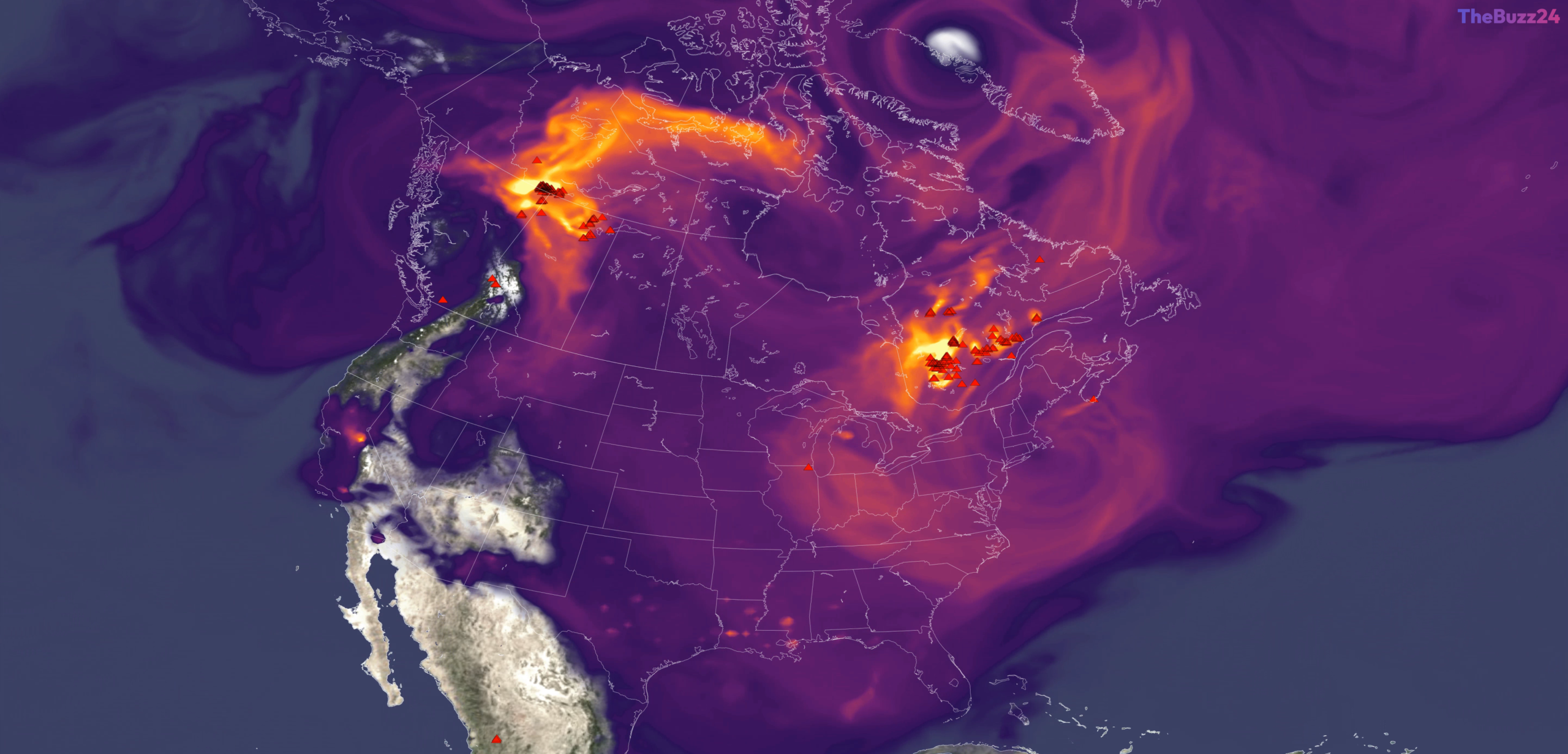
A groundbreaking study has revealed that escalating wildfire activity over the past decade is severely undermining efforts to clean up air pollution across the United States. Published in the journal Science, the research highlights how wildfire smoke has become a dominant driver of ground-level ozone, commonly known as smog. This surge in fire-related pollution has effectively wiped out nearly four years of hard-won national progress in ozone reduction, with the Midwest and Western regions experiencing the most severe setbacks.
While wildfire smoke is widely recognized for its visible soot and ash, it also carries invisible gases like carbon monoxide. When these precursor emissions drift downwind and react with sunlight and other atmospheric pollutants, they generate ground-level ozone. Unlike the protective ozone layer high in the stratosphere, surface-level ozone is a toxic pollutant that irritates human lungs, exacerbates respiratory illnesses like asthma, and damages agricultural crops. Because these chemical reactions occur as smoke plumes travel, communities thousands of miles away from active flames are frequently exposed to hazardous air.
To map this invisible threat, researchers utilized advanced deep learning algorithms to analyze a massive dataset spanning from 2003 to 2024. By integrating data from over 1,000 ground-monitoring stations with satellite observations from instruments like MODIS and VIIRS, the team created a high-resolution, kilometer-by-kilometer grid of daily ozone levels across the contiguous U.S. The analysis showed a clear dividing line: while U.S. ozone levels steadily declined between 2003 and 2015 due to stricter emissions regulations, those environmental gains have since stalled or reversed, primarily due to the intensifying wildfire seasons.
The health consequences of this trend are profound. The study estimates that long-term exposure to wildfire-induced ozone has led to an average of 318 additional premature deaths per year in the U.S. since 2013—a 46% increase compared to the previous decade. Furthermore, between 2022 and 2024, smoke-driven ozone exposed an additional 43 million Americans to air quality that failed to meet federal safety standards. To combat this growing public health crisis, scientists are leveraging cutting-edge tools like the TEMPO satellite, which provides hourly daytime air quality tracking, and the FireAQ system, designed to help local officials forecast and prepare for incoming smoke plumes.
Key Takeaways
- Wildfires have erased approximately four years of national progress in reducing ground-level ozone, with the Midwest losing over five years of air quality gains.
- Invisible gases in wildfire smoke, such as carbon monoxide, react with sunlight to form toxic ground-level ozone that can travel thousands of miles to affect distant communities.
- The rise in wildfire-related ozone has led to an estimated 46% increase in associated premature deaths annually since 2013, exposing an extra 43 million Americans to substandard air between 2022 and 2024.
Editor’s Analysis & Impact
This study underscores a critical shift in environmental management: traditional regulatory frameworks targeting industrial and vehicular emissions are no longer sufficient to guarantee clean air. As climate change drives longer, more intense wildfire seasons, the resulting transboundary pollution presents a complex challenge for public health officials and environmental agencies. From an economic perspective, the rise in ground-level ozone will likely drive up healthcare costs related to respiratory illnesses and reduce agricultural yields, impacting the insurance and farming sectors. Moving forward, the integration of AI and real-time satellite monitoring, such as NASA’s TEMPO mission, will be vital. Industries and municipalities must adapt by investing in advanced air filtration systems and predictive public health alert networks to mitigate the inevitable economic and societal impacts of a smoke-filled future.
Frequently Asked Questions
Q: How does wildfire smoke create ground-level ozone?
A: Wildfire smoke contains precursor gases like carbon monoxide and nitrogen oxides. When these gases drift downwind and mix with other pollutants in the presence of sunlight, they undergo chemical reactions that produce ground-level ozone, or smog.
Q: Why is ground-level ozone dangerous to human health?
A: Unlike the protective ozone layer high in the atmosphere, ground-level ozone is a harmful pollutant. Breathing it in can irritate the lungs, worsen respiratory conditions such as asthma and bronchitis, and increase the risk of premature death, particularly among vulnerable populations like children and the elderly.
Q: How did researchers track this pollution across the United States?
A: Scientists used deep learning artificial intelligence to analyze data from 2003 to 2024. They combined information from approximately 1,000 ground-based air monitoring stations with satellite data from instruments like MODIS and VIIRS to map daily ozone levels on a highly detailed grid.
AI Disclosure: This article is based on verified data and official reports. Our Team and AI have cross-referenced every financial detail with primary sources to ensure total accuracy.
More from this Category