NASA Launches $25,000 Data Challenge to Analyze Artemis II Astronaut Health Metrics
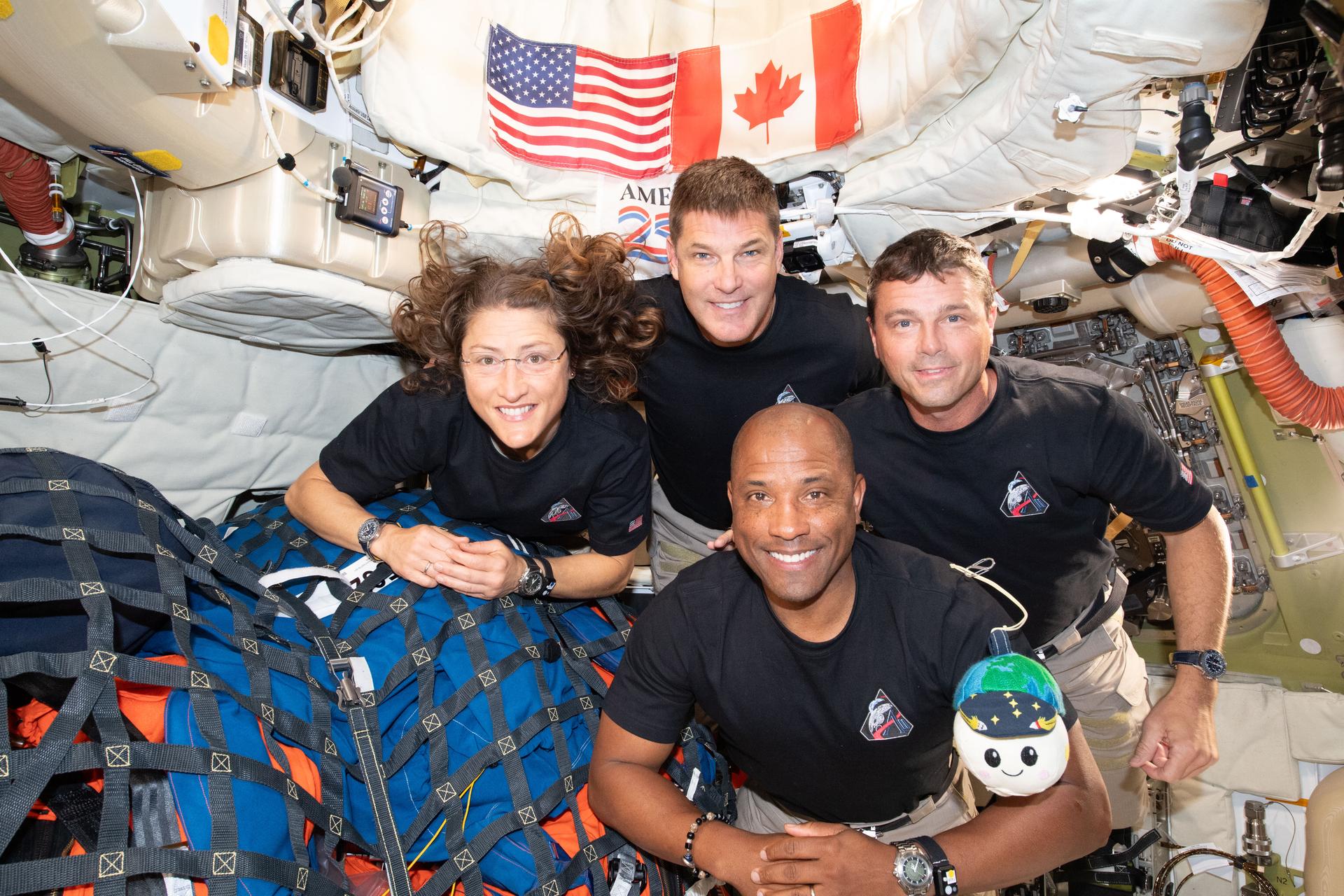
As the historic Artemis II mission nears its conclusion, scientists are preparing to tackle a massive wave of biological and physiological data collected during the journey. The crew—consisting of Commander Reid Wiseman, Pilot Victor Glover, and Mission Specialists Christina Koch and Jeremy Hansen—recently completed a historic flyby of the far side of the Moon, marking humanity’s first deep-space voyage since the Apollo era. With their Orion spacecraft currently on a trajectory back to Earth for a scheduled splashdown in the Pacific Ocean, attention is shifting to the critical health data gathered during their transit through the deep-space environment.
To maximize the scientific value of this mission, the Human Research Program has launched the Artemis II Human Research Data Methodology Challenge. This global competition offers a total prize pool of $25,000 to researchers and data scientists who can develop innovative analytical frameworks to interpret the crew’s physiological metrics. The challenge officially opened for submissions on March 30, 2026, and will remain open to applicants until June 5, 2026.
Analyzing this dataset presents a unique scientific hurdle. While the data is incredibly comprehensive—spanning multiple physiological systems, biological modalities, and time points—the sample size is limited to just the four crew members. Standard statistical models are rarely optimized for such small, highly complex cohorts. By crowdsourcing new methodologies, researchers hope to unlock deeper insights into how the human body adapts to space radiation, deep-space isolation, and the physical demands of lunar transit, ultimately paving the way for future long-duration missions to Mars.
Key Takeaways
- The Artemis II crew is returning to Earth after completing the first crewed lunar flyby in over half a century.
- A $25,000 methodology challenge has been launched to crowdsource innovative ways to analyze the crew's complex health data.
- The initiative aims to overcome the statistical limitations of analyzing a highly detailed dataset with a sample size of only four astronauts.
Editor’s Analysis & Impact
The Artemis II mission represents a monumental leap forward for deep-space medicine. For decades, human spaceflight data has been heavily concentrated in low Earth orbit environments, such as the International Space Station. Transitioning to deep space introduces novel stressors, including high-energy cosmic radiation and profound psychological isolation. However, the primary bottleneck in space medicine has always been the extremely small sample size of astronaut cohorts. By crowdsourcing analytical methodologies through this $25,000 challenge, the scientific community can pioneer advanced statistical and machine learning techniques tailored for ‘small data’ environments. These breakthroughs will not only safeguard future astronauts on multi-year journeys to Mars but could also translate into personalized medicine advancements on Earth, where clinical trials for rare diseases face similar small-cohort limitations.
Frequently Asked Questions
Q: What is the goal of the Artemis II Human Research Data Methodology Challenge?
A: The challenge seeks to find innovative analytical methods to interpret complex, multi-system physiological data collected from the four Artemis II crew members during their deep-space mission.
Q: What are the key dates and prizes for this competition?
A: The challenge opened on March 30, 2026, and submissions will close on June 5, 2026. A total prize pool of $25,000 is available for winning solutions.
Q: Why is analyzing the Artemis II data so challenging for scientists?
A: While the dataset is incredibly rich, spanning multiple physiological systems and time points, it only features a sample size of four individuals, making traditional large-scale statistical analysis difficult.
AI Disclosure: This article is based on verified data and official reports. Our Team and AI have cross-referenced every financial detail with primary sources to ensure total accuracy.
More from this Category