NASA Cultivates Future Space Diets with Strawberries, Cucumbers, and Basil
As NASA gears up for ambitious journeys to the Moon and Mars, the agency is actively researching crops that could sustain astronauts with fresh, nutritious food far from Earth. This focus on dietary variety is particularly relevant as space missions extend into deeper reaches of the cosmos, offering a welcome change from pre-packaged meals.
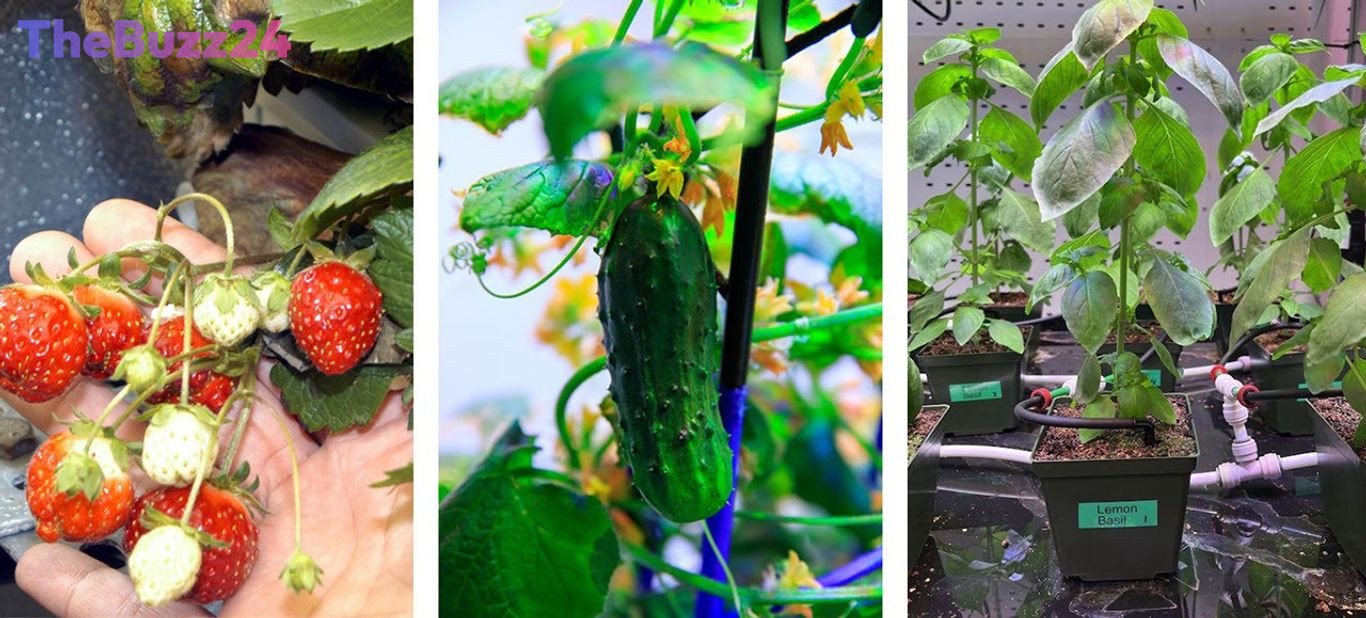
Recent evaluations highlight strawberries, cucumbers, and lemon basil as prime candidates for cultivation in space. Beyond providing essential sustenance, these plants offer vital ecological benefits within a spacecraft or habitat, including absorbing carbon dioxide, generating oxygen, and recycling water. These functions will become increasingly critical for the long-term viability of crewed missions.
Advancements in space agriculture are not confined to Earth-based laboratories. A new investigation is slated for the International Space Station, featuring a prototype growth chamber designed to gather crucial data for developing robust crop production systems. These systems are intended to support future lunar bases and Martian expeditions, paving the way for self-sufficient food sources.
Among the promising crops, strawberries stand out due to their nutritional value, aroma, and self-pollinating nature. NASA researchers are rigorously testing them in controlled environments that simulate space conditions. While a wild strawberry variety showed a higher yield in early tests, the ‘Delizz’ cultivar was ultimately favored for its more manageable growth habit, avoiding excessive runner production that could consume valuable spacecraft real estate.
Cucumbers, a potential first from the gourd family to be grown in space, are also showing significant promise. Despite some minor leaf enlargement observed under simulated spaceflight conditions, the plants have demonstrated a consistent ability to produce edible fruit. The inclusion of diverse crops like cucumbers not only enhances astronaut diets and morale but also bolsters plant biodiversity, a key factor for agricultural success on extended missions.
To combat the monotony of space rations, herbs like lemon basil are being explored for their ability to enhance meal flavors. Having successfully passed initial testing and seed sanitization protocols, lemon basil is progressing towards evaluation in specialized plant pillows aboard the space station. The introduction of fresh herbs can significantly improve the culinary experience for astronauts, contributing to their overall health and performance.
Key Takeaways
- NASA is researching strawberries, cucumbers, and lemon basil as potential food sources for future Moon and Mars missions.
- These crops offer benefits beyond nutrition, including oxygen production, carbon dioxide absorption, and water recycling.
- A new prototype growth chamber will launch to the ISS to gather data for advanced space crop production systems.
Editor’s Analysis & Impact
The development of space-based agriculture is a critical component of NASA’s long-term exploration goals. By identifying and cultivating crops like strawberries, cucumbers, and lemon basil, the agency is addressing the fundamental need for sustainable food sources on extended missions. This research not only supports astronaut health and well-being by providing fresh produce and dietary variety but also contributes to life support systems through oxygen generation and water recycling. The successful implementation of these technologies could significantly reduce mission costs and complexity by minimizing reliance on resupply missions, paving the way for more ambitious and prolonged human presence beyond Earth.
Frequently Asked Questions
Q: Why is NASA researching crops for space missions?
A: NASA is researching crops to provide astronauts with fresh food, nutrition, and variety during long-duration missions to the Moon and Mars, reducing reliance on pre-packaged meals and contributing to life support systems.
Q: What are the main benefits of growing crops in space?
A: Growing crops in space provides astronauts with essential nutrients and improves morale through dietary variety. Additionally, plants absorb carbon dioxide, produce oxygen, and can help recycle water, contributing to a more sustainable environment within spacecraft or habitats.
Q: Which crops are currently being tested by NASA for space cultivation?
A: Current testing focuses on strawberries, cucumbers, and lemon basil, with each showing unique promise for growth, nutritional value, and adaptability to controlled space environments.
AI Disclosure: This article is based on verified data and official reports. Our Team and AI have cross-referenced every financial detail with primary sources to ensure total accuracy.
More from this Category