Nvidia Faces Potential Credit Downgrade Amid Governance and Succession Concerns
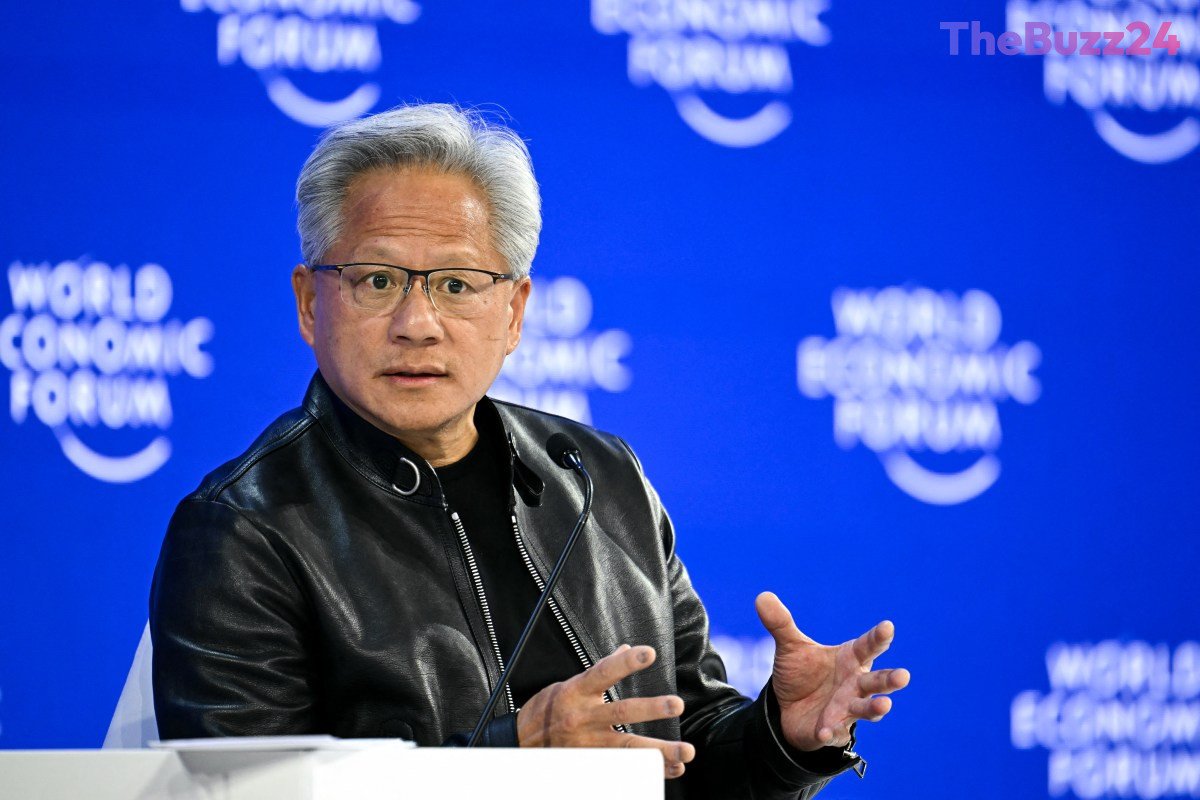
S&P Global Ratings has placed Nvidia under review for a potential credit rating downgrade, citing significant concerns regarding the company’s internal governance and management structure. While the semiconductor giant continues to demonstrate robust financial performance, the agency is scrutinizing the recent leadership volatility surrounding CEO Jensen Huang. The review focuses on what analysts describe as weak executive oversight and a lack of a clear succession plan, which creates a substantial ‘key man risk’ for the organization.
The credit rating agency expects to conclude its assessment within the next 90 days. A potential downgrade from the current AA rating to AA- would still leave Nvidia within investment-grade territory; however, the move could lead to increased borrowing costs for the firm. This shift is particularly sensitive given Nvidia’s role in backstopping various AI infrastructure projects and neocloud companies that rely on the chipmaker’s strong credit profile to secure their own financing.
Financial implications are already surfacing regarding Nvidia’s ambitious plans to facilitate $500 billion in AI infrastructure financing. With major institutions like Goldman Sachs, Apollo, and Blackstone involved, lenders have reportedly been pushing for higher guarantee requirements from Nvidia. A credit downgrade would likely exacerbate these demands, forcing the company to provide larger guarantees or additional collateral to satisfy its financial partners, potentially impacting its capital allocation strategy.
Key Takeaways
- S&P Global Ratings is reviewing Nvidia for a potential credit downgrade from AA to AA- due to governance and succession planning concerns.
- The 'key man risk' associated with CEO Jensen Huang has become a focal point for credit analysts following recent leadership instability.
- A lower credit rating could increase borrowing costs for Nvidia and force the company to provide larger financial guarantees for its $500 billion AI infrastructure initiatives.
Editor’s Analysis & Impact
The potential downgrade of Nvidia serves as a stark reminder that even the most dominant players in the AI sector are not immune to traditional corporate governance scrutiny. While Nvidia’s market capitalization is driven by its technological lead and demand for GPUs, credit agencies are increasingly focused on the sustainability of its leadership model. The ‘key man risk’ is particularly acute here, as the company’s strategy is deeply intertwined with Jensen Huang’s vision. If the downgrade proceeds, it could signal a shift in how institutional lenders view the risk profile of AI-heavy balance sheets. Moving forward, Nvidia will likely need to formalize its succession planning and improve transparency in its executive oversight to appease credit agencies and maintain its favorable borrowing terms, which are essential for its massive infrastructure financing commitments.
Frequently Asked Questions
Q: What is 'key man risk' in the context of Nvidia?
A: Key man risk refers to the danger that a company's success is overly dependent on a single individual—in this case, CEO Jensen Huang—such that his departure or leadership instability could significantly harm the company's future performance and stability.
Q: How would a credit downgrade affect Nvidia's AI infrastructure projects?
A: A downgrade could increase the cost of borrowing for Nvidia. Since Nvidia acts as a guarantor for loans supporting AI infrastructure and neocloud companies, a lower credit rating would likely lead lenders to demand higher guarantees or more collateral, making these projects more expensive to finance.
AI Disclosure: This article is based on verified data and official reports. Our Team and AI have cross-referenced every financial detail with primary sources to ensure total accuracy.
More from this Category