NASA Kennedy Pioneers Integrated Operations: Prescribed Burns Conducted During Active Launch Countdown
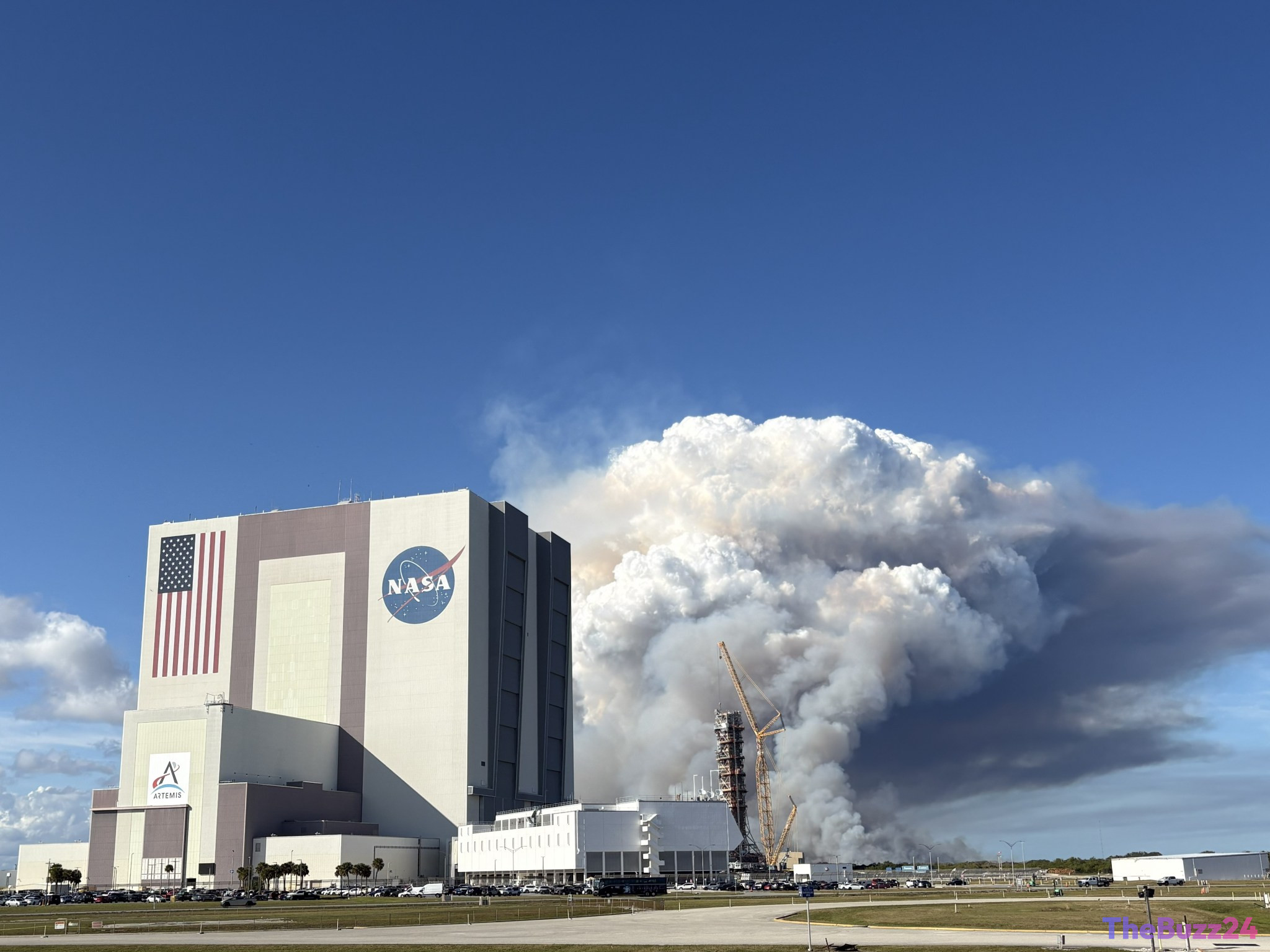
In a significant operational first, NASA’s Kennedy Space Center in Florida successfully executed a series of prescribed burns across approximately 2,600 acres during an active launch countdown in January 2026. This groundbreaking initiative, undertaken in collaboration with the U.S. Fish and Wildlife Service and commercial space partners, marks a pivotal moment for the world’s busiest spaceport, demonstrating a novel capability to integrate essential land management with ongoing spaceflight operations.
Historically, land management activities involving fire at Kennedy Space Center and the surrounding Merritt Island National Wildlife Refuge necessitated a pause in launch operations. However, with the spaceport surpassing 100 successful liftoffs in 2025 and anticipating a continued surge in launch frequency, officials recognized the urgent need for adaptation. The prescribed burns are crucial for mitigating wildfire risks by reducing accumulated vegetation, thereby protecting vital launch infrastructure and the diverse ecosystems within the refuge, including critical habitats for the federally protected Florida scrub-jay.
The controlled burns targeted two primary areas: a 1,400-acre section known as Happy Creek, vital for wildlife, and a 1,200-acre plot near the spaceport’s industrial zone and iconic facilities like the Neil A. Armstrong Operations and Checkout Building. Extensive safety protocols were rigorously implemented, including detailed reviews of forecasted wind patterns, temporary relocation or remote work options for personnel, and intermittent road closures to manage smoke impact. This meticulous planning ensured the safety of workers and the integrity of spaceport operations throughout the burn period.
This successful integration of prescribed fire management into an active launch schedule underscores a forward-thinking approach to sustainable space operations. It not only safeguards America’s space ambitions and the burgeoning private space industry from potential catastrophic wildfires but also ensures the long-term health and resilience of the Merritt Island National Wildlife Refuge. The experience gained from this complex coordination is expected to inform future land management strategies at multi-use facilities globally, balancing technological advancement with environmental stewardship.
Key Takeaways
- NASA Kennedy Space Center successfully conducted prescribed burns during an active launch countdown for the first time in its history.
- The initiative, covering 2,600 acres in partnership with the U.S. Fish and Wildlife Service, aims to reduce wildfire risk and protect critical habitats, including that of the Florida scrub-jay.
- This new operational capability allows for essential land management to continue despite an increasing launch cadence, safeguarding both space infrastructure and natural ecosystems.
Editor’s Analysis & Impact
This pioneering effort by NASA Kennedy Space Center represents a significant leap in operational flexibility and risk management for the space industry. As global launch cadences continue to accelerate, the ability to conduct essential environmental management, such as prescribed burns, without disrupting critical launch schedules, becomes paramount. This integration sets a new standard for spaceports worldwide, demonstrating how high-tech operations can coexist with vital ecological stewardship. The proactive approach to wildfire prevention not only protects billions of dollars in infrastructure but also ensures the long-term viability of unique ecosystems. This model of inter-agency cooperation between NASA and the U.S. Fish and Wildlife Service could serve as a blueprint for other complex facilities facing similar environmental and operational challenges, highlighting a broader trend towards sustainable and integrated management practices.
Frequently Asked Questions
Q: Why are prescribed burns necessary at Kennedy Space Center?
A: Prescribed burns are essential for land management at Kennedy Space Center and the Merritt Island National Wildlife Refuge to reduce the accumulation of flammable vegetation, thereby preventing larger, uncontrolled wildfires. These fires also maintain the health of ecosystems and protect habitats for species like the federally protected Florida scrub-jay, which rely on periodic fires.
Q: What made this particular prescribed burn operation historic?
A: This operation was historic because it was the first time prescribed burns were conducted at Kennedy Space Center during an active launch countdown. Previously, such land management activities required a pause in launch operations, but the increasing frequency of launches necessitated a new, integrated approach.
Q: How did NASA ensure safety during the burns, especially with an active launch countdown?
A: NASA, in coordination with the U.S. Fish and Wildlife Service, implemented rigorous safety protocols. This included reviewing forecasted wind patterns, issuing smoke warnings, temporarily relocating some personnel or allowing remote work, and intermittently closing roads and entrances to ensure the safety of workers and the integrity of spaceport operations.
AI Disclosure: This article is based on verified data and official reports. Our Team and AI have cross-referenced every financial detail with primary sources to ensure total accuracy.
More from this Category