Clearing the Skies: NASA Tests Priority Protocols for Emergency Drones
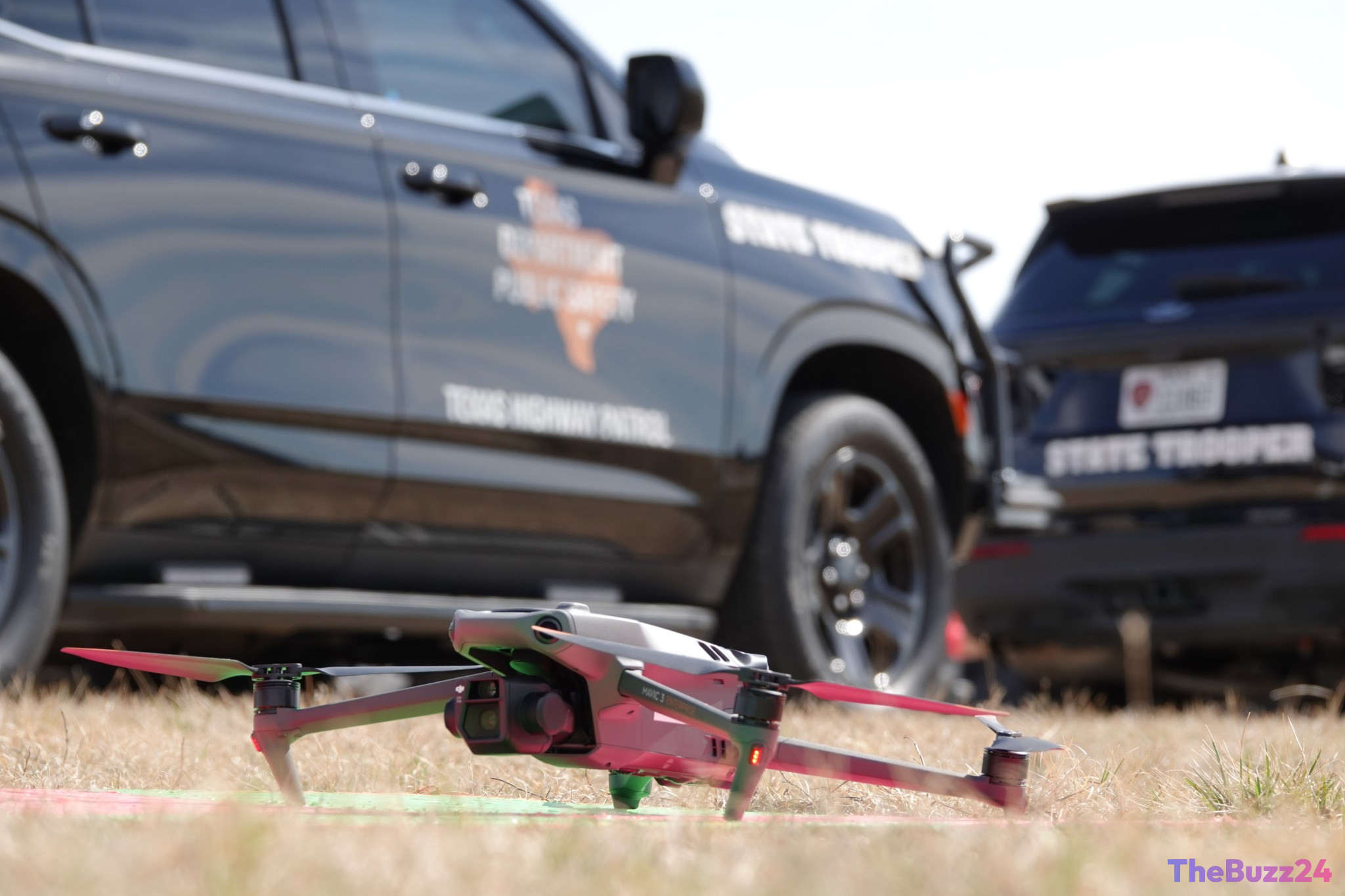
As the skies become increasingly populated with commercial delivery drones and automated aerial vehicles, the challenge of managing traffic flow has become a top priority for aviation authorities. Much like emergency vehicles on the ground that rely on sirens and lights to clear traffic, first responder drones require a system that grants them immediate access to airspace during critical operations. To address this, researchers recently conducted a series of flight exercises in North Texas to test new protocols for prioritizing emergency drone traffic.
The initiative, led by experts from NASA’s Ames Research Center in collaboration with the Federal Aviation Administration and local public safety agencies, focused on creating a real-time management framework. During the simulations, researchers tested how commercial drones could be signaled to yield or adjust their flight paths when a police or fire drone was deployed for an emergency. This ensures that search-and-rescue missions or pursuit operations are not hindered by the growing density of commercial aerial traffic.
A significant focus of the testing involved the unpredictable nature of emergency response. Unlike commercial delivery drones that follow pre-planned, efficient routes, first responder drones must often maneuver erratically to track suspects or survey dangerous environments. By simulating high-speed vehicle chases and sudden directional changes, the team gathered vital data on how to maintain safety standards without compromising the agility required by law enforcement and rescue teams.
This collaborative effort involved various industry partners and municipal police departments, marking a crucial step toward a scalable, automated air traffic management system. As drone usage continues to expand, these findings will be instrumental in developing the digital infrastructure necessary to keep communities safe while allowing the commercial drone industry to thrive in a shared, regulated airspace.
Key Takeaways
- NASA and the FAA are developing 'right-of-way' protocols for drones to ensure emergency responders have priority in crowded skies.
- The testing in North Texas simulated real-world emergency scenarios, including high-speed vehicle chases, to stress-test traffic management systems.
- The goal is to create a scalable framework that allows commercial drone operations to coexist safely with unpredictable, mission-critical public safety flights.
Editor’s Analysis & Impact
The integration of autonomous drones into urban airspace represents one of the most significant logistical challenges in modern aviation. As commercial delivery services scale, the potential for congestion and mid-air conflict increases, making the development of an automated ‘air traffic control’ system for low-altitude drones essential. NASA’s focus on emergency prioritization is a critical precursor to the widespread adoption of Unmanned Aircraft System Traffic Management (UTM). By establishing these protocols now, the industry is effectively building the ‘rules of the road’ for the next generation of aerial logistics. The broader implication is a shift toward a fully digital, real-time airspace management model where safety is baked into the software, potentially reducing the burden on human controllers and setting a global standard for how nations manage the future of urban air mobility.
Frequently Asked Questions
Q: Why do emergency drones need special priority in the air?
A: Emergency drones often perform unpredictable maneuvers during search-and-rescue or police pursuits. Giving them priority ensures they can reach their destination or track targets without being blocked by commercial delivery drones.
Q: How does the system signal commercial drones to move?
A: The system utilizes digital air traffic management tools that communicate with drone flight software, allowing for automated adjustments to flight paths when a higher-priority emergency vehicle enters the area.
AI Disclosure: This article is based on verified data and official reports. Our Team and AI have cross-referenced every financial detail with primary sources to ensure total accuracy.
More from this Category