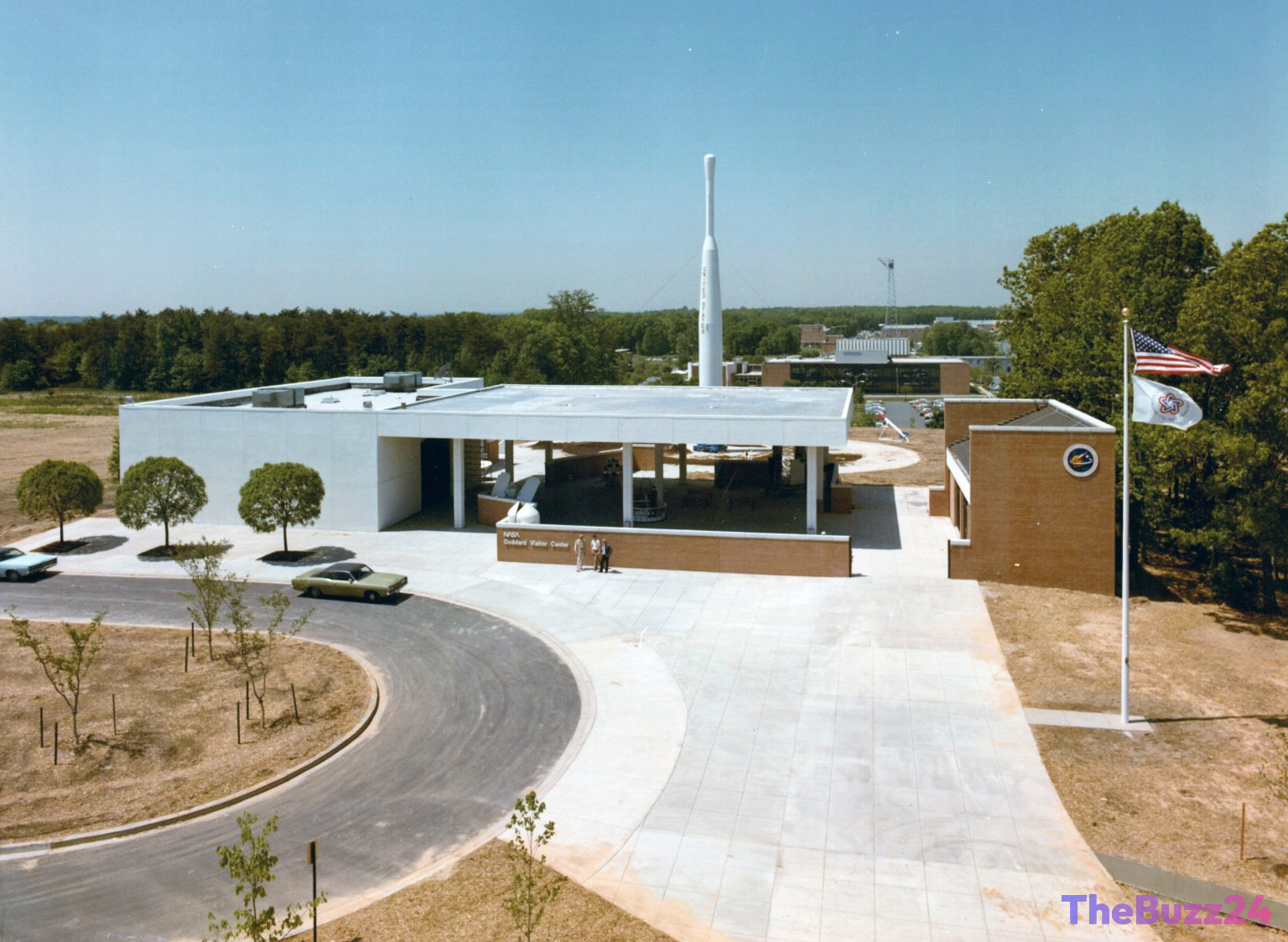
Half a Century of Discovery: NASA Goddard Visitor Center Celebrates 50 Years
The NASA Goddard Visitor Center in Greenbelt, Maryland, is celebrating a major milestone this year, marking five decades of public engagement and space education. Since its opening in May 1976, the center has served as a vital bridge between complex aerospace research and the general public, fulfilling the agency’s long-standing mandate to share its scientific discoveries with the world. The facility, which originally occupied a former radio station site, has evolved from a modest exhibition space into a modern hub for STEM inspiration.
Throughout its history, the center has hosted a diverse array of exhibits, ranging from early models of the Orbiting Astronomical Observatory to modern 4K theater experiences and interactive displays focused on the Hubble and Roman space telescopes. Beyond static exhibits, the center has become a community staple, hosting monthly model rocket launches, virtual field trips, and educational programs that have inspired generations of students to pursue careers in science and engineering. The grounds themselves are a piece of history, featuring a towering Delta-B rocket and a ‘Moon Tree’ grown from seeds carried to the lunar surface during the Apollo 14 mission.
As the facility looks toward the future, its mission remains rooted in accessibility and curiosity. By maintaining free admission and continuously updating its programming to reflect current space exploration goals, the center ensures that the wonders of the cosmos remain within reach for all visitors. Whether through hands-on activities or the chance to learn about the latest satellite technology, the Goddard Visitor Center continues to serve as a cornerstone for public outreach in the aerospace sector.
Key Takeaways
- The NASA Goddard Visitor Center is celebrating its 50th anniversary of providing public space education and outreach.
- The facility has evolved from a repurposed radio station into a modern center featuring advanced technology, including 4K theaters and interactive telescope exhibits.
- The center remains committed to its founding mission by offering free admission and educational programs to inspire the next generation of space explorers.
Editor’s Analysis & Impact
The longevity of the NASA Goddard Visitor Center highlights the enduring public interest in space exploration and the strategic importance of institutional outreach. By maintaining a physical space that translates complex scientific data into accessible, interactive experiences, the center plays a crucial role in fostering public support for government-funded research. As the aerospace industry shifts toward more commercial and collaborative models, the role of such visitor centers becomes even more critical in maintaining the ‘human element’ of space science. Looking ahead, the integration of virtual reality and digital outreach will likely allow the center to expand its influence beyond the local Maryland community, ensuring that the legacy of Goddard’s research continues to inspire a global audience while maintaining its status as a landmark for scientific literacy.
Frequently Asked Questions
Q: Is there an admission fee to visit the NASA Goddard Visitor Center?
A: No, admission to the NASA Goddard Visitor Center is free to the public.
Q: What kind of exhibits can visitors expect to see at the center?
A: Visitors can explore a variety of exhibits, including Hubble Space Telescope artifacts, a 4K science film theater, interactive arcade consoles, and historical displays like the Delta-B rocket and the Apollo 14 'Moon Tree'.
AI Disclosure: This article is based on verified data and official reports. Our Team and AI have cross-referenced every financial detail with primary sources to ensure total accuracy.
More from this Category