Early Stellar Stability: New Findings Suggest Life-Friendly Conditions Arrive Sooner
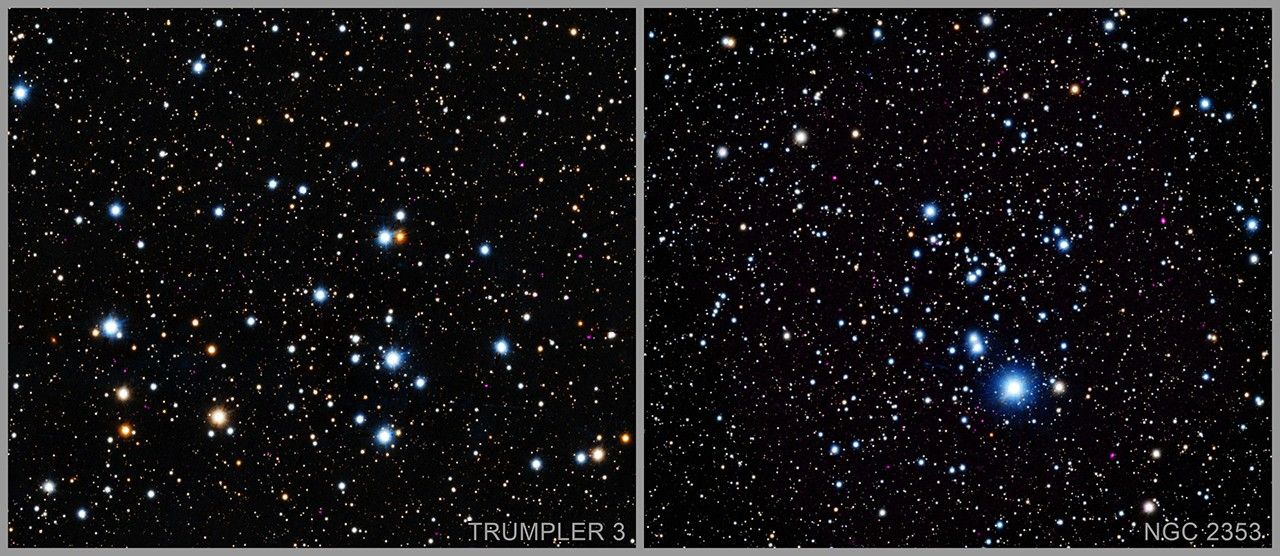
Recent astronomical research has fundamentally shifted the timeline for planetary habitability, revealing that young, Sun-like stars transition to stable environments far more rapidly than previously assumed. By synthesizing data from multiple space-based observatories, including the Chandra X-ray Observatory, the Gaia satellite, and the ROSAT mission, scientists tracked the high-energy output of star clusters ranging from 45 million to 750 million years old.
The investigation discovered that as these stars mature, their internal magnetic field generation loses efficiency at an accelerated rate. This process results in a decline in X-ray radiation that occurs approximately 15 times faster than existing scientific models had predicted. Consequently, the volatile, high-energy phase of a star’s youth concludes much earlier in its lifecycle, allowing for a more stable environment to emerge sooner than once thought possible.
This rapid reduction in radiation is a pivotal factor for the development of life on orbiting exoplanets. High-energy X-ray emissions are known to strip away planetary atmospheres and disrupt the formation of essential chemical precursors. By quieting down earlier, these stars provide a protective window that allows atmospheres to persist and biological processes to potentially initiate much earlier in a solar system’s history. These insights not only refine our understanding of stellar evolution but also offer a clearer picture of the conditions that allowed life to flourish on Earth.
Key Takeaways
- Sun-like stars reduce their X-ray output 15 times faster than previous models indicated.
- The accelerated decline in radiation creates stable conditions for planetary atmospheres much earlier in a star's life.
- The findings provide a new framework for understanding the historical conditions that enabled life to emerge on Earth.
Editor’s Analysis & Impact
This discovery represents a paradigm shift in astrobiology and stellar physics. By shortening the ‘adolescent’ phase of high-energy stellar activity, the window for planetary habitability opens significantly earlier than previously assumed. This has profound implications for the Drake Equation and the search for extraterrestrial life, as it suggests that a larger number of exoplanets may have had the necessary stability to support life for longer periods. From an industry perspective, this data refines the criteria used by space agencies and private aerospace ventures when selecting target systems for atmospheric analysis via next-generation telescopes. As we continue to map the life cycles of stars, our ability to filter out ‘dead’ or hostile systems improves, effectively narrowing the search parameters for potentially habitable worlds in the vast expanse of the galaxy.
Frequently Asked Questions
Q: Why is X-ray radiation harmful to potential life on planets?
A: Intense X-ray radiation from young stars can erode a planet's atmosphere and destroy the chemical precursors necessary for life to form.
Q: How did researchers determine that stars dim faster than expected?
A: Researchers compared data from the Chandra X-ray Observatory, the Gaia satellite, and the ROSAT mission across star clusters of varying ages to track the decline in magnetic field efficiency and X-ray output.
AI Disclosure: This article is based on verified data and official reports. Our Team and AI have cross-referenced every financial detail with primary sources to ensure total accuracy.
More from this Category