NASA Hands Over Historic ‘Area 400’ Forest to Expand Maryland Wildlife Refuge
In a significant move for regional conservation, NASA has officially transferred ownership of a 105-acre forested tract from its Goddard Space Flight Center in Greenbelt, Maryland, to the adjacent Patuxent Research Refuge. The parcel, historically designated as “Area 400,” will now be managed by the U.S. Fish and Wildlife Service. This transfer integrates the land into the largest continuous block of unfragmented forest situated between Washington, D.C., and Baltimore, bolstering local ecological preservation efforts.
Beginning in the 1960s, NASA utilized Area 400 primarily for propellant research. Over the decades, however, these specialized operations were gradually relocated to other NASA facilities across the country or outsourced to commercial aerospace partners. With the site no longer required for space operations, discussions regarding its ecological divestment began in 2021. Before finalizing the transfer, NASA completed extensive decommissioning activities, which included dismantling 11 small structures, removing roadways, and disconnecting utility services to restore the area to its natural state.
The Patuxent Research Refuge, which spans nearly 13,000 acres, holds the distinction of being the nation’s only federal refuge established specifically to support wildlife research. Beyond its scientific importance, the refuge serves as a vital recreational space for the public, offering activities such as hiking, bicycling, horseback riding, fishing, and hunting. The addition of Area 400 ensures that this critical habitat remains protected from urban development, preserving biodiversity and expanding outdoor recreational opportunities.
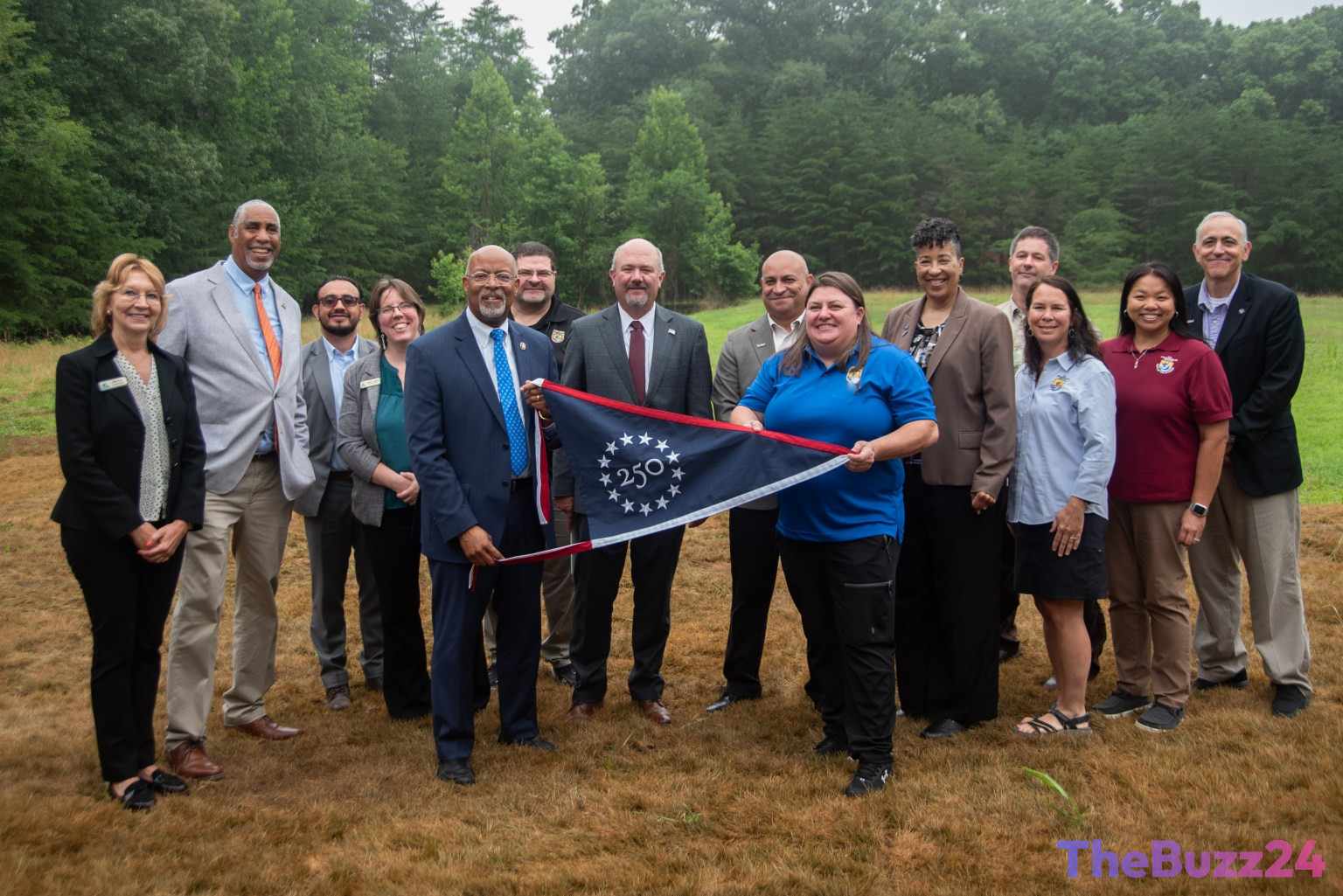
During a ceremonial event marking the transition, officials from both agencies celebrated the partnership with a symbolic release of monarch butterflies and the dispersal of milkweed seeds. Leaders emphasized that while NASA Goddard has spent more than six decades studying Earth from space, collaborating on land conservation represents a tangible, ground-level contribution to protecting the planet for future generations.
Key Takeaways
- NASA has transferred a 105-acre parcel known as 'Area 400' from the Goddard Space Flight Center to the Patuxent Research Refuge.
- The land, once used for rocket propellant research starting in the 1960s, has been restored to its natural state by removing buildings and infrastructure.
- The transfer expands the largest unfragmented forest block between Washington, D.C., and Baltimore, securing critical habitat for wildlife research and public recreation.
Editor’s Analysis & Impact
This land transfer highlights a growing trend of federal agencies optimizing their real estate portfolios by prioritizing environmental stewardship. By divesting from ‘Area 400,’ NASA not only reduces its operational footprint and maintenance costs but also contributes directly to regional biodiversity. The integration of this land into the Patuxent Research Refuge is a major win for conservationists, as unfragmented forests are increasingly rare and vital for migratory species in the heavily developed Washington-Baltimore corridor. Furthermore, this transition reflects the shifting landscape of the aerospace sector, where legacy government research sites are being decommissioned as operations consolidate or transition to commercial partners. We expect to see more of these interagency land transfers in the future as sustainability goals become central to federal asset management.
Frequently Asked Questions
Q: What was NASA's 'Area 400' originally used for?
A: Starting in the 1960s, NASA's Goddard Space Flight Center used Area 400 for propellant research. These operations have since been moved to other facilities or commercial providers.
Q: What is the significance of the Patuxent Research Refuge?
A: Spanning nearly 13,000 acres, it is the only federal refuge in the United States established specifically to support wildlife research, while also offering public recreational activities like hiking and fishing.
Q: How did NASA prepare the land before transferring it?
A: NASA decommissioned the site by deconstructing 11 small buildings, removing roadways, and disconnecting utility services to return the area to a natural, forested state.
AI Disclosure: This article is based on verified data and official reports. Our Team and AI have cross-referenced every financial detail with primary sources to ensure total accuracy.
More from this Category