NASA Upgrades Kennedy Space Center Facility for Roman Space Telescope Mission
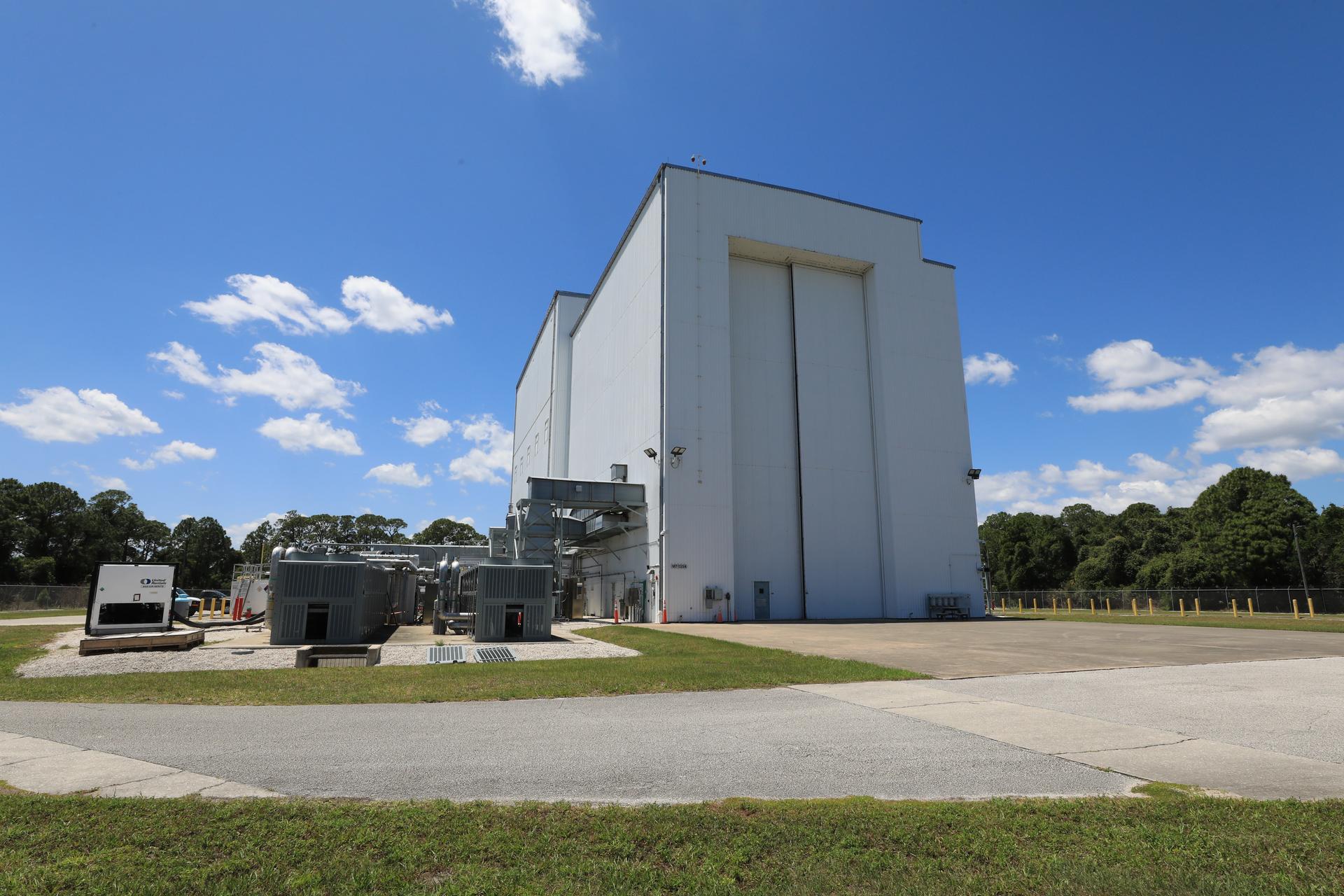
NASA has initiated a comprehensive modernization of the Payload Hazardous Servicing Facility (PHSF) at the Kennedy Space Center to prepare for the launch of the Nancy Grace Roman Space Telescope. Scheduled for a SpaceX Falcon Heavy launch in early September, the telescope will undergo critical final system check-outs, inspections, and fueling procedures within this newly upgraded environment.
The facility renovation focuses heavily on contamination control, upgrading the clean-room standards from ISO class 8 to ISO class 7. This improvement includes the installation of a state-of-the-art HEPA-filtered air shower system designed to remove particulates from personnel before they enter the workspace. Additionally, the facility’s HVAC infrastructure has been overhauled with new chiller coils and pressure-regulated air dryers to maintain a precise climate of 70°F and 30-60% relative humidity, shielding the sensitive hardware from Florida’s volatile weather conditions.
Beyond climate and air quality, the project emphasizes rigorous debris mitigation. A 15-ton bridge crane has been refurbished to prevent paint-chip contamination, and compressed-air lines have been replaced to ensure the safe movement of delicate instruments. These enhancements are vital for the PHSF, which has a long history of supporting high-stakes missions, including the Hubble Space Telescope, the Mars 2020 Perseverance rover, and the upcoming Europa Clipper. By refining these capabilities, NASA aims to ensure the Roman Space Telescope is fully protected as it prepares to join the fleet of observatories currently expanding our understanding of the cosmos.
Key Takeaways
- The PHSF at Kennedy Space Center has been upgraded to ISO class 7 cleanliness standards to support the Nancy Grace Roman Space Telescope.
- Facility improvements include advanced HEPA-filtered air showers, modernized HVAC systems, and debris-mitigation measures for the 15-ton bridge crane.
- The Roman Space Telescope is scheduled for a September launch aboard a SpaceX Falcon Heavy rocket.
Editor’s Analysis & Impact
The modernization of the Payload Hazardous Servicing Facility represents a strategic investment in the longevity and success of NASA’s next-generation observatories. As space exploration becomes increasingly reliant on highly sensitive optical and infrared instruments, the margin for error regarding contamination and environmental stability continues to shrink. By upgrading the PHSF to ISO class 7, NASA is not only securing the Roman Space Telescope mission but also future-proofing the facility for subsequent high-profile payloads. This move reflects a broader industry trend toward ‘zero-defect’ manufacturing and handling environments, which is essential as private and public sectors push for more complex, high-cost missions. The integration of these upgrades ensures that the facility remains a critical hub for deep-space exploration, maintaining the rigorous standards required to protect multi-billion dollar assets before they reach orbit.
Frequently Asked Questions
Q: What is the primary purpose of the PHSF upgrades?
A: The upgrades are designed to enhance contamination control and environmental stability, ensuring the Nancy Grace Roman Space Telescope remains free of debris and is stored in optimal conditions prior to its launch.
Q: When is the Nancy Grace Roman Space Telescope scheduled to launch?
A: The telescope is currently slated for an early September launch aboard a SpaceX Falcon Heavy rocket.
AI Disclosure: This article is based on verified data and official reports. Our Team and AI have cross-referenced every financial detail with primary sources to ensure total accuracy.
More from this Category