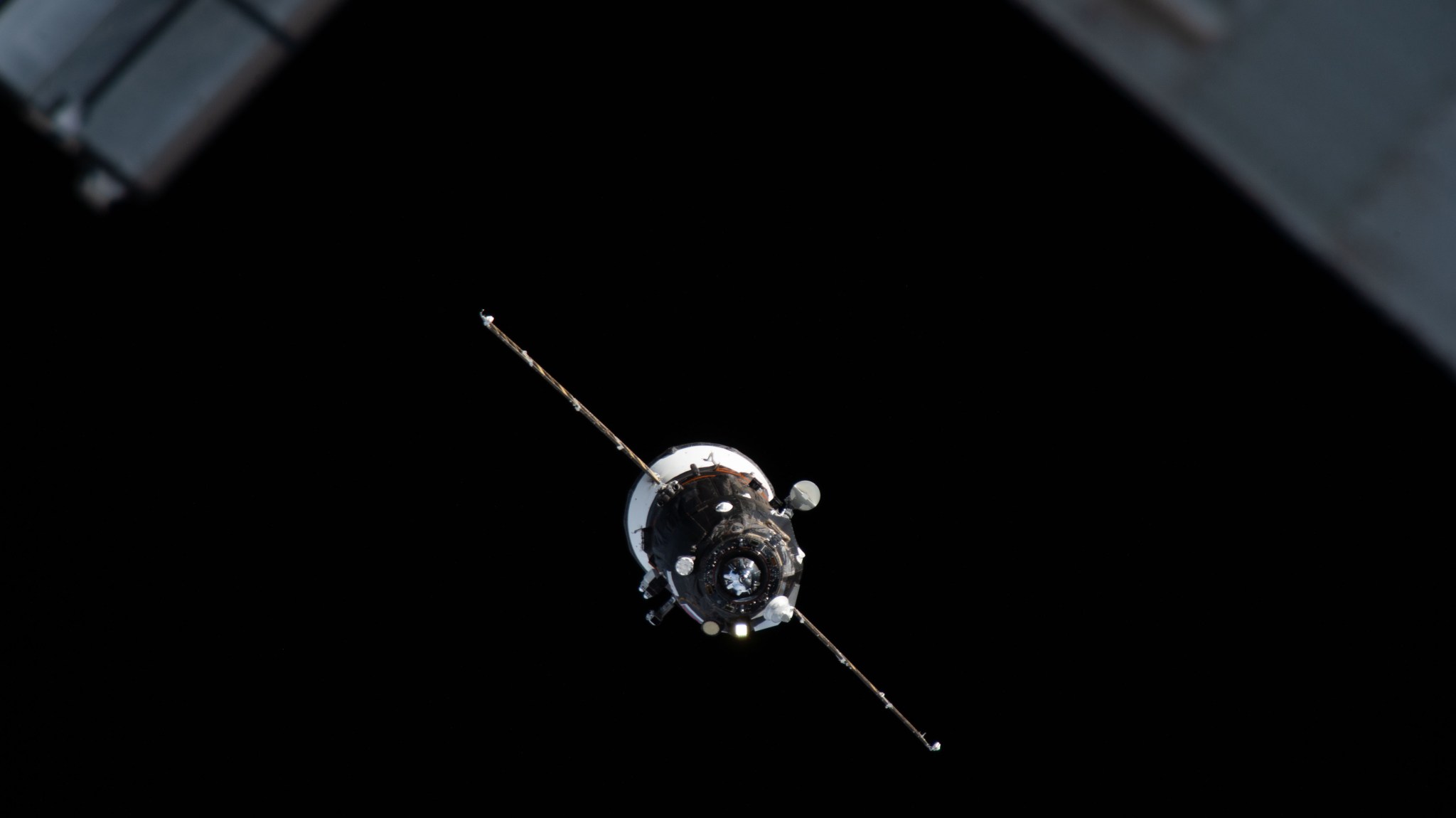
Progress 95 Mission Prepares for Critical Resupply Run to International Space Station
A new logistics mission is underway as the Progress 95 spacecraft prepares to deliver approximately three tons of vital supplies to the International Space Station. The unpiloted cargo vessel is scheduled to launch from the Baikonur Cosmodrome in Kazakhstan, propelled by a Soyuz rocket. This mission is a cornerstone of orbital operations, ensuring that the crew living and working in low Earth orbit remains fully equipped with essential food, fuel, and scientific hardware.
Following its launch, the spacecraft will undergo a two-day transit phase before executing an autonomous docking maneuver at the Zvezda module’s aft port. Once successfully integrated with the station, the Progress 95 will remain docked for approximately seven months. Beyond its primary role as a delivery vehicle, the craft will function as an auxiliary storage space and, eventually, a disposal vessel. Before its mission concludes, the crew will fill the craft with station waste, which will then be safely incinerated during a controlled re-entry into Earth’s atmosphere over the Pacific Ocean.
This resupply effort underscores the commitment to maintaining a continuous human presence in space, a milestone that has now surpassed 25 years. These routine logistics operations are not merely about maintenance; they provide the foundation for ongoing microgravity research and scientific discovery. Furthermore, the operational data gathered from these frequent missions is instrumental in refining the technologies and logistics strategies necessary for future deep-space exploration, including the Artemis lunar program and eventual crewed missions to Mars.
Key Takeaways
- The Progress 95 spacecraft is carrying three tons of essential supplies, including fuel and food, to the International Space Station.
- The mission involves a two-day transit followed by an autonomous docking at the Zvezda module, where the craft will stay for seven months.
- Beyond resupply, the mission serves as a waste disposal mechanism, with the craft burning up in the atmosphere upon completion of its service.
Editor’s Analysis & Impact
The Progress 95 mission highlights the critical reliance on automated logistics to sustain long-term human spaceflight. As global space agencies shift their focus toward the Artemis program and long-duration missions to Mars, the reliability of these ‘workhorse’ resupply vehicles becomes increasingly paramount. The ability to autonomously dock and manage waste disposal demonstrates a mature, efficient supply chain model that is essential for the commercialization of low Earth orbit. Looking ahead, the industry will likely see a transition toward more reusable cargo platforms and increased private sector involvement in these logistics chains. The data harvested from these routine flights remains the bedrock for developing life-support systems capable of sustaining crews far beyond the protective bubble of Earth’s orbit, marking a vital step in the evolution of interplanetary travel.
Frequently Asked Questions
Q: How long will the Progress 95 spacecraft remain docked at the International Space Station?
A: The spacecraft is expected to remain docked at the station for approximately seven months.
Q: What happens to the Progress 95 spacecraft after its mission is complete?
A: After being loaded with waste by the crew, the spacecraft will undock and perform a controlled re-entry into Earth's atmosphere, where it will burn up over the Pacific Ocean.
AI Disclosure: This article is based on verified data and official reports. Our Team and AI have cross-referenced every financial detail with primary sources to ensure total accuracy.
More from this Category