NASA Unveils Roadmap and Tactical Challenges for Long-Term Outpost at Lunar South Pole
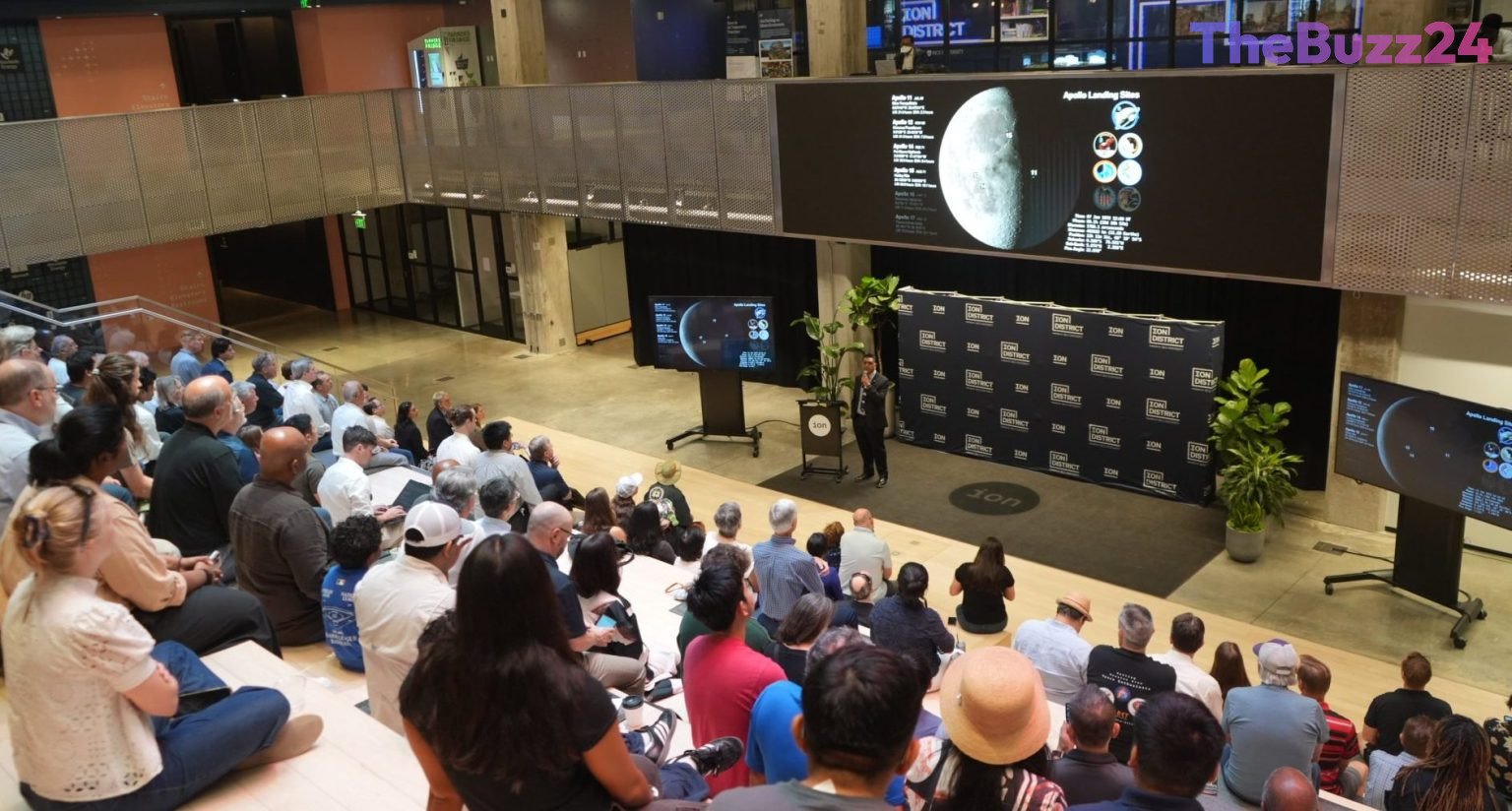
NASA is outlining its strategy for establishing a permanent human outpost on the Moon, highlighting the complex engineering and environmental hurdles associated with the lunar South Pole. During a recent public forum in Houston organized in collaboration with Rice University and the Ion innovation hub, lead engineers shared key insights into the agency’s Moon Base Program. The initiative aims to transition space exploration from temporary visits to sustained surface operations, paving the way for future long-duration human missions.
Setting up a lunar installation poses unprecedented operational difficulties. Unlike the equatorial landing sites visited during the Apollo era, the Moon’s South Pole features extreme terrain, deep shadowed craters, and low-angle sunlight that complicates continuous power generation and navigation. Furthermore, the absence of direct line-of-sight communications back to Earth requires a dedicated lunar relay network. Program leaders emphasized that the Moon Base may not consist of a single centralized facility, but rather a distributed network of habitats and support systems spread across the rugged surface.
Among the primary technical hurdles is coping with abrasive lunar regolith, or Moon dust, which poses significant risks to suits, mechanical gear, and astronaut health. Additionally, extracting critical resources—such as water ice trapped in permanently shadowed regions—will require specialized mobility and processing equipment capable of enduring extreme temperatures. NASA is adopting an incremental, risk-mitigation strategy utilizing initial robotic landers and tech demonstrations before committing large-scale human infrastructure.
To overcome these obstacles, space agency officials emphasized the vital role of commercial partnerships, international cooperation, and cross-disciplinary expertise. As the Moon Base serves as a foundational proving ground for future human missions to Mars, organizers are inviting participation from diverse sectors beyond traditional aerospace engineering, stressing adaptable interface designs that enable seamless technological integration.
Key Takeaways
- NASA’s Moon Base Program focuses on a distributed surface architecture at the lunar South Pole rather than a single centralized facility.
- Major operational challenges include abrasive lunar dust, low sunlight angles impacting power storage, and topographical obstructions to Earth communications.
- The lunar surface will serve as a crucial testbed for technologies, resource extraction methods, and operational strategies required for future Mars exploration.
Editor’s Analysis & Impact
NASA’s incremental approach toward establishing a permanent presence at the lunar South Pole underscores a strategic pivot toward sustainable deep-space commercialization. By focusing on distributed architectures and standardized system interfaces, the agency is lowering entry barriers for private sector partners and international allies. Beyond scientific discovery, unlocking water ice and volatile resources in permanently shadowed regions could spark a new space economy centered on in-situ resource utilization and orbital logistics. However, technical risks remain immense—particularly in dust mitigation, surface power management, and autonomous operations. Successfully mastering these capabilities at the Moon will be crucial before humanity can realistically execute multi-year missions to Mars, positioning the lunar surface as the ultimate testing ground for next-generation aerospace infrastructure.
Frequently Asked Questions
Q: Why is NASA targeting the lunar South Pole instead of previous Apollo landing sites?
A: The lunar South Pole contains deep, permanently shadowed craters believed to harbor substantial deposits of water ice. This ice can be harvested and converted into drinking water, breathable oxygen, and hydrogen-based rocket fuel to support sustained human presence.
Q: What makes lunar regolith such a significant obstacle?
A: Lunar regolith consists of tiny, razor-sharp dust particles created by meteorite impacts. Because there is no atmospheric weathering on the Moon to smooth the edges, the abrasive and electrostatically charged dust easily damages spacesuits, clogs mechanical seals, and poses health hazards to astronauts.
Q: How can commercial companies outside aerospace get involved in the Moon Base Program?
A: NASA is opening solicitations across multiple domains, inviting expertise in software interface design, power management, robotics, autonomous systems, data processing, and business logistics to help build out lunar infrastructure.
AI Disclosure: This article is based on verified data and official reports. Our Team and AI have cross-referenced every financial detail with primary sources to ensure total accuracy.
More from this Category