NASA’s Robotic Innovations Pave the Way for Moon Missions and Earthly Advancements
NASA is enhancing its capabilities for future lunar missions by integrating advanced robotic intelligence, a development that also promises significant benefits for terrestrial industries. Through collaborations with private companies, the space agency is refining robotic systems designed to handle complex tasks, freeing up astronauts for more critical scientific endeavors.
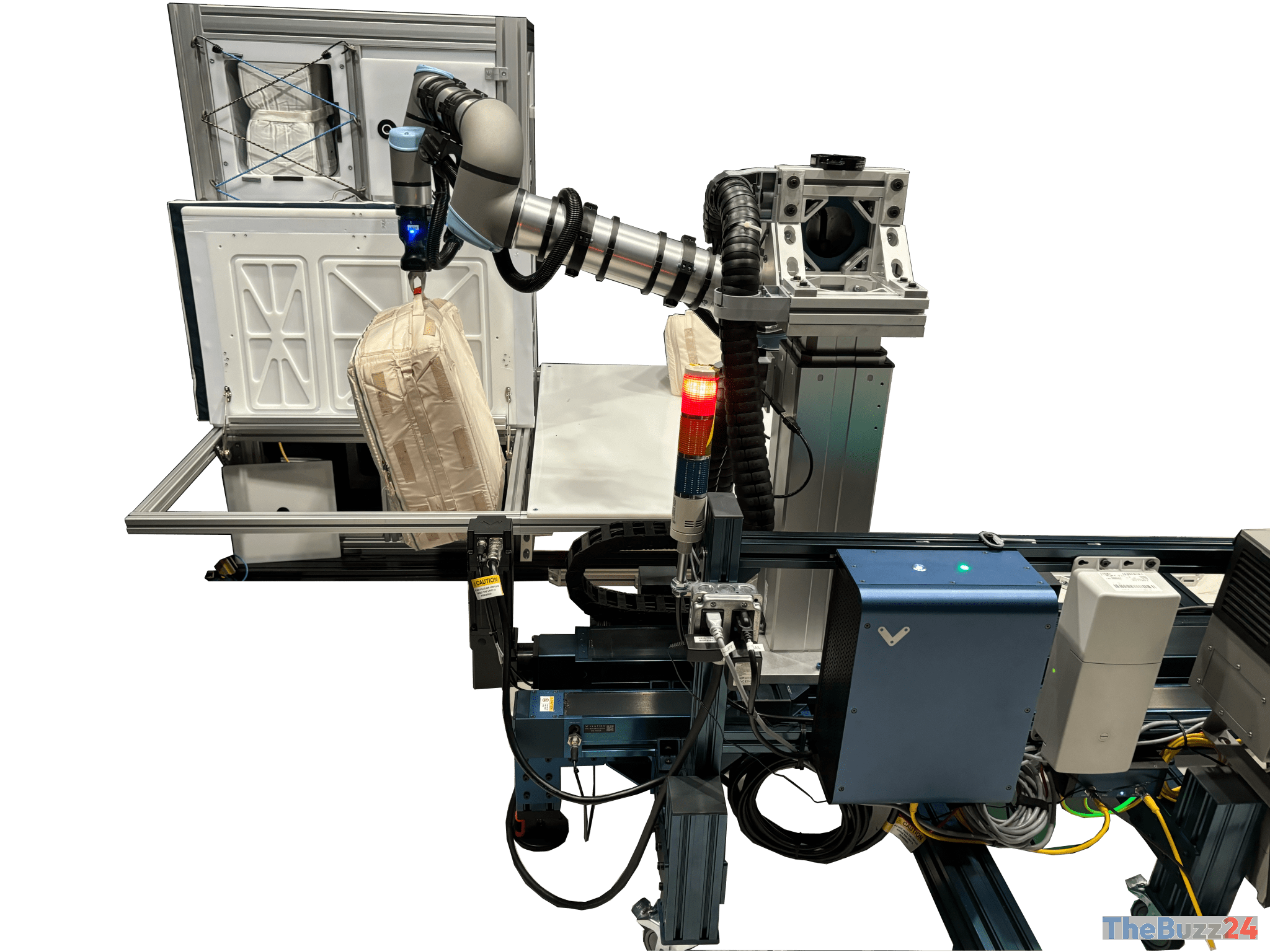
Recent simulations conducted at NASA’s Johnson Space Center showcased the effectiveness of specialized robotic control software. In tests within the Integrated Mobile Evaluation Testbed for Robotics Operations, robotic arms successfully performed intricate maneuvers, including passing cargo transfer bags through a simulated spacecraft hatch and stowing them. This sophisticated operation highlights the progress in robotic decision-making and object recognition, crucial elements for autonomous operations in space.
The technology, developed by the Boulder, Colorado-based company PickNik Inc., demonstrates how early government investment can foster groundbreaking commercial applications. PickNik’s software, MoveIt Pro, has already been adopted by various industries. Automotive giant BMW utilizes it for its robotic assembly lines, while Lightspeed employs it to program large robotic arms for constructing affordable housing panels. Additionally, Hivebotics has integrated the software to automate its cleaning robots, underscoring the broad applicability of NASA-backed innovations.
This synergy between NASA’s ambitious space exploration goals and private sector innovation exemplifies the agency’s long-standing commitment to technology transfer. By supporting the development of advanced robotics for missions like Artemis, NASA not only prepares for its return to the Moon and beyond but also drives technological progress that enhances industries and improves life on Earth.
Key Takeaways
- NASA is testing advanced robotic software to automate tasks for future Moon missions, allowing astronauts to focus on science.
- PickNik Inc.'s MoveIt Pro software, supported by NASA, is being used by companies like BMW and Lightspeed for industrial automation and construction.
- Technological advancements driven by space exploration are yielding practical benefits for various industries on Earth.
Editor’s Analysis & Impact
This collaboration between NASA and PickNik Inc. underscores a critical trend: the dual-use nature of cutting-edge technology. By investing in the complex challenges of space robotics, NASA is not only preparing for ambitious lunar and Martian exploration but also seeding innovation that has immediate commercial value. The adoption of MoveIt Pro by diverse sectors like automotive manufacturing and affordable housing construction demonstrates the tangible economic impact of space agency R&D. This symbiotic relationship is likely to accelerate the development of more sophisticated AI and robotics, benefiting both space exploration and terrestrial industries, and highlighting the long-term return on investment for public funding in advanced technology.
Frequently Asked Questions
Q: What is the primary goal of NASA's robotic intelligence development?
A: The primary goal is to automate routine and complex tasks during long-term lunar missions, enabling astronauts to dedicate more time to scientific research and exploration.
Q: How does NASA's work in robotics benefit industries on Earth?
A: NASA's investment in robotic software development, like PickNik's MoveIt Pro, leads to commercially viable technologies that can be applied to automation in manufacturing, construction, and other sectors, driving innovation and economic growth.
Q: What specific tasks were demonstrated in the recent simulations?
A: The simulations involved a robotic arm recognizing and opening a spacecraft hatch, grasping a handle, and transferring cargo bags between the hatch and storage bins.
AI Disclosure: This article is based on verified data and official reports. Our Team and AI have cross-referenced every financial detail with primary sources to ensure total accuracy.
More from this Category