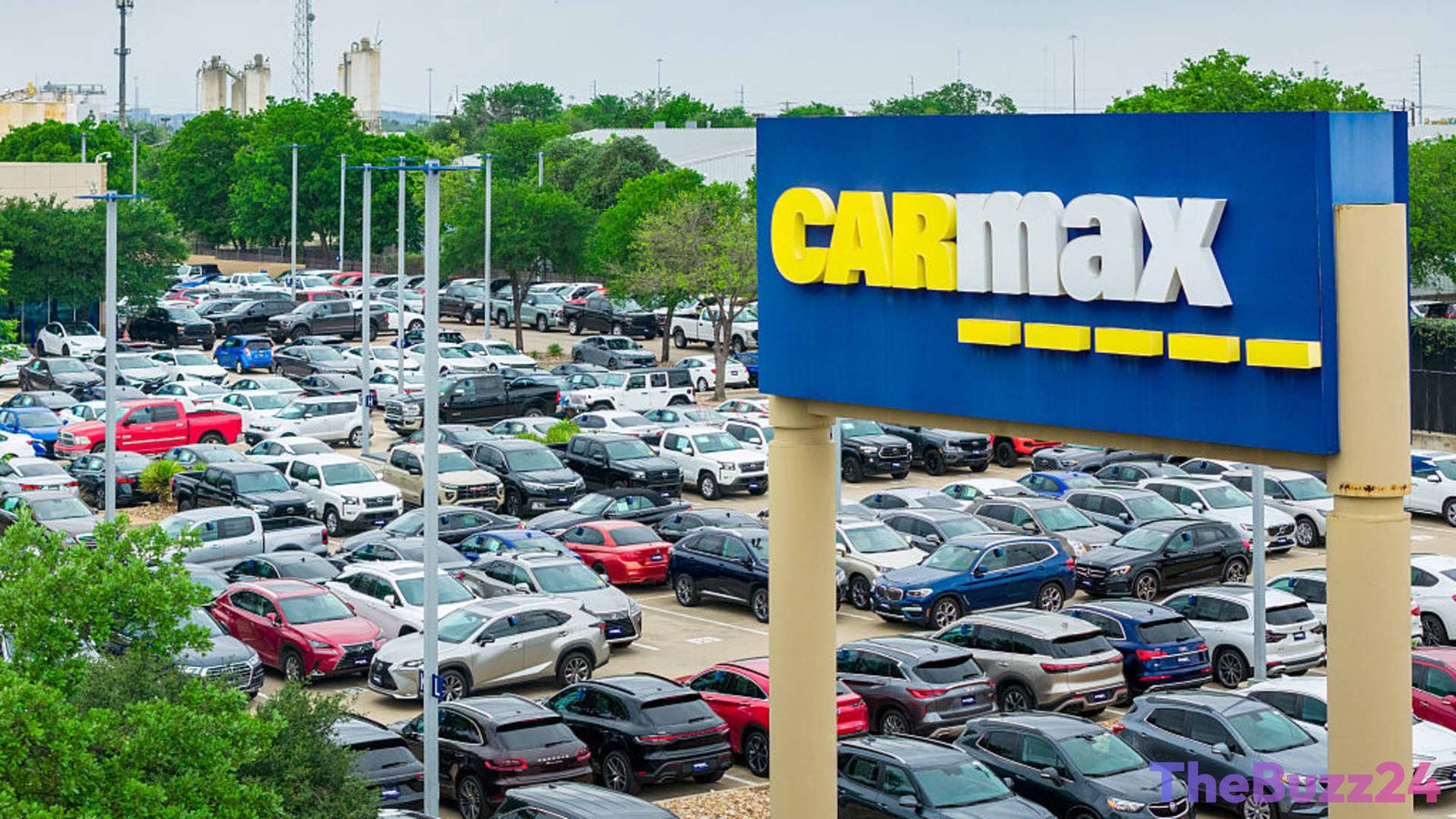
Navigating a Stagnant Used Car Market: Why CarMax’s Plateau Offers an Options Play
The pre-owned automotive sector continues to struggle under the weight of high interest rates and diminished consumer purchasing power. For major retailers like CarMax, the environment has translated into extended inventory turnover and a sluggish cash conversion cycle. Average used auto loan annual percentage rates are lingering near 15.9% across a typical 68-month term, pricing out mid-tier buyers even as vehicle prices stabilize. Despite these operational headwinds, CarMax retains a stable core balance sheet, preventing a severe breakdown in equity valuation.
Currently trading at approximately 17 times forward earnings—in line with its 10-year historical average—CarMax is largely viewed as fairly valued. However, because financing headwinds remain persistent and an immediate sales recovery is unlikely, the stock faces a firm ceiling on upside potential. This dynamic sets up an environment where the equity is expected to trade sideways in a narrow channel rather than break out in either direction.
Given this expected range-bound trajectory, derivatives traders are leaning into neutral options structures rather than directional bets. A three-legged, hedged short strangle expiring in November provides a way to extract yield from the stock’s lack of momentum. By selling the November 50 put and the November 60 call while simultaneously purchasing a November 67.50 call to cap upside risk, market participants can harvest an attractive credit balance.
The net credit of roughly $2.30 per share translates to a notable annualized return over a six-week duration. This trade architecture creates a safe profit corridor between $50 and $60 per share while buffering against moderate downside. Meanwhile, the long out-of-the-money call ensures protection against sudden short squeezes or macroeconomic surprises, making it an efficient vehicle for harvesting premium in a stagnant automotive market.
Key Takeaways
- Steep borrowing costs and 15.9% average auto loan APRs continue to suppress consumer demand across the used vehicle sector.
- CarMax shares are trading near historical valuation averages, setting the stage for range-bound performance rather than significant rallies or crashes.
- A hedged short strangle options structure allows investors to monetize the stock's consolidation phase while strictly limiting catastrophic upside tail risk.
Editor’s Analysis & Impact
The used vehicle marketplace remains a clear barometer of broader consumer health. CarMax’s operational bottlenecks—notably slower lot velocity and stretched cash cycles—illustrate how stubborn interest rates disproportionately squeeze everyday discretionary spending. When consumers face elevated APRs on long-term vehicle loans, demand inevitably softens. However, institutional backing and CarMax’s streamlined wholesale and retail operations provide a reliable fundamental floor. For financial markets, this creates an archetype of a ‘stuck’ stock: insulated from total collapse by steady earnings, yet barred from appreciation by consumer headwinds. In these environments, equity investors who rely solely on price appreciation often face stagnation, making premium-selling derivatives strategies increasingly relevant for generating yield.
Frequently Asked Questions
Q: Why is the used car market currently struggling?
A: High borrowing costs are the primary culprit. With average used auto loan rates hovering around 15.9% for lengthy terms, monthly vehicle payments have become unaffordable for many middle-income buyers, despite slight declines in vehicle sticker prices.
Q: What is a hedged short strangle?
A: A hedged short strangle involves selling both an out-of-the-money put and an out-of-the-money call to collect premium, combined with purchasing a further out-of-the-money call to cap the unlimited risk typically associated with rising stock prices.
Q: What happens if CarMax falls below the lower breakeven price in this trade?
A: If the stock falls below the $47.70 downside breakeven mark, the trader risks assignment on the short put, requiring them to purchase the stock at an effective cost basis of $47.70, which aligns with approximately 15 times forward earnings.
AI Disclosure: This article is based on verified data and official reports. Our Team and AI have cross-referenced every financial detail with primary sources to ensure total accuracy.
More from this Category