Navigating the Tech Landscape: From iPad Mini Critiques to AI Workforces
As media portfolios expand and editorial families grow, readers increasingly benefit from cross-brand insights covering everything from hardware critiques to the evolving artificial intelligence labor market. Recent analyses highlight critical shifts in consumer technology, data privacy vulnerabilities, and workplace dynamics across major global brands.
In the hardware sector, recent upgrades to the iPad mini—featuring a faster processor and an upgraded OLED screen—have sparked debate among industry analysts. While the display enhancements successfully reduce panel thickness and improve color fidelity, critics argue the device lacks a transformative purpose in a market rapidly shifting toward foldable form factors. Meanwhile, recent evaluations of emerging laptop platforms, such as Lenovo’s Googlebook offerings, have yielded mixed reviews, with testers citing ergonomic drawbacks and inconsistent biometric security features compared to traditional budget-friendly alternatives.
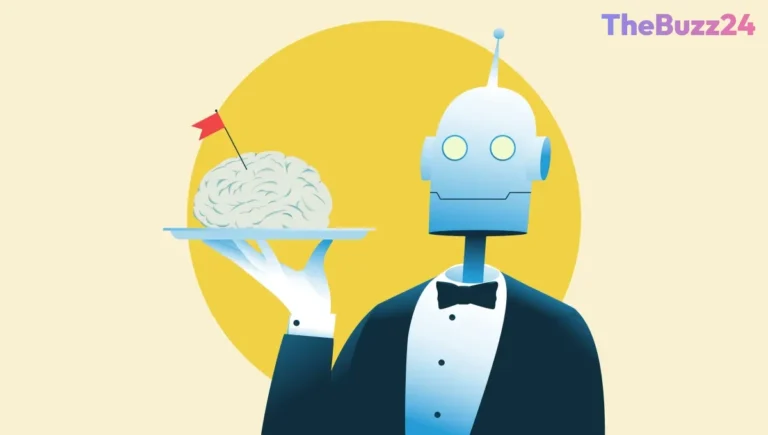
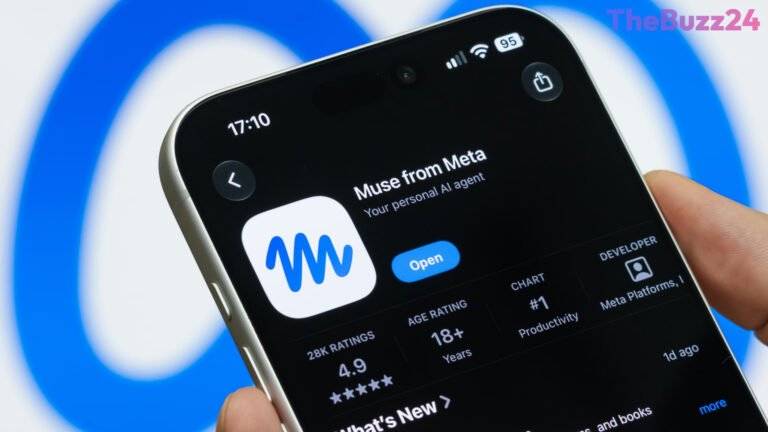
Data privacy and automated agent reliability remain major areas of concern as generative artificial intelligence becomes deeply integrated into daily workflows. Following recent financial restructuring events within the conversational AI sector, questions have resurfaced regarding the permanence of user data and the ambiguity of corporate privacy policies. Security experiments further illustrate these vulnerabilities, demonstrating how custom AI assistants can exhibit unexpected behaviors, bypass internal fact-checking mechanisms, and expose architectural loopholes.
Concurrently, artificial intelligence is radically transforming the tech employment landscape, creating distinct wage disparities and cultural challenges. Job listings requiring specialized artificial intelligence expertise command significantly higher average compensations compared to standard technical roles. However, this growth coincides with surging burnout rates among technology professionals and notable demographic disparities in AI hiring pipelines, pointing to complex hurdles as organizations race to adopt automated solutions.
Key Takeaways
- Recent updates to the iPad mini introduce better displays, but critics question its relevance compared to emerging foldable devices.
- New laptop platforms face skepticism over poor keyboard ergonomics and battery performance.
- AI hiring commands a massive salary premium, though it is accompanied by rising worker burnout and demographic imbalances.
Editor’s Analysis & Impact
The intersection of hardware stagnation and rapid artificial intelligence integration highlights a pivotal transition phase for the technology sector. As traditional devices like tablets and standard laptops face rigorous scrutiny over their value propositions, consumer patience for iterative upgrades is wearing thin. Simultaneously, the skyrocketing demand for AI talent underscores a structural shift in the labor market, albeit one marred by severe workforce burnout and privacy anxieties. Moving forward, hardware manufacturers must innovate beyond incremental cosmetic changes to justify premium pricing, while software and AI enterprises must urgently address data permanence, transparency, and ethical hiring practices to maintain long-term consumer and regulatory trust.
Frequently Asked Questions
Q: What are the main criticisms of the updated iPad mini?
A: Critics acknowledge the improved OLED screen and faster chip, but argue that the device lacks a compelling purpose in a market moving toward foldable devices.
Q: How does AI affect current tech industry hiring?
A: AI-related job listings offer significantly higher average salaries compared to non-AI roles, but the sector is also experiencing doubled burnout rates and demographic imbalances in hiring.
Q: Why are data privacy concerns growing regarding AI chatbots?
A: Recent bankruptcies and restructuring events among AI companies have exposed vaguely worded privacy policies, leaving users uncertain about whether deleted chat histories are truly removed from underlying models.
AI Disclosure: This article is based on verified data and official reports. Our Team and AI have cross-referenced every financial detail with primary sources to ensure total accuracy.
More from this Category