Nazi-Looted Masterpiece Recovered in Argentina to Be Returned to Heir
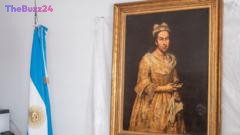
A significant late-baroque painting, stolen by the Nazis during World War II and recently discovered in Argentina, has been ordered by a court to be returned to the rightful heir of its original owner. The artwork, identified as “Portrait of a Lady,” was missing for approximately 80 years before resurfacing last year in photographs of a property for sale near Buenos Aires.
The painting was found in the home of Patricia Kadgien, whose father was a fugitive Nazi who had relocated to Argentina after the war. Kadgien and her husband have now agreed to relinquish the artwork, avoiding prosecution for its concealment. This resolution marks a crucial step in the ongoing effort to reclaim cultural heritage plundered during the Nazi era.
“Portrait of a Lady” was part of an extensive collection of over 1,000 artworks seized from Jewish art dealer Jacques Goudstikker following the Nazi invasion of the Netherlands in 1940. Goudstikker’s daughter-in-law and sole heir, Marei von Saher, has been dedicated to recovering the stolen pieces and restoring her family’s legacy. Von Saher plans to temporarily exhibit the painting at the Holocaust Museum of Buenos Aires to raise awareness about Nazi art theft.
The painting’s rediscovery occurred in August 2025 when it was spotted on an estate agent’s website in the coastal town of Mar del Plata, hanging in Kadgien’s living room. Her father, Friedrich Kadgien, had served as a high-ranking advisor to Hermann Göring, a prominent figure in the Nazi regime known for his extensive art plunder across Europe. The painting, also known as “Contessa Colleoni,” is attributed to Giuseppe Ghislandi, though some experts suggest it may be the work of Giacomo Ceruti, another artist of the same period.
Key Takeaways
- A Nazi-looted painting, "Portrait of a Lady," discovered in Argentina, must be returned to the heir of its original owner.
- The current possessors, Patricia Kadgien and her husband, agreed to return the artwork to avoid prosecution for concealment.
- The painting was part of a vast collection stolen from Jewish art dealer Jacques Goudstikker and is intended for exhibition at the Holocaust Museum of Buenos Aires.
Editor’s Analysis & Impact
This case highlights the persistent challenges in recovering art looted during the Nazi era, even decades after the war. The agreement reached in Argentina underscores the complex legal and ethical considerations involved in restitution. The heir’s intention to exhibit the painting serves as a powerful reminder of the atrocities committed and the importance of cultural heritage preservation. Such recoveries can also influence broader discussions on provenance research and the responsibility of individuals and institutions in handling potentially looted artifacts, potentially impacting the art market’s transparency and ethical standards.
Frequently Asked Questions
Q: What is the significance of the painting "Portrait of a Lady"?
A: The painting, attributed to either Giuseppe Ghislandi or Giacomo Ceruti, was part of a large collection looted by the Nazis from Jewish art dealer Jacques Goudstikker during World War II. Its recovery and return are significant for historical and cultural restitution efforts.
Q: What was the agreement reached in the court case?
A: Patricia Kadgien and her husband agreed to return the painting and donate 4.8 million pesos to local hospitals in exchange for the suspension of criminal proceedings against them for concealing the artwork.
Q: Who is Marei von Saher and what are her plans for the painting?
A: Marei von Saher is the daughter-in-law and sole heir of Jacques Goudstikker. She is committed to recovering all artworks stolen from her father-in-law's collection and intends to temporarily loan "Portrait of a Lady" to the Holocaust Museum of Buenos Aires for public exhibition.
AI Disclosure: This article is based on verified data and official reports. Our Team and AI have cross-referenced every financial detail with primary sources to ensure total accuracy.
More from this Category