Nebraska Ranchers Face Economic Squeeze: Rising Costs and Policy Pains Strain Trump Loyalists
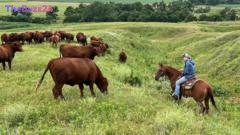
Ranchers across Nebraska are grappling with a confluence of economic challenges, including soaring operational costs and the impact of federal policies, leading some to question their long-standing political allegiances. Yvette Mannon, a rancher who acquired her Nebraska property in 2002, recently faced devastating losses from a wildfire that destroyed significant grazing land and fencing. The subsequent need for repairs, coupled with the necessity of daily hay deliveries due to damaged pastures, occurred at a time of historically high steel and diesel prices.
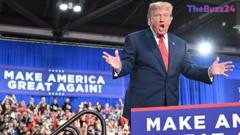
Adding to the strain, the U.S. administration’s decision to allow substantial imports of duty-free foreign beef, aimed at lowering consumer prices, directly impacted the market just as ranchers were preparing to sell their calves. This move, alongside other policy decisions, has led to a significant downturn in cattle prices, with many producers reporting substantial losses per head. The situation has created a sense of betrayal among some ranchers who supported the administration’s “Buy American” rhetoric.
The economic pressures are multifaceted. Beyond the direct impact of beef import policies, ranchers are contending with elevated costs for essential commodities like diesel and fertilizer, exacerbated by global events. Tariffs have also driven up the price of machinery, repairs, steel, and lumber. These combined factors have pushed many agricultural operations to the brink, forcing some to increase their lines of credit or reconsider long-held plans, such as passing family farms to the next generation.
While many in the agricultural community remain loyal to the administration, citing broader conservative values and a desire to cut government waste, the economic realities are prompting a re-evaluation. The frustration is palpable, with some expressing a desire for less government intervention in market dynamics. The upcoming elections may reflect this growing discontent, as farmers and ranchers navigate the complex interplay between their political beliefs and their livelihoods.
Key Takeaways
- Nebraska ranchers are facing significant financial hardship due to a combination of natural disasters, rising operational costs (fuel, steel, fencing), and federal policies.
- The U.S. administration's decision to import duty-free foreign beef has negatively impacted domestic cattle prices, causing financial losses for ranchers.
- Economic pressures are causing some long-time supporters of the current administration to reconsider their political allegiances, despite broader conservative values and loyalty.
Editor’s Analysis & Impact
This situation highlights a critical tension within the agricultural sector, particularly among those who have historically supported the current administration. The economic squeeze faced by Nebraska ranchers, driven by both external factors like global conflicts and internal policy decisions, demonstrates the complex and often contradictory impacts of trade and tariff policies. The administration’s attempt to lower consumer prices through beef imports has directly harmed domestic producers, creating a significant disconnect. This economic pain could translate into shifting political loyalties, especially in key agricultural states, underscoring the importance of agricultural policy in electoral outcomes. The long-term outlook suggests a continued need for stable, predictable policies that support domestic industries while managing consumer costs.
Frequently Asked Questions
Q: What factors are contributing to the rising costs for ranchers?
A: Ranchers are facing increased costs due to high prices for steel (affecting fencing and machinery), diesel fuel (impacted by global events), and fertilizer. Tariffs have also driven up the cost of machinery, repairs, steel, and lumber.
Q: How has the U.S. administration's beef import policy affected ranchers?
A: The administration's decision to allow significant imports of duty-free foreign beef, intended to lower consumer prices, has led to a sharp decline in domestic cattle market prices. This occurred during the crucial calf selling season, resulting in financial losses for many ranchers.
Q: Are ranchers reconsidering their political support due to these economic issues?
A: Yes, some ranchers who previously supported the administration are expressing frustration and a sense of betrayal due to the economic pressures and policy impacts. While many still hold conservative values, the financial strain is causing them to re-evaluate their political allegiances.
AI Disclosure: This article is based on verified data and official reports. Our Team and AI have cross-referenced every financial detail with primary sources to ensure total accuracy.
More from this Category