Nepal Army Launches Urgent Operations to Rescue Trapped Hydropower Workers Amid Devastating Floods
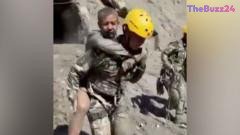
Military forces in Nepal have intensified rescue operations, successfully pulling survivors from a blocked tunnel at a major hydropower facility located in the Rasuwa district. Official statements and distributed media highlight the perilous conditions faced by rescue personnel, who had to navigate deep, dense layers of mud and debris to reach individuals cut off from the outside world.
Authorities report that over 100 people were initially estimated to be trapped inside the subterranean structure as extreme weather wreaked havoc across the region. This localized rescue effort forms a critical component of a nationwide emergency response following catastrophic flooding and landslides that have claimed numerous lives and left scores of individuals missing.
The ongoing disaster has severely impacted infrastructure and communities throughout the nation, prompting round-the-clock mobilization of emergency services. While recovery teams continue to comb through disaster zones, government officials are coordinating relief supplies and medical assistance for the displaced populations affected by the severe seasonal weather.
Key Takeaways
- The Nepali army successfully rescued survivors trapped inside a hydropower project tunnel in Rasuwa.
- More than 100 individuals were estimated to be trapped inside the tunnel following severe flooding.
- The operation is part of broader emergency efforts across Nepal responding to widespread floods and landslides.
Editor’s Analysis & Impact
The catastrophic flooding in Nepal highlights the growing vulnerability of critical infrastructure, particularly hydropower projects situated in mountainous, hazard-prone regions. As climate-induced extreme weather events become more frequent and severe, developing nations face mounting economic and humanitarian pressures to fortify essential utilities. This incident underscores the urgent need for enhanced early warning systems, robust structural engineering standards, and rapid-response protocols tailored for remote industrial sites. For the broader energy and construction sectors, these events serve as a stark reminder that geographical risk assessments must heavily factor in shifting weather patterns to protect both workforce safety and long-term capital investments.
Frequently Asked Questions
Q: Where did the tunnel rescue take place?
A: The rescue operation took place inside a tunnel at a hydropower project in the Rasuwa district of Nepal.
Q: How many people were estimated to be trapped inside the hydropower tunnel?
A: Official updates indicated that more than 100 people were estimated to have been trapped inside the tunnel.
Q: What caused the emergency situation in Nepal?
A: The emergency was triggered by severe flooding and landslides that affected hundreds of people across the country.
AI Disclosure: This article is based on verified data and official reports. Our Team and AI have cross-referenced every financial detail with primary sources to ensure total accuracy.
More from this Category