New York Implements Luxury ‘Pied-a-Terre’ Tax to Address Fiscal Shortfalls
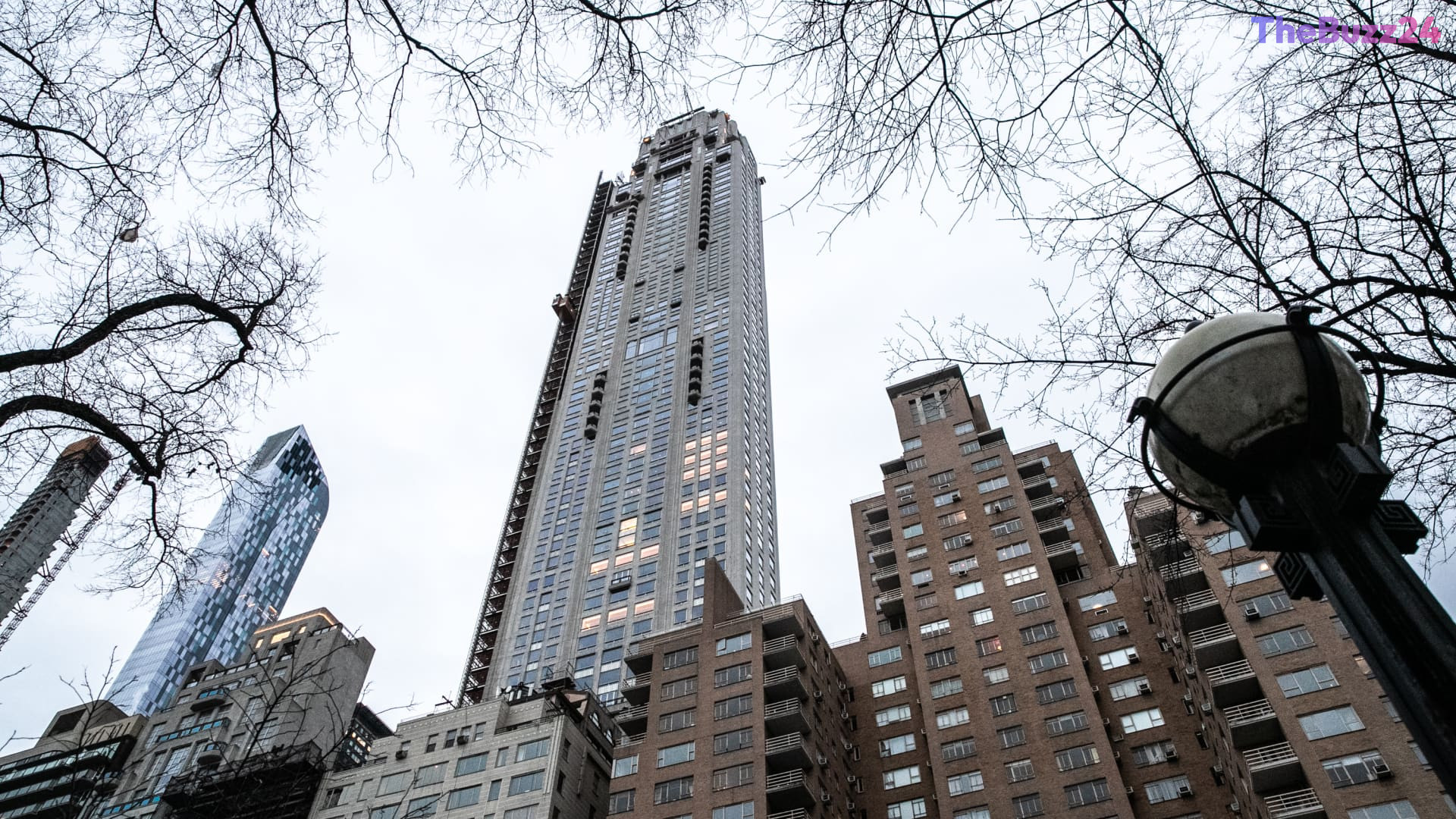
New York officials have enacted a new tax policy targeting non-primary residences, aiming to secure approximately $500 million in annual revenue to help bridge the city’s widening budget deficit. The legislation, commonly referred to as the ‘pied-a-terre’ tax, specifically impacts second homes and luxury condominiums with valuations exceeding $1 million. This move marks a significant shift in the city’s approach to property taxation as it seeks to stabilize its financial outlook.
The implementation of the tax will occur in two phases to accommodate shifts in property valuation methodologies. During the initial rollout for the 2026-2028 tax years, the levy will be based on current city assessments, with rates set at 4% for properties valued between $1 million and $3 million, scaling up to 6.5% for those worth more than $5 million. By the 2028-2029 tax year, the city will shift to a valuation model based on comparable sales. To account for the expected rise in assessed values under this new system, the tax rates will be recalibrated to a range between 0.8% and 1.3% for high-end properties.
The policy has ignited a fierce debate regarding the city’s economic future. Proponents argue the tax is a vital tool for fiscal responsibility, while critics, including prominent business leaders like Citadel CEO Ken Griffin, warn that the added financial burden could drive capital and jobs out of New York. Real estate analysts suggest that owners of ultra-luxury penthouses may face a tripling of their tax liabilities, raising concerns about the potential for market volatility and a cooling effect on the luxury real estate sector.
Key Takeaways
- New York has introduced a 'pied-a-terre' tax on non-primary residences valued at $1 million or more to generate $500 million for the city budget.
- The tax will transition from a current assessment model to a comparable sales valuation model by the 2028-2029 tax year.
- Business leaders and real estate experts warn that the tax could trigger a migration of wealth and jobs, potentially impacting the luxury property market.
Editor’s Analysis & Impact
The introduction of the ‘pied-a-terre’ tax represents a pivotal moment for New York’s fiscal policy, signaling a move toward aggressive wealth-based taxation to solve structural budget deficits. While the immediate revenue generation is clear, the long-term implications for the city’s status as a global financial hub remain uncertain. The friction between municipal leadership and the corporate sector highlights a growing tension in major metropolitan areas regarding the balance between social funding and business retention. If the tax leads to a significant exodus of high-net-worth individuals, the city may face a ‘Laffer Curve’ scenario where the tax base shrinks, ultimately undermining the intended revenue gains. Investors and developers should anticipate increased volatility in the luxury real estate segment as the market adjusts to these new, higher carrying costs.
Frequently Asked Questions
Q: Which properties are subject to the new pied-a-terre tax?
A: The tax applies to non-primary residences, such as second homes and luxury condos, that have a valuation of $1 million or more.
Q: How will the tax rates change after 2028?
A: Starting in the 2028-2029 tax year, the city will switch to a valuation system based on comparable sales, and tax rates will be adjusted downward to a range of 0.8% to 1.3% to account for higher property assessments.
AI Disclosure: This article is based on verified data and official reports. Our Team and AI have cross-referenced every financial detail with primary sources to ensure total accuracy.
More from this Category