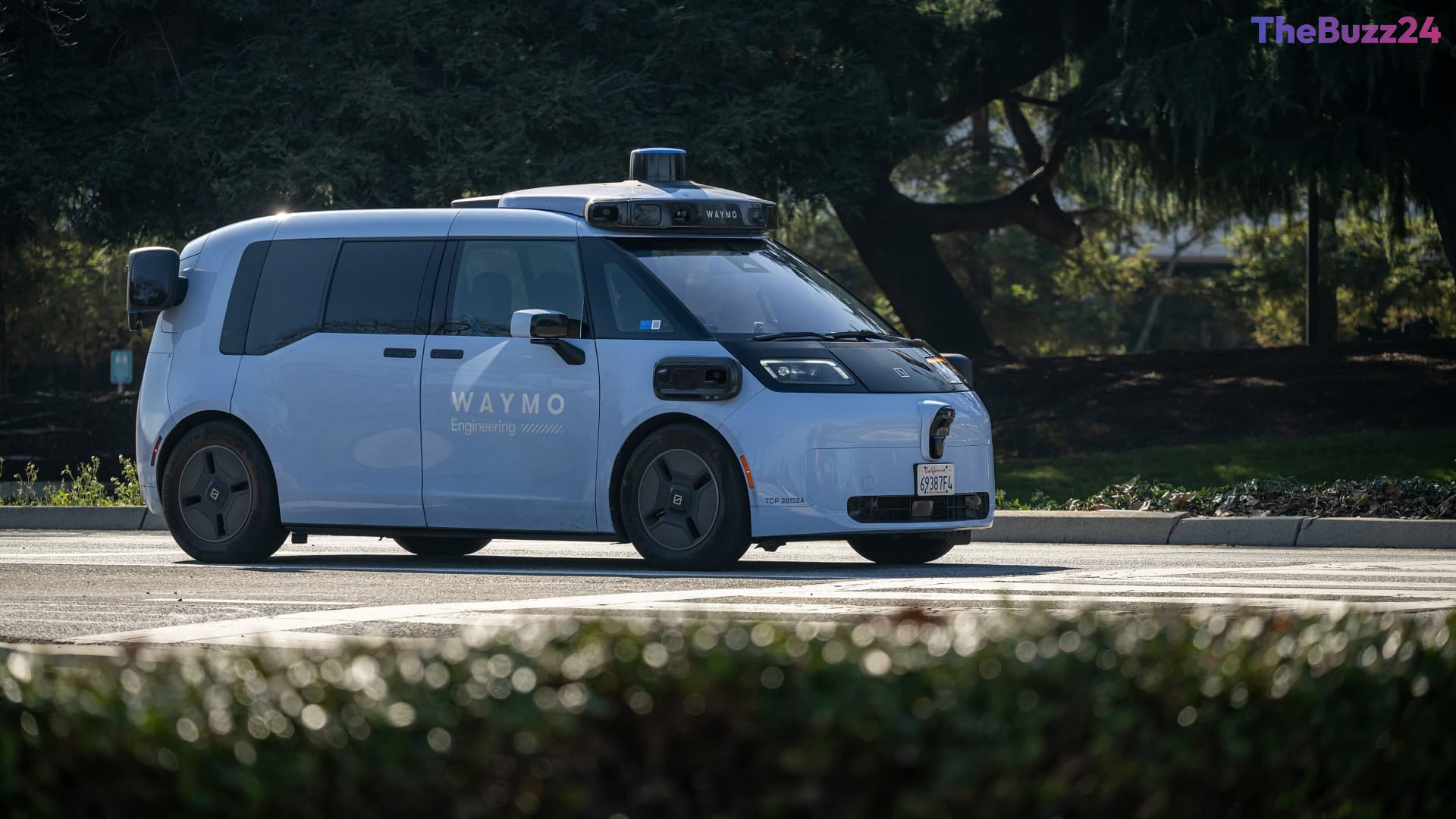
Waymo Accelerates Autonomous Expansion with Cost-Efficient ‘Ojai’ Robotaxi Fleet
Waymo is aggressively scaling its autonomous ride-hailing operations with the introduction of its sixth-generation vehicle, the Ojai. Designed to be more spacious and significantly cheaper to manufacture than its predecessors, the Ojai represents a pivotal shift in the company’s strategy to dominate the urban transportation market. The fleet is already active in San Francisco, Los Angeles, and Phoenix, with an ambitious roadmap to launch services in San Diego, Las Vegas, and Denver by this summer.
The Ojai model is powered by the latest iteration of the Waymo Driver, a sophisticated hardware and software suite developed in partnership with Geely. By optimizing sensor placement and reducing the total count of cameras and lidar units, the company has successfully lowered production costs without compromising safety. These vehicles are specifically engineered to handle adverse weather conditions, such as heavy rain and snow, and feature enhanced audio sensors capable of identifying emergency sirens more effectively than previous models.
To improve passenger comfort and trust, the Ojai features automatic doors and retains a physical steering wheel, a design choice intended to ease the transition for riders unfamiliar with fully autonomous transit. Looking toward the future, the company is experimenting with advanced AI integrations, including the potential use of Gemini to facilitate natural, conversational interactions between passengers and the vehicle. This expansion is bolstered by a recent $16 billion funding injection, which provides the necessary capital to pursue the company’s goal of reaching one million weekly autonomous trips by the end of the year, alongside a planned international debut in London.
Key Takeaways
- Waymo has launched its sixth-generation 'Ojai' robotaxi, which is cheaper to produce and more spacious than previous Jaguar-based models.
- The new fleet features enhanced sensor suites for better performance in extreme weather and improved emergency vehicle detection.
- The company is targeting a rapid expansion into new U.S. cities and London, supported by a recent $16 billion funding round.
Editor’s Analysis & Impact
Waymo’s transition to the Ojai platform marks a critical maturation phase for the autonomous vehicle industry. By prioritizing manufacturing efficiency and cost reduction, Waymo is moving away from the ‘luxury prototype’ phase and toward a scalable, mass-market utility model. The integration of advanced AI for passenger interaction suggests that the company is not just competing on navigation, but on the total user experience, which will be a key differentiator as ride-hailing becomes commoditized. While the company has faced regulatory hurdles and software recalls, the sheer scale of its recent funding and the aggressive deployment schedule indicate that investors remain confident in its path to profitability. The success of this rollout will likely set the benchmark for how quickly autonomous transit can achieve widespread public adoption and regulatory approval in global markets.
Frequently Asked Questions
Q: What makes the Ojai model different from previous Waymo vehicles?
A: The Ojai model is more cost-effective to manufacture, features a more spacious cabin, and utilizes a refined sensor suite that requires fewer cameras while maintaining high safety standards.
Q: Does the Ojai robotaxi have a steering wheel?
A: Yes, the Ojai retains a steering wheel, which designers included to help passengers feel more comfortable and secure during the transition to fully autonomous travel.
AI Disclosure: This article is based on verified data and official reports. Our Team and AI have cross-referenced every financial detail with primary sources to ensure total accuracy.
More from this Category