Nicaragua Moves to Permanently Exclude Opposition from Future Elections
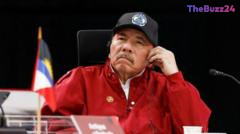
The Nicaraguan National Assembly is currently deliberating a legislative proposal that would effectively bar all opposition parties from participating in future electoral processes. This move follows a direct declaration from President Daniel Ortega, who recently stated that the opposition would no longer be permitted to compete for government power. The legislature is expected to hold a formal vote on the measure during the first week of August.
President Ortega, who has held power since 2007, framed the legislative push as a defensive measure against what he describes as foreign-backed interference. During a speech commemorating the 1979 Sandinista revolution, he accused opposition groups of conspiring to seize control with financial support from the United States. He emphasized that the new laws are intended to create an impenetrable barrier against these groups, ensuring they cannot gain a foothold in the country’s political landscape.
This development marks a significant escalation in the consolidation of power by Ortega and his wife, Rosario Murillo, whom he designated as ‘co-president’ in early 2025. The administration has already faced international scrutiny for its treatment of political rivals, many of whom have been jailed, stripped of their citizenship, or forced into exile. Critics, including exiled opposition figures, argue that these actions are a clear attempt to transform Nicaragua into a single-party state, mirroring the political structures of nations like Cuba and North Korea.
While international observers and foreign officials have condemned the move as a total abandonment of democratic pretense, the leadership of the National Assembly remains defiant. Gustavo Porras, the head of the legislative body, has publicly stated that the government is working to ensure there is no room left for the opposition to operate. With the presidential term recently extended to six years and the legal framework being tightened, the administration appears intent on eliminating any remaining avenues for political dissent.
Key Takeaways
- Nicaragua's National Assembly is voting on legislation to permanently ban opposition parties from future elections.
- President Daniel Ortega and co-president Rosario Murillo are consolidating power, framing the move as a defense against foreign-backed 'coup mongers'.
- The move follows years of systematic suppression, including the imprisonment and exile of political rivals and the extension of presidential terms.
Editor’s Analysis & Impact
The legislative move in Nicaragua represents the final stage in the dismantling of the country’s democratic institutions. By codifying the exclusion of opposition parties, the Ortega-Murillo administration is moving from informal authoritarianism to a formal, single-party state structure. Economically, this isolationist trajectory likely signals a continued reliance on a shrinking circle of international allies and a potential increase in sanctions, which may further destabilize the local economy. The long-term outlook suggests a high risk of internal instability, as the government’s refusal to allow peaceful political competition often forces dissent into more radical or underground channels. For the international community, this development effectively closes the door on diplomatic efforts to restore electoral integrity in the region, forcing a shift toward long-term containment and humanitarian focus.
Frequently Asked Questions
Q: What is the primary goal of the new legislation being debated in Nicaragua?
A: The legislation aims to legally bar opposition parties from participating in elections, effectively preventing them from challenging the current government for power.
Q: Who is Rosario Murillo in the context of the current Nicaraguan government?
A: Rosario Murillo is the wife of President Daniel Ortega and was named 'co-president' in February 2025, positioning her to assume the presidency should Ortega be unable to fulfill his duties.
AI Disclosure: This article is based on verified data and official reports. Our Team and AI have cross-referenced every financial detail with primary sources to ensure total accuracy.
More from this Category