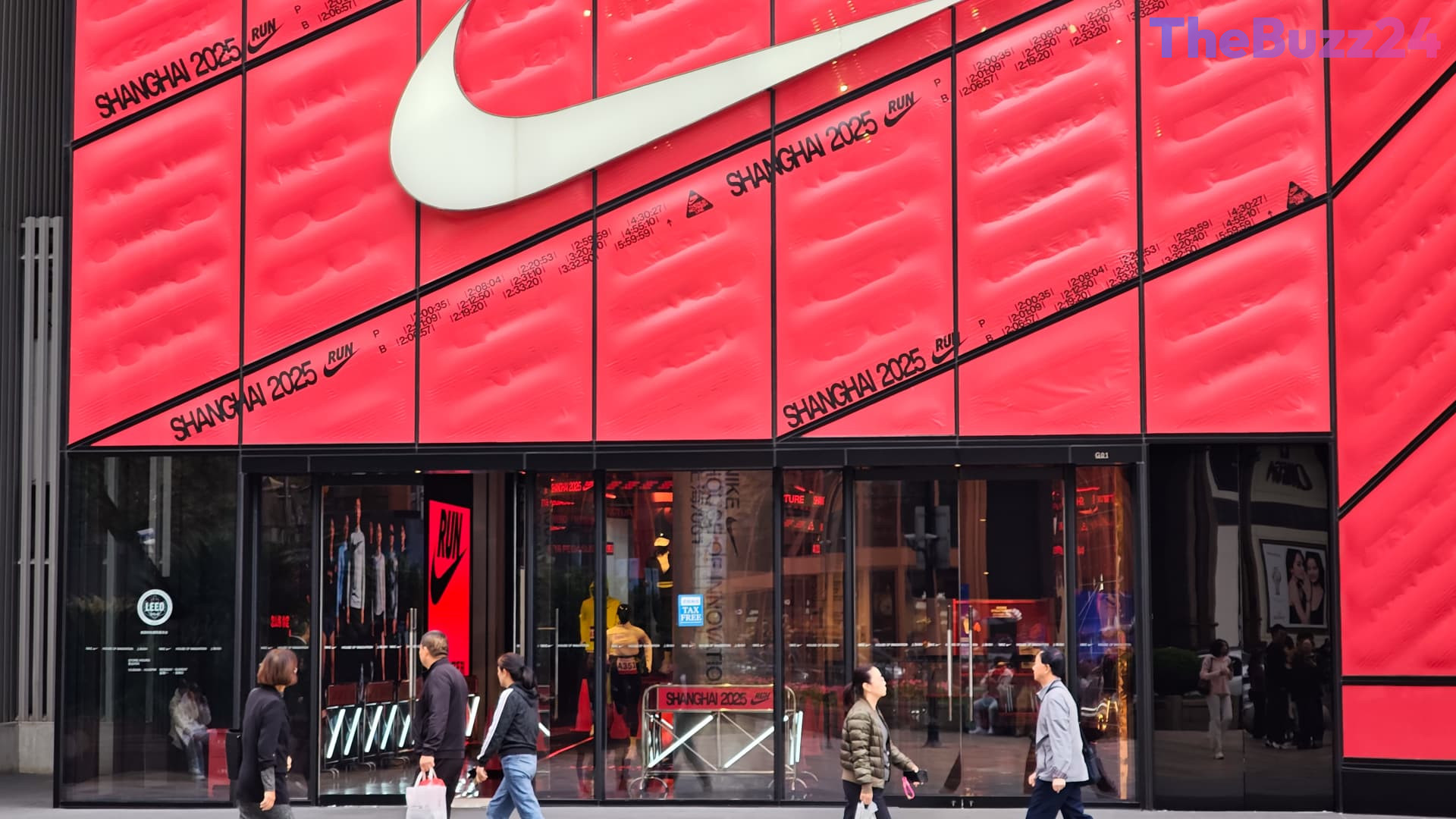
Nike Overhauls China Digital Strategy to Combat Market Fragmentation
Nike is set to implement a major restructuring of its digital operations in China, beginning in January. The sportswear giant plans to terminate its relationships with thousands of third-party online distributors, aiming to consolidate its digital presence and regain control over its brand image and pricing structures. By narrowing its online footprint, the company intends to transition toward a more direct-to-consumer model that prioritizes its own website, mobile app, and official flagship stores on major platforms like Tmall, JD.com, and Douyin.
For years, Nike’s products have been available through a sprawling network of secondary online storefronts and brick-and-mortar partners. While this approach initially facilitated widespread product access, it ultimately resulted in a fragmented consumer experience characterized by inconsistent branding and pricing volatility. Company leadership emphasized that the shift is not intended to reduce product availability, but rather to streamline the shopping journey and ensure that every digital touchpoint reflects the premium nature of the Nike brand.
While the move is designed to foster a healthier, more sustainable retail ecosystem in the long term, it carries significant risks. Analysts have expressed concern that the strategy could lead to a further decline in regional revenue, particularly as the company navigates a challenging economic environment in China. Despite these concerns, major partners like Topsports have publicly backed the transition, acknowledging that while the change may create short-term pressure, it is a necessary step toward stabilizing the brand’s market position and improving overall consumer engagement.
Key Takeaways
- Nike is cutting ties with thousands of third-party online distributors in China to centralize its digital sales channels.
- The strategy aims to eliminate brand fragmentation and regain control over pricing and the consumer experience.
- Major retail partner Topsports has expressed support for the move, despite anticipating short-term financial pressure.
Editor’s Analysis & Impact
Nike’s decision to consolidate its digital footprint in China represents a high-stakes pivot toward brand control at the expense of immediate distribution volume. By moving away from a fragmented network of secondary sellers, Nike is attempting to replicate a direct-to-consumer model that has seen mixed results in other global markets. The primary risk is that by removing third-party access, the company may inadvertently cede market share to agile local competitors who are more than willing to fill the void. Furthermore, if the underlying issue is a lack of product innovation rather than distribution logistics, this restructuring may fail to reverse the regional sales decline. The long-term success of this strategy hinges on whether Nike can leverage its flagship digital platforms to create enough brand equity to offset the loss of its extensive, albeit messy, distribution network.
Frequently Asked Questions
Q: Why is Nike cutting off thousands of online distributors in China?
A: Nike aims to reduce market fragmentation, ensure consistent branding and pricing, and create a more direct, elevated consumer experience through its own channels and official flagship stores.
Q: How will this change affect Nike's brick-and-mortar partners?
A: While the move primarily targets online distribution, it will impact brick-and-mortar partners who have relied on online sales to grow their businesses. However, major partners like Topsports have stated they will continue to focus on physical retail operations and local market development in collaboration with Nike.
AI Disclosure: This article is based on verified data and official reports. Our Team and AI have cross-referenced every financial detail with primary sources to ensure total accuracy.
More from this Category