Northeast Region Inundated: Flash Floods Disrupt Travel and Events Across New York, New Jersey, and Connecticut
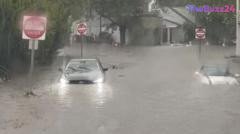
Parts of the tri-state area, encompassing New York, New Jersey, and Connecticut, recently experienced severe flash flooding, leading to widespread disruption and emergency responses. The sudden deluge resulted in numerous water rescues, left motorists stranded on submerged roads, and even saw participants in a half-marathon struggling through waist-deep floodwaters.
The intense rainfall quickly overwhelmed drainage systems, transforming streets into rivers and creating hazardous conditions across the affected regions. Emergency services were stretched thin, responding to calls for assistance from individuals trapped in their vehicles and homes.
Connecticut officials reported particularly extreme conditions, with some areas of the state receiving as much as seven inches of rain in a remarkably short period. This rapid accumulation of water underscored the severity of the weather event and the immediate challenges it posed to residents and infrastructure.
Key Takeaways
- Flash flooding severely impacted parts of New York, New Jersey, and Connecticut.
- The severe weather led to numerous water rescues, stranded motorists, and significant disruptions to daily life.
- A half-marathon was interrupted, with runners navigating waist-deep floodwaters, following up to seven inches of rain in some areas.
Editor’s Analysis & Impact
This event highlights the increasing vulnerability of urban and suburban infrastructure to extreme weather phenomena. The rapid accumulation of up to seven inches of rain in a short period underscores the challenges faced by current drainage systems, which are often not designed for such intense downpours. The disruption of a public event like a half-marathon, alongside widespread travel chaos, points to the broader economic and social costs of climate-related incidents. Moving forward, communities in the Northeast and similar regions must prioritize investments in resilient infrastructure, improved early warning systems, and comprehensive emergency response plans to mitigate the impact of future severe weather events. This incident serves as a stark reminder of the urgent need for climate adaptation strategies.
Frequently Asked Questions
Q: Which states were primarily affected by the flash flooding?
A: The flash flooding primarily impacted parts of New York, New Jersey, and Connecticut.
Q: What were some of the immediate consequences of the flooding?
A: Immediate consequences included numerous water rescues, motorists becoming stranded, and a half-marathon being interrupted as runners encountered waist-deep floodwaters.
Q: How much rain fell in the most affected areas?
A: Officials in Connecticut reported that some parts of the state experienced up to seven inches of rain in a very short duration.
AI Disclosure: This article is based on verified data and official reports. Our Team and AI have cross-referenced every financial detail with primary sources to ensure total accuracy.
More from this Category