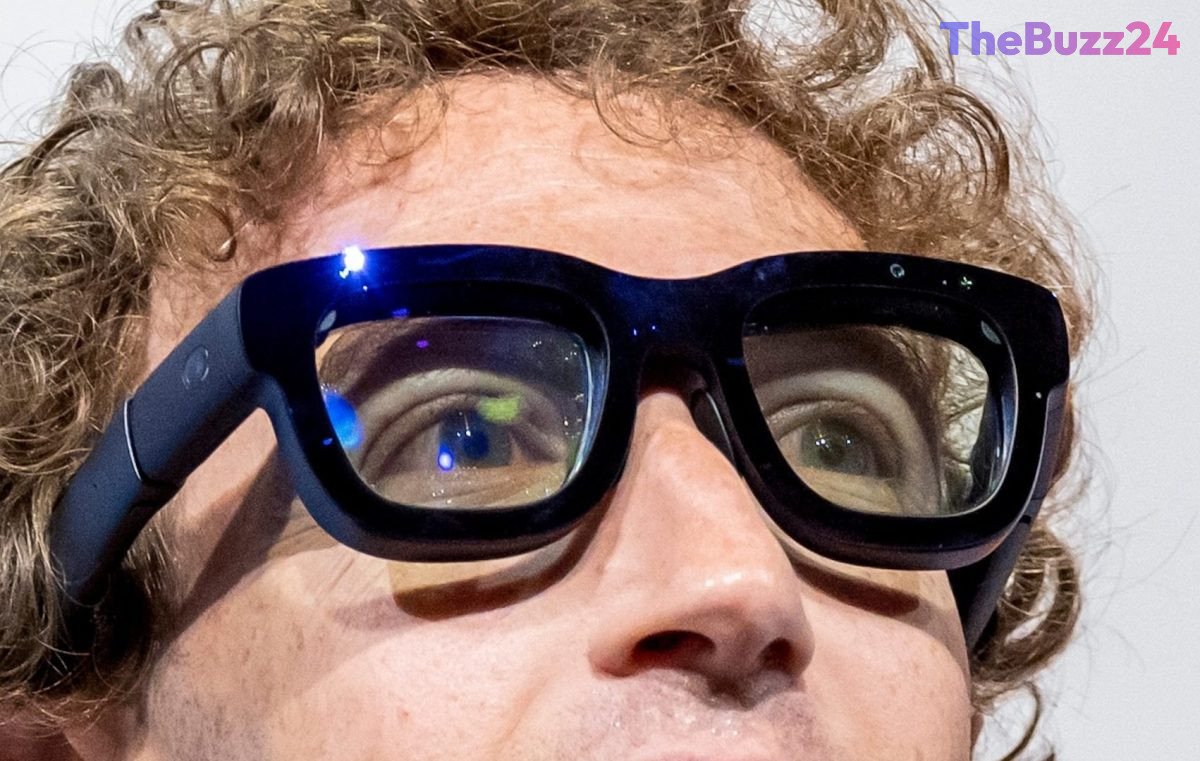
Norway Weighs Ban on Camera-Equipped Wearables Amid Escalating Privacy Concerns
Norway is actively considering a prohibition on smart glasses and other wearable headsets equipped with cameras, as the nation seeks to establish regulations for this contentious technology due to significant privacy concerns.
Karianne Tung, Norway’s digital minister, has indicated that the government is exploring ways to regulate the use of camera-enabled wearables, including devices manufactured by companies such as Meta and Snap. These advanced gadgets often feature integrated cameras, internet connectivity, and the potential for future facial recognition capabilities. Such features have drawn sharp criticism from civil liberties advocates, who argue that these devices pose a serious threat to individual privacy and could facilitate unwanted surveillance. The public discourse has even led some to label these devices as “pervert glasses,” reflecting considerable consumer apprehension.
Minister Tung highlighted a discernible trend towards integrating artificial intelligence with cameras and microphones embedded in everyday items like glasses, headphones, and hats. She emphasized the critical need to prevent these tools from being exploited for monitoring individuals in public spaces. This preventative measure could extend to banning the use of facial recognition technology on other people in public settings.
To address these complex issues, Tung plans to convene a group of experts. This advisory body will be tasked with providing recommendations to the government on how best to safeguard citizens’ privacy rights in an increasingly connected and technologically advanced world.
Key Takeaways
- Norway is considering a ban on camera-enabled wearable devices like smart glasses due to escalating privacy concerns.
- Digital Minister Karianne Tung highlights the growing trend of integrating AI with cameras and microphones in everyday objects, raising fears of public monitoring.
- The government aims to prevent surveillance in public spaces and may specifically ban facial recognition, forming an expert group to advise on privacy protection.
Editor’s Analysis & Impact
Norway’s contemplation of a ban on camera-equipped wearables signals a growing global scrutiny of emerging technologies and their privacy implications. This move could set a precedent, influencing regulatory discussions in other nations with strong privacy frameworks. For manufacturers like Meta and Snap, it underscores the necessity of prioritizing ‘privacy-by-design’ principles and potentially developing region-specific product features. The broader implications extend beyond smart glasses, impacting the development and adoption of all AI-integrated IoT devices. This regulatory push reflects a societal demand for greater control over personal data and public surveillance, likely shaping future legislation on AI ethics and smart city initiatives worldwide. The industry will need to adapt to a potentially fragmented regulatory landscape.
Frequently Asked Questions
Q: Why is Norway considering a ban on camera-enabled wearable devices?
A: Norway is concerned about the privacy implications of these devices, particularly their potential for public monitoring and the integration of artificial intelligence and facial recognition technology, which could infringe upon individual privacy rights.
Q: Which types of devices are specifically targeted by these potential regulations?
A: The proposed regulations are aimed at smart glasses and other camera-enabled wearable headsets, with specific mention of products from companies like Meta and Snap.
Q: What is the Norwegian government's ultimate goal with these considerations?
A: Digital Minister Karianne Tung's primary goal is to prevent the use of such equipment for monitoring people in public places and to enhance the protection of citizens' privacy rights, potentially including a ban on facial recognition of others in public settings.
AI Disclosure: This article is based on verified data and official reports. Our Team and AI have cross-referenced every financial detail with primary sources to ensure total accuracy.
More from this Category