Nvidia and SK Group Set to Unveil Strategic Partnership Amid Warnings of Prolonged Global Chip Shortage
Nvidia and South Korean conglomerate SK Group are preparing to unveil a major collaborative initiative, solidifying their partnership as the global demand for artificial intelligence and advanced computing hardware continues to surge. Nvidia Chief Executive Jensen Huang and SK Group Chairman Chey Tae-won are scheduled to brief the media on the details of this alliance, which aims to address critical bottlenecks in the technology supply chain.
Speaking on the sidelines of the upcoming announcement, Huang offered a sobering outlook on the global semiconductor industry, warning that the current memory chip shortage is far from over. He projected that supply constraints would persist for several years, driven by unprecedented demand across all sectors of the supply chain, including silicon wafers, advanced packaging, and silicon photonics. According to Huang, the rapid expansion of AI supercomputers, CPUs, next-generation PCs, and robotics is outpacing the industry’s manufacturing capacity.
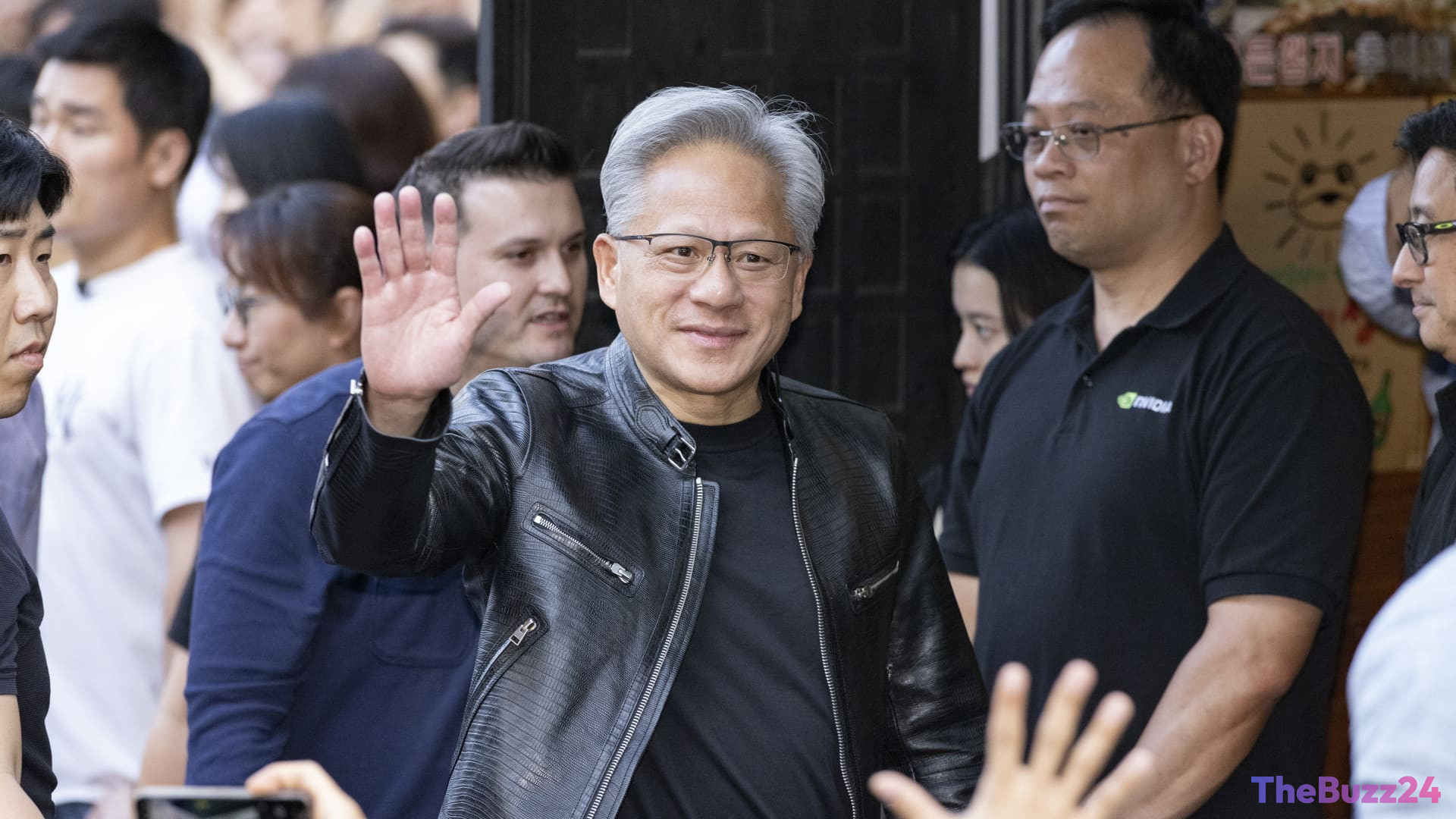
The high-stakes discussions took place in a relaxed setting in Seoul, where Huang met with Chey, SK Hynix CEO Kwak Noh-jung, and other top executives over a traditional South Korean meal of fried chicken and beer. This informal gathering underscored the close relationship between the two tech giants, as SK Hynix remains a vital supplier of high-bandwidth memory (HBM) chips, which are essential for powering Nvidia’s industry-leading AI processors.
Key Takeaways
- Nvidia and SK Group are announcing a major cooperation agreement to address high-performance computing and AI demands.
- Nvidia CEO Jensen Huang warns that the global semiconductor and memory shortage will persist for several years due to supply chain constraints.
- The partnership highlights the critical role of SK Hynix as a key supplier of high-bandwidth memory (HBM) for Nvidia's AI hardware.
Editor’s Analysis & Impact
The deepening alliance between Nvidia and SK Group highlights the critical vulnerabilities and strategic dependencies within the global artificial intelligence ecosystem. As Nvidia dominates the market for AI graphics processing units (GPUs), its reliance on SK Hynix for high-bandwidth memory (HBM) has become a focal point of its supply chain strategy. Jensen Huang’s warning of a multi-year shortage across wafers, packaging, and silicon photonics suggests that hardware availability will remain the primary bottleneck for AI expansion. For investors and enterprises, this means chip pricing will likely remain elevated, and tech firms must secure long-term supply agreements to avoid project delays. This partnership not only secures Nvidia’s supply pipeline but also cements SK Hynix’s position as an indispensable player in the global AI race, potentially shifting the competitive dynamics against rivals like Samsung.
Frequently Asked Questions
Q: Why is there a shortage of memory chips?
A: The shortage is driven by an unprecedented surge in demand for AI supercomputers, CPUs, next-generation PCs, and robotics, which has overwhelmed the entire semiconductor supply chain, from silicon wafers to advanced packaging.
Q: What is the significance of the partnership between Nvidia and SK Group?
A: The partnership strengthens the supply chain link between Nvidia, the leading AI chipmaker, and SK Hynix, a premier manufacturer of high-bandwidth memory (HBM) chips essential for running complex AI workloads.
Q: How long is the chip shortage expected to last?
A: Nvidia CEO Jensen Huang estimates that the supply constraints across the semiconductor industry will persist for several years.
AI Disclosure: This article is based on verified data and official reports. Our Team and AI have cross-referenced every financial detail with primary sources to ensure total accuracy.
More from this Category