Nvidia Board Firmly Rejects Jensen Huang’s CEO Return Amid Ongoing Probes
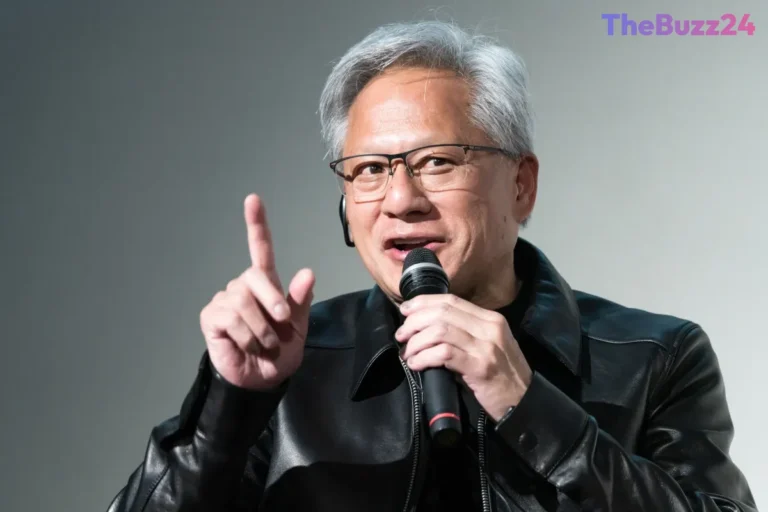
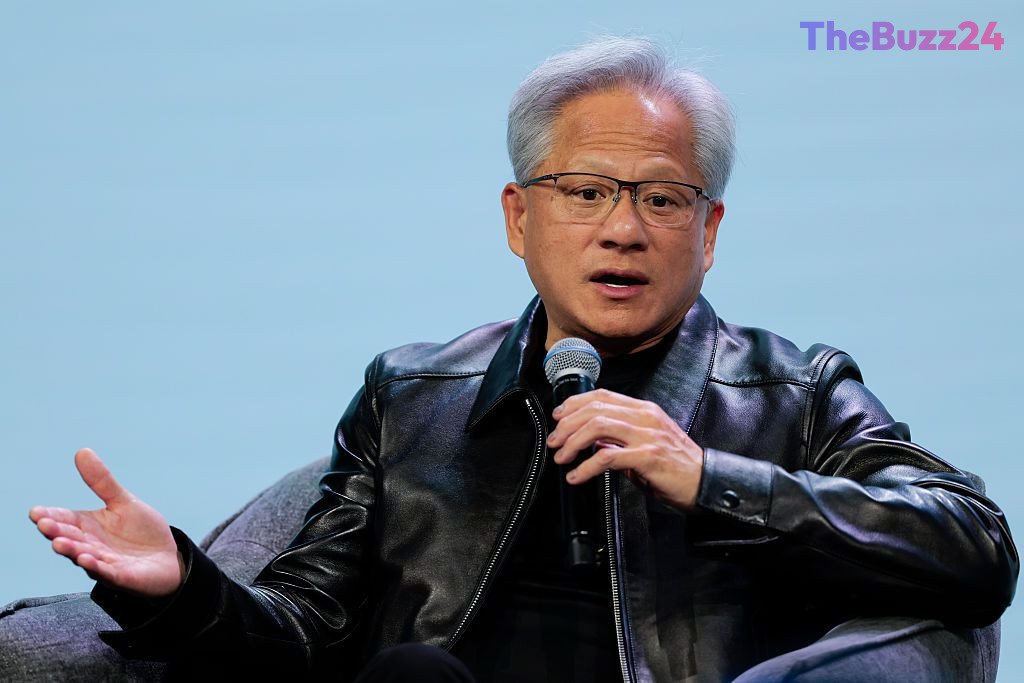
Nvidia’s board of directors has unequivocally stated its refusal to reinstate founder and former CEO Jensen Huang, despite his recent public offer to reclaim the top leadership position. During the company’s latest earnings call, Chairman Harvey C. Jones informed listeners that the board had unanimously accepted Huang’s resignation and had no intention of considering his return. This decision follows Huang’s departure last week under a cloud of controversy.
Huang had taken to social media platform X to express his willingness to return, citing an “outpouring of calls” from various stakeholders, including employees, investors, and business partners. He indicated that he would be “honored to answer these calls” if the board deemed his return beneficial for the company and its shareholders. However, his resignation on November 12 was prompted by disclosures of personal behavior deemed inconsistent with Nvidia’s code of conduct, standards, and cultural norms.
The revelations included multiple extramarital affairs, notably one with Alice Huang, a former Megaspeed executive who has been accused of being a Chinese intelligence agent. Critics have voiced concerns that this relationship might have influenced Nvidia’s business dealings with China, a critical market for the chipmaker. U.S. intelligence officials have reportedly expressed suspicions regarding Alice Huang’s alleged ties to China’s Ministry of State Security. The unfolding situation has sent ripples through the technology industry, particularly as Nvidia plays a crucial role in the rapidly evolving artificial intelligence sector. The company’s board has launched an independent investigation into Huang’s activities, and the U.S. Securities and Exchange Commission (SEC) has also initiated a probe into Nvidia. Colette Kress, the company’s chief financial officer and executive vice president, is currently serving as interim CEO while the board evaluates both internal and external candidates for a permanent replacement.
Key Takeaways
- Nvidia's board has definitively rejected Jensen Huang's offer to return as CEO, confirming his resignation is final.
- Huang's departure stemmed from personal conduct issues, including alleged ties to a suspected Chinese intelligence agent, raising concerns about Nvidia's China dealings.
- The situation has triggered internal and external investigations, including an SEC probe, with Colette Kress serving as interim CEO while a permanent replacement is sought.
Editor’s Analysis & Impact
The definitive rejection of Jensen Huang’s return as CEO introduces a period of significant leadership transition for Nvidia, a company at the forefront of the AI revolution. This uncertainty could impact investor confidence and potentially create opportunities for competitors in the highly competitive chip market. The ongoing internal and SEC investigations, particularly concerning alleged ties to a Chinese intelligence agent, raise serious questions about corporate governance, executive oversight, and the potential for national security implications in critical technology sectors. Nvidia must swiftly appoint a permanent CEO who can restore stability and trust. This incident also underscores the increasing scrutiny on the personal conduct of high-profile executives, especially those operating in geopolitically sensitive industries, potentially leading to more stringent background checks and compliance measures across the tech industry.
Frequently Asked Questions
Q: Who is currently leading Nvidia?
A: Colette Kress, who also serves as Nvidia's chief financial officer and executive vice president, is currently the interim CEO. The board is actively searching for a permanent replacement, considering both internal and external candidates.
Q: What are the implications of the alleged ties to a Chinese intelligence agent?
A: The alleged ties raise concerns about potential influence on Nvidia's business dealings with China and have prompted investigations by Nvidia's board and the U.S. Securities and Exchange Commission (SEC). This situation highlights broader national security implications for U.S. technology companies operating in sensitive international markets.
AI Disclosure: This article is based on verified data and official reports. Our Team and AI have cross-referenced every financial detail with primary sources to ensure total accuracy.
More from this Category