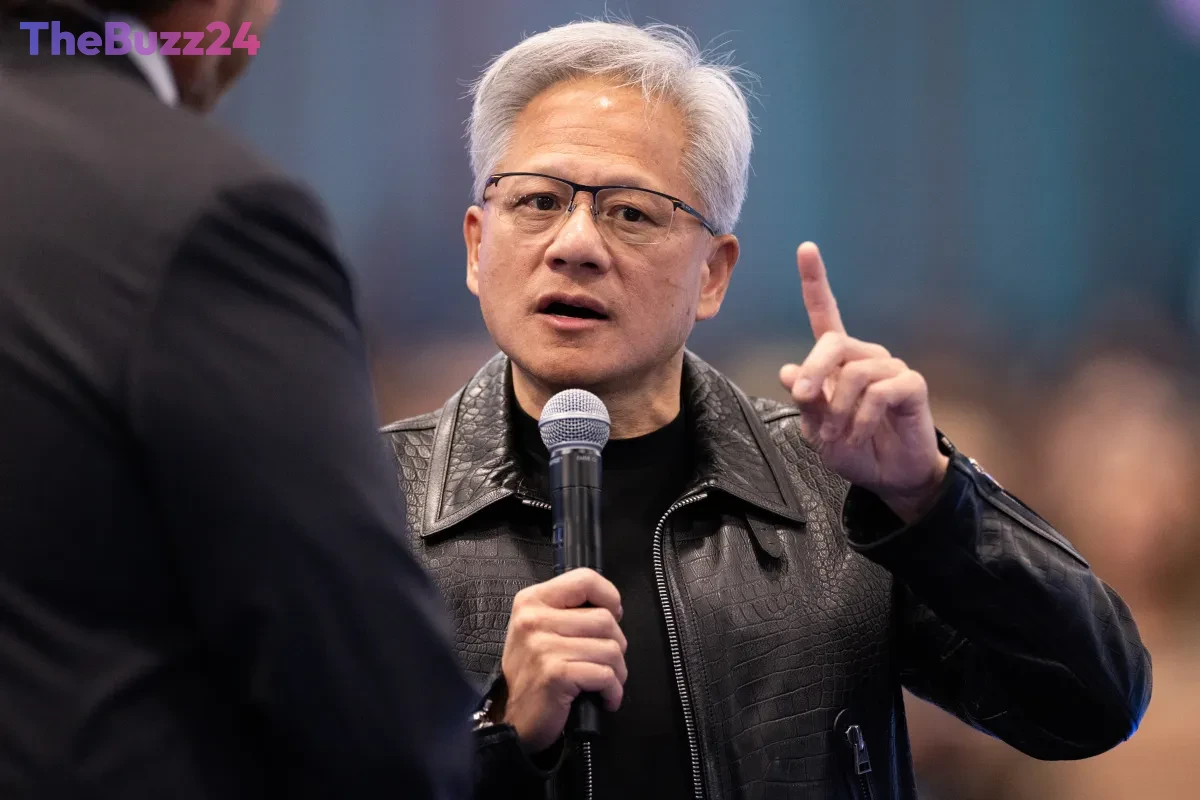
Nvidia CEO Jensen Huang Resigns Amid Investigations, Shaking AI Industry Foundations
Nvidia’s long-time CEO, Jensen Huang, has resigned from his position following investigations into alleged affairs, sending ripples through the global artificial intelligence sector. The sudden departure, which caught many by surprise, has raised significant questions about the future leadership of the chip giant and its substantial influence over the burgeoning AI economy.
Sources indicate that the investigations stemmed from reports of an affair with a former executive at an Nvidia customer, Megaspeed, who allegedly has ties to Chinese intelligence. A second reported affair with an Nvidia executive also came to light, prompting the board to launch an inquiry. While initial reports suggested the board maintained faith in Huang, subsequent revelations and the accelerating pace of the scandal led to his resignation. Collette Kress, Nvidia’s CFO, has stepped in as interim CEO, a move analysts suggest signals a period of cost management and strategic recalibration as the company navigates this leadership transition.
The implications of Huang’s exit extend far beyond Nvidia’s corporate structure. Huang has been a pivotal figure in the AI revolution, with Nvidia’s high-performance GPUs forming the backbone of most AI development. The company’s significant investments in AI startups, including major players like OpenAI and Anthropic, have cemented its role in what is often described as an ‘AI circular economy.’ The potential for a shift in Nvidia’s strategic direction or a temporary pullback in its aggressive investment strategy could have dramatic repercussions for the entire AI ecosystem, impacting everything from research and development to the deployment of AI technologies globally.
Furthermore, Huang’s advocacy for loosening chip export restrictions to China has been a point of contention, raising national security concerns among some policymakers. His departure may lead to a re-evaluation of these policies, potentially altering the geopolitical landscape of AI development and access to critical semiconductor technology. The industry now watches closely to see how Nvidia, under new interim leadership, will manage its vast portfolio and maintain its dominant position in the AI hardware market.
Key Takeaways
- Nvidia CEO Jensen Huang has resigned following investigations into alleged affairs.
- Huang's departure raises concerns about the future leadership and strategic direction of Nvidia, a key player in the AI industry.
- The resignation could have significant repercussions for the broader AI ecosystem due to Nvidia's dominant market share and substantial investments in AI startups.
Editor’s Analysis & Impact
Jensen Huang’s resignation marks a pivotal moment for Nvidia and the AI industry. As the architect of Nvidia’s dominance in AI hardware, his departure creates a leadership vacuum that could impact the company’s aggressive investment strategy and its role in fostering the AI ecosystem. The interim CFO taking the helm suggests a focus on financial stability, but the long-term implications for innovation and market leadership remain uncertain. The geopolitical dimension, particularly concerning chip exports to China, adds another layer of complexity. This transition period will be critical in determining whether Nvidia can maintain its momentum and continue to be the foundational pillar of AI development, or if competitors will seize the opportunity to gain ground.
Frequently Asked Questions
Q: Why did Jensen Huang resign as CEO of Nvidia?
A: Jensen Huang resigned following investigations into alleged affairs, including one with a former executive at an Nvidia customer with alleged ties to Chinese intelligence, and another with an Nvidia executive.
Q: Who is the interim CEO of Nvidia?
A: Nvidia's Chief Financial Officer, Collette Kress, has been appointed as the interim CEO.
Q: What is the potential impact of Huang's resignation on the AI industry?
A: Huang's resignation could significantly impact the AI industry due to Nvidia's dominant position in the AI GPU market and its substantial investments in AI startups. His departure may lead to shifts in strategy, investment, and potentially influence policies regarding chip exports, affecting the pace and direction of AI development globally.
AI Disclosure: This article is based on verified data and official reports. Our Team and AI have cross-referenced every financial detail with primary sources to ensure total accuracy.
More from this Category