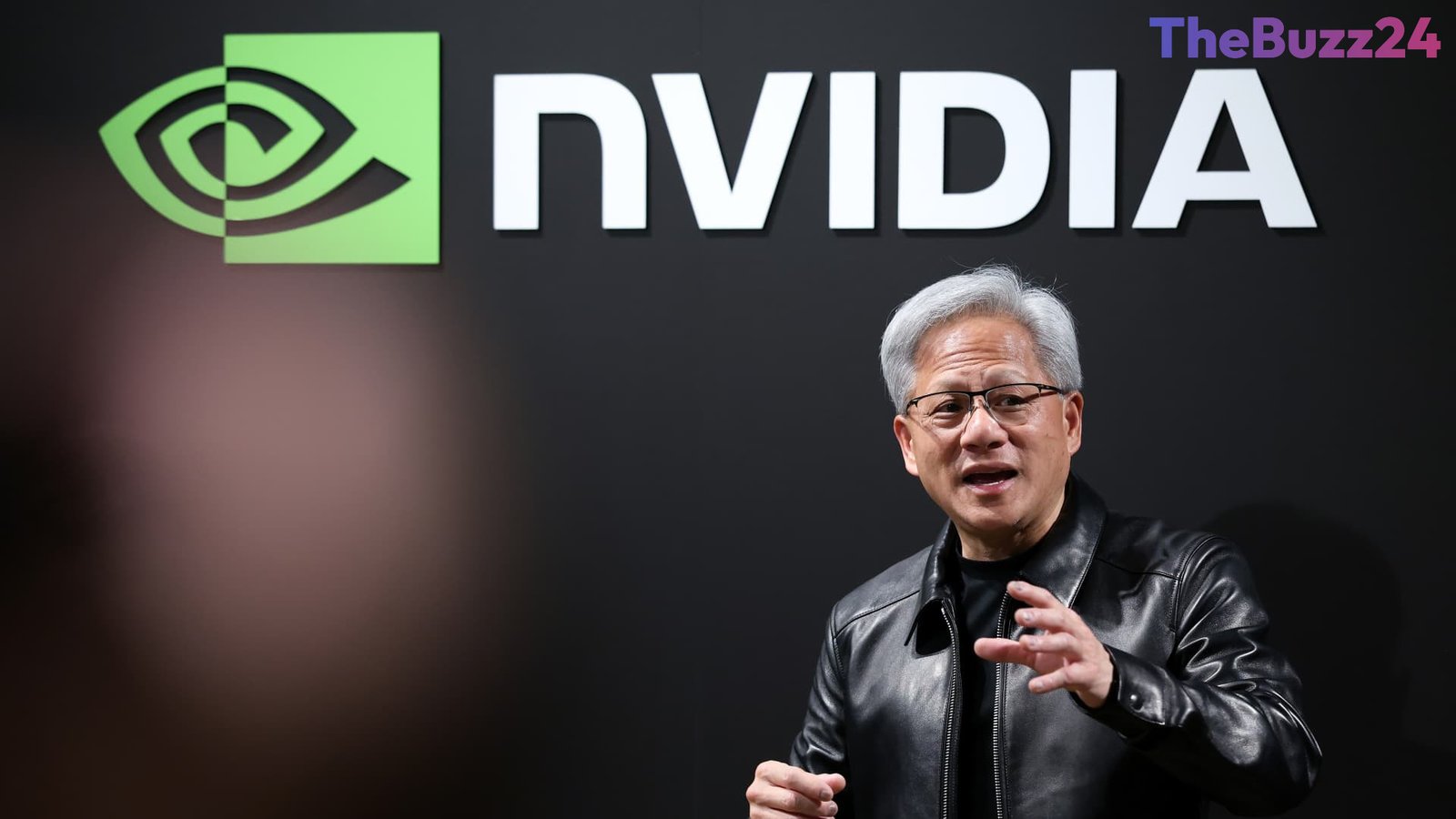
Nvidia Set to Implement 15% Price Hike on Next-Gen AI Servers
Semiconductor giant Nvidia is preparing to implement significant price increases for its high-performance artificial intelligence servers, targeting some of its largest enterprise clients. The price adjustments, which are expected to exceed 15% in many instances, will impact upcoming shipments scheduled for early next year. This move highlights the growing financial pressures within the rapidly expanding AI hardware supply chain.
The price hikes will primarily affect servers integrated with Nvidia’s cutting-edge AI chips, including the highly anticipated Vera Rubin and Grace Blackwell architectures. Industry insiders indicate that the exact pricing adjustments will vary depending on the specific chip generation and memory configurations selected by customers. As tech giants race to build out their AI infrastructure, these increased costs could significantly impact capital expenditure budgets across the tech sector.
The decision to raise prices comes as Nvidia grapples with escalating manufacturing costs, particularly regarding high-bandwidth memory chips. These specialized memory components are critical for the performance of Nvidia’s graphics processing units (GPUs) and broader computing systems. By passing these rising production costs onto its major customers, Nvidia aims to maintain its robust profit margins amid tightening supply chain dynamics.
Key Takeaways
- Nvidia plans to raise prices by at least 15% for its largest customers on servers featuring next-generation AI chips.
- The price increases, affecting architectures like Vera Rubin and Grace Blackwell, are slated to take effect on shipments starting early next year.
- The price adjustments are driven by the soaring costs of essential high-bandwidth memory chips required for Nvidia's advanced GPU systems.
Editor’s Analysis & Impact
Nvidia’s decision to raise prices by 15% underscores its immense pricing power and near-monopoly status in the AI hardware market. Despite the steep increase, demand for Nvidia’s state-of-the-art Grace Blackwell and Vera Rubin architectures is expected to remain exceptionally high as tech giants continue their aggressive AI infrastructure buildouts. However, this move will inevitably inflate capital expenditures for major cloud providers and AI developers, potentially squeezing their margins or forcing them to pass costs down to end-users. Furthermore, it highlights a critical vulnerability in the AI supply chain: the rising cost and limited supply of high-bandwidth memory (HBM). In the long term, these price hikes may accelerate efforts by competitors like AMD and custom silicon initiatives by tech giants to find more cost-effective alternatives.
Frequently Asked Questions
Q: Which Nvidia products will be affected by the price increase?
A: The price hikes will impact servers containing Nvidia's advanced AI chips, specifically including the Grace Blackwell and Vera Rubin architectures, with final pricing depending on memory configurations and chip generation.
Q: When will the new pricing take effect?
A: The price increases are expected to apply to systems and servers shipped early next year.
Q: Why is Nvidia raising prices for its AI hardware?
A: The price adjustments are primarily driven by the escalating costs of high-bandwidth memory chips, which are crucial components for Nvidia's high-performance GPUs and server systems.
AI Disclosure: This article is based on verified data and official reports. Our Team and AI have cross-referenced every financial detail with primary sources to ensure total accuracy.
More from this Category