Paramount and California Officials Engage in Critical Talks Over Warner Bros. Discovery Merger Lawsuit
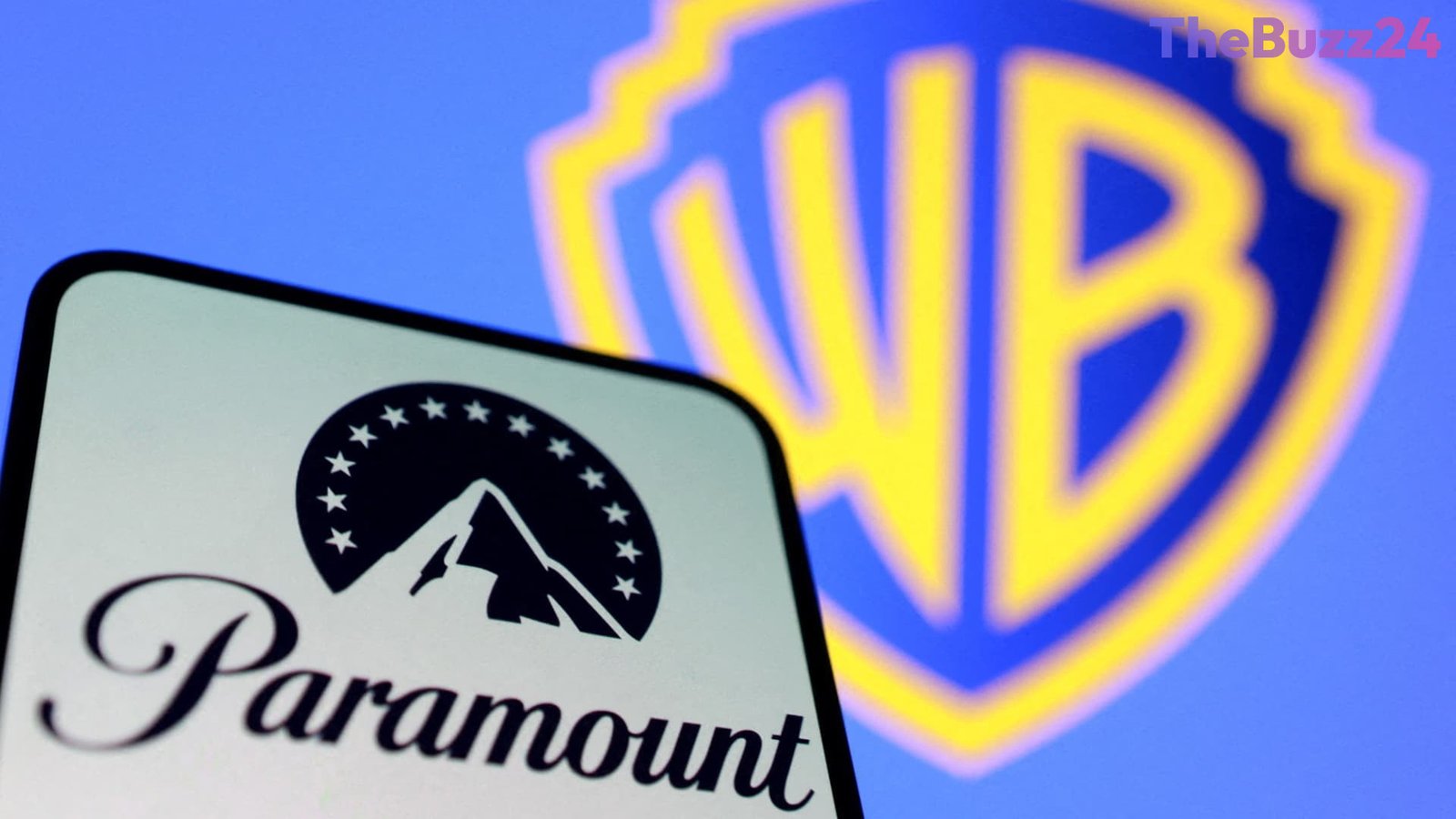
Representatives from Paramount Skydance and the State of California are scheduled to convene for discussions aimed at potentially settling the significant antitrust lawsuit that seeks to prevent Paramount’s proposed acquisition of Warner Bros. Discovery. The outcome of these high-stakes negotiations remains uncertain, with no guarantees that a resolution will be reached.
The legal challenge was initiated in July by California Attorney General Rob Bonta, alongside 11 other state attorneys general. They argue that the proposed $110 billion merger, which would combine two of Hollywood’s most iconic film studios and streaming platforms like Paramount+ and HBO Max, would lead to reduced competition, higher prices, lower quality content, and ultimately harm consumers, movie theaters, and basic cable distributors. Bonta has emphasized the need for “robust structural remedies” to address the antitrust concerns, focusing on specific market violations rather than broader streaming or international regulatory issues.
Pressure for a settlement has intensified in recent weeks, with prominent figures such as California Governor Gavin Newsom, Los Angeles Mayor Karen Bass, and the Directors’ Guild of America publicly advocating for a resolution. The financial implications for Paramount are substantial; while the company has agreed to delay the acquisition until June 2027, a trial is set for March. Should the deal extend beyond September 30, Paramount faces a “ticking fee” of approximately $650 million quarterly to Warner Bros. Discovery shareholders, with a staggering $7 billion breakup fee if the merger collapses entirely.
Despite the strong opposition from state officials and groups like the Writers Guild of America, who also foresee potential job losses within the entertainment industry, the proposed merger has received clearance from both the U.S. Department of Justice’s antitrust division and European antitrust regulators. The ongoing discussions represent a critical juncture for the future of the deal and the broader media landscape.
Key Takeaways
- Paramount Skydance and California officials are meeting to discuss a settlement for an antitrust lawsuit blocking the Warner Bros. Discovery merger.
- California Attorney General Rob Bonta and 11 other states allege the $110 billion merger would harm consumers and competition, demanding "robust structural remedies."
- Paramount faces significant financial penalties, including a $650 million quarterly 'ticking fee' and a $7 billion breakup fee, if the deal is delayed or falls apart.
Editor’s Analysis & Impact
The ongoing legal battle over the Paramount-Warner Bros. Discovery merger highlights the increasing scrutiny on consolidation within the media and entertainment industry. While federal and European regulators have given their blessing, state-level opposition, particularly from California, underscores concerns about regional market impact and potential job losses. A settlement, if reached, would likely involve significant concessions from Paramount, potentially reshaping the combined entity’s market presence. Should the deal collapse, it would send a strong signal about the limits of M&A in highly concentrated sectors, impacting future strategies for media giants. The financial stakes are enormous for Paramount, making a swift resolution, even if costly, preferable to prolonged uncertainty and escalating fees. This situation could set a precedent for how state attorneys general approach antitrust enforcement in the digital age.
Frequently Asked Questions
Q: Why are California officials trying to block the Paramount-Warner Bros. Discovery merger?
A: California Attorney General Rob Bonta and 11 other state attorneys general filed a lawsuit alleging that the proposed $110 billion merger would reduce competition, lead to higher prices, lower quality content, and harm consumers, movie theaters, and cable distributors.
Q: What are the financial consequences for Paramount if the merger is delayed or fails?
A: If the deal is delayed beyond September 30, Paramount would owe Warner Bros. Discovery shareholders a 'ticking fee' of approximately $650 million per quarter. Should the merger fall apart entirely, Paramount would be liable for a $7 billion breakup fee.
Q: Have any other regulatory bodies approved the merger?
A: Yes, despite the state-level opposition, the U.S. Department of Justice's antitrust division and European antitrust regulators have both granted their approval for the proposed merger.
AI Disclosure: This article is based on verified data and official reports. Our Team and AI have cross-referenced every financial detail with primary sources to ensure total accuracy.
More from this Category