Global Oil Prices Surge Amid Escalating U.S.-Iran Tensions and Supply Concerns
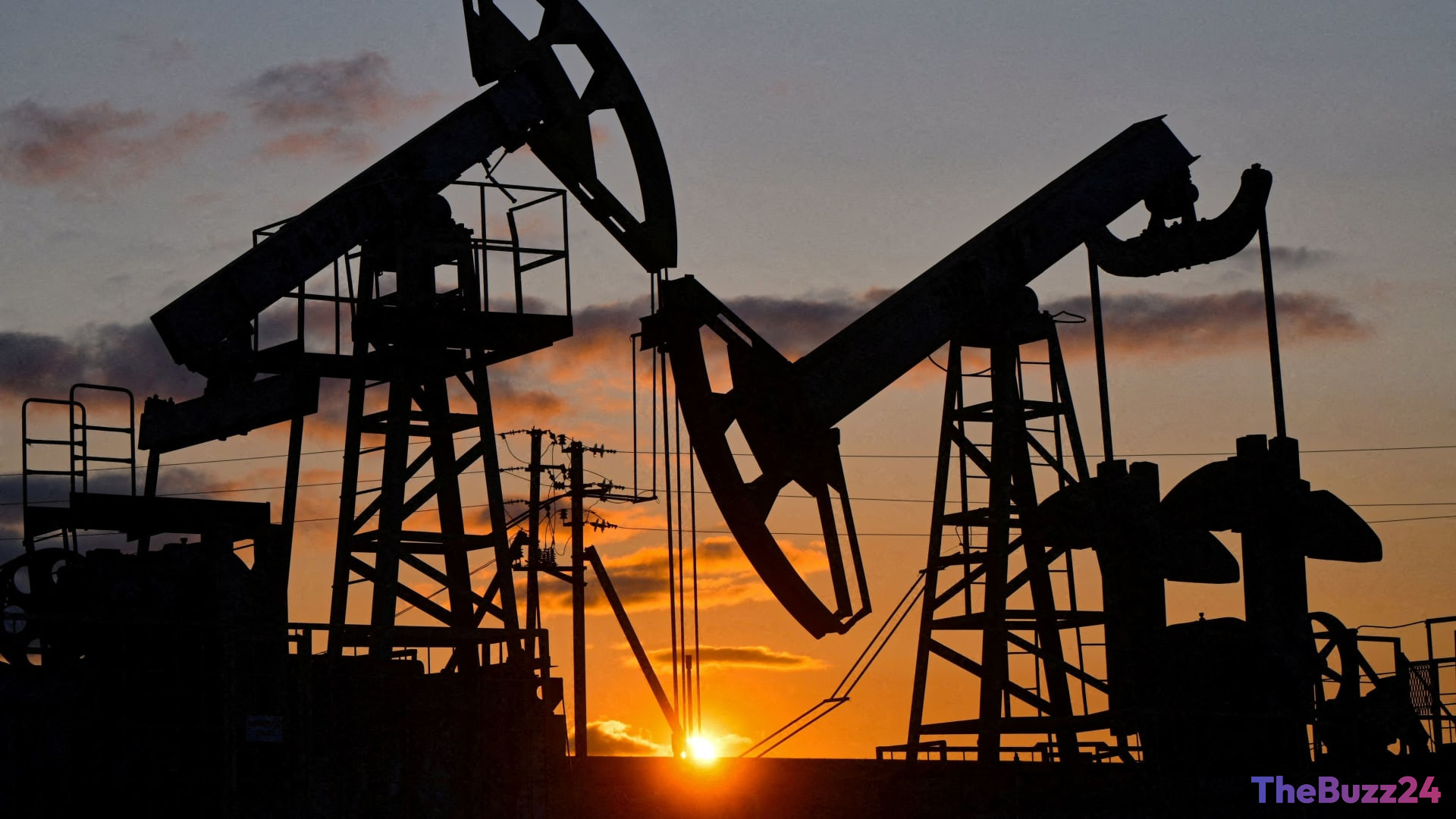
Global oil benchmarks have seen significant gains, with Brent crude surpassing $120 a barrel, as fears of prolonged supply tightness stemming from escalating U.S.-Iran tensions intensify. West Texas Intermediate (WTI) also recorded an uptick, reflecting market anxieties over the future availability of crude. These price surges follow reports indicating a firm U.S. stance on maintaining a blockade of Iranian exports and a lack of progress in nuclear negotiations.
The upward pressure on oil prices is largely attributed to signals that the United States is preparing for an extended period of sanctions against Iran. Former President Donald Trump, whose administration initiated a robust “maximum pressure” campaign against Tehran, reportedly instructed aides to plan for a sustained blockade. Furthermore, proposals from Tehran to reopen the critical Strait of Hormuz have been rejected, suggesting that the naval blockade will remain in effect until a comprehensive nuclear agreement is achieved. Trump himself underscored his hardline position in a recent social media post, urging Iran to “get smart soon!” regarding a non-nuclear deal.
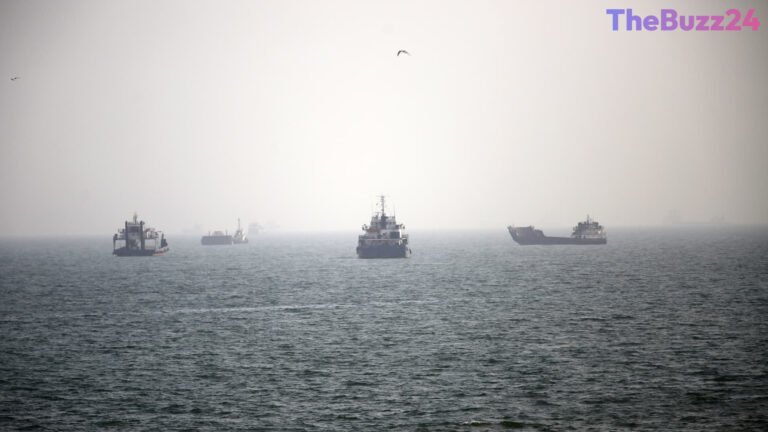
This sustained pressure on Iran’s oil exports has significantly impacted global supply. Estimates suggest that exports through the vital Strait of Hormuz chokepoint have plummeted to a fraction of their normal levels. Analysts warn that continued constrained Iranian exports, coupled with limited storage capacity, could lead to deeper supply disruptions if the blockade persists. While there is anticipation of increased output from the UAE following its exit from OPEC, experts believe this boost will materialize gradually over the medium term and is unlikely to immediately offset the current near-term supply tightness.
Despite the prevailing supply concerns, some analysts have also flagged emerging downside risks to demand. Global oil consumption in April, for instance, may have been notably lower than earlier months, with particular weakness observed in sectors like jet fuel and petrochemical feedstocks. However, the dominant narrative in the market remains the geopolitical risks and their direct impact on crude supply, pushing prices to levels not seen since mid-2022.
Key Takeaways
- Global oil prices, including Brent crude, have surged to over $120 a barrel due to escalating U.S.-Iran tensions.
- The U.S. is signaling an extended blockade of Iranian oil exports and has rejected proposals to reopen the critical Strait of Hormuz.
- Supply disruptions through the Strait of Hormuz are significant, with anticipated UAE output unlikely to immediately alleviate near-term tightness.
Editor’s Analysis & Impact
The sustained surge in oil prices, driven by the U.S.-Iran standoff, signals a significant geopolitical risk premium now embedded in the global energy market. For industries reliant on crude, from transportation to manufacturing, this translates to higher operational costs and potential inflationary pressures. The future outlook suggests continued volatility; as long as nuclear negotiations remain stalled and the U.S. maintains its firm stance on Iranian exports, prices are likely to remain elevated. Any unexpected de-escalation could prompt a market correction, but current indicators point towards prolonged supply tightness. Broader implications include potential headwinds for global economic growth, particularly in energy-importing nations, and a renewed focus on energy security and diversification strategies worldwide. This situation underscores how geopolitical flashpoints can rapidly reshape commodity markets and global economic stability.
Frequently Asked Questions
Q: Why are oil prices currently rising?
A: Oil prices are rising primarily due to escalating tensions between the U.S. and Iran, specifically the U.S. decision to maintain and potentially extend its blockade on Iranian oil exports, coupled with stalled nuclear negotiations. This creates fears of prolonged supply tightness in the global market.
Q: What is the Strait of Hormuz and why is it important to oil markets?
A: The Strait of Hormuz is a narrow, strategically vital waterway connecting the Persian Gulf to the open ocean. It is a critical chokepoint for global oil shipments, with a significant portion of the world's seaborne oil passing through it daily. Any disruption or blockade in the Strait can severely impact global oil supply, leading to price increases.
Q: How does the U.S. blockade affect Iran's oil exports?
A: The U.S. blockade, part of its 'maximum pressure' campaign, aims to restrict Iran's ability to sell oil on international markets. This significantly reduces Iran's export volumes, leading to a tighter global supply and contributing to higher oil prices. Estimates suggest exports through the Strait of Hormuz have fallen drastically.
AI Disclosure: This article is based on verified data and official reports. Our Team and AI have cross-referenced every financial detail with primary sources to ensure total accuracy.
More from this Category