Oil Prices Dip on U.S.-Iran Deal Hopes, Despite Tehran’s Denial
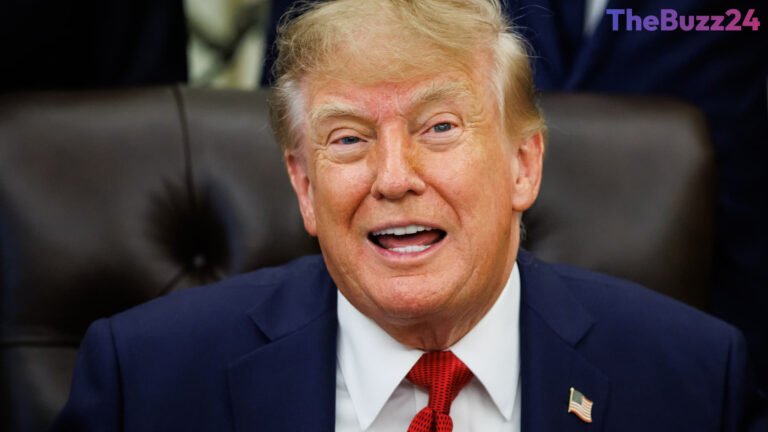
Global oil prices experienced a notable decline following an announcement from U.S. President Donald Trump, who stated that Washington had reached a framework agreement with Iran. This declaration fueled optimism that long-standing tensions in the Middle East could be nearing a resolution, potentially easing geopolitical risks impacting energy markets.
Speaking from the Oval Office, President Trump indicated that he anticipated a formal agreement to be signed within the coming days. He also asserted that the crucial Strait of Hormuz, a vital shipping lane for oil, would reopen once a deal was finalized. Earlier in the day, Trump revealed he had called off planned U.S. military strikes against Iran, claiming that negotiations had progressed to the highest levels of Iranian leadership and received approval.
However, Tehran swiftly countered these claims. Iranian state media, Fars, reported that Iran had not approved any draft text for an initial memorandum of understanding with Washington. Fars further characterized Trump’s announcement as a retreat from his previous military threats, suggesting he had presented no new elements beyond a proposal Iran had already submitted. The Iranian outlet indicated that the U.S. appeared to have reverted to Iran’s proposed text, opening a possibility for re-examination.
Despite the recent exchange of U.S.-Iran strikes and the conflicting reports, market analysts observed that oil prices have remained surprisingly contained. BMO Capital Markets noted that ongoing diplomatic efforts, the availability of alternative shipping routes around the Strait of Hormuz, and significantly lower Chinese crude imports have collectively helped offset geopolitical risks. Citi echoed this sentiment, highlighting that reduced Chinese crude imports have played a key role in moderating oil prices since the onset of the Middle East conflict, thereby diminishing fears of a bidding war for supplies. The bank estimates China can maintain imports near 8.7 million barrels per day without substantially depleting inventories, suggesting that demand from China may not provide a major boost to prices in the near term.
Key Takeaways
- Oil prices declined following President Trump's announcement of a framework agreement with Iran, raising hopes for de-escalation in the Middle East.
- Iran swiftly denied Trump's claims, stating no draft agreement had been approved and suggesting the U.S. had reverted to Iran's earlier proposals.
- Despite ongoing geopolitical tensions, oil prices have remained relatively stable due to diplomatic efforts, alternative shipping routes, and reduced crude imports from China.
Editor’s Analysis & Impact
The conflicting reports surrounding a potential U.S.-Iran agreement introduce significant volatility into global energy markets. While initial hopes of de-escalation led to a dip in oil prices, Tehran’s swift denial underscores the fragility of diplomatic efforts. A genuine resolution could stabilize the Middle East, potentially increasing oil supply and easing price pressures, especially with the Strait of Hormuz reopening. Conversely, a breakdown in talks risks renewed hostilities and a sharp surge in crude costs. The ongoing moderation of oil prices, despite recent tensions, highlights the impact of factors like reduced Chinese crude imports and alternative shipping routes, suggesting a more resilient market than previously assumed. However, the long-term trajectory of oil prices remains heavily dependent on the actual progression of U.S.-Iran relations and the broader geopolitical landscape.
Frequently Asked Questions
Q: Why did oil prices fall?
A: Oil prices initially fell due to President Trump's announcement of a framework agreement with Iran, which suggested a potential de-escalation of tensions in the Middle East and a possible reopening of the Strait of Hormuz.
Q: Did Iran confirm the agreement?
A: No, Iranian state media, Fars, quickly pushed back against President Trump's claims, denying that Tehran had approved any draft text for an initial memorandum of understanding with Washington.
Q: What factors are currently influencing oil prices besides U.S.-Iran tensions?
A: Beyond the U.S.-Iran situation, oil prices are being moderated by ongoing diplomatic efforts, the availability of alternative shipping routes around the Strait of Hormuz, and significantly lower crude imports from China, which reduces fears of a bidding war for supplies.
AI Disclosure: This article is based on verified data and official reports. Our Team and AI have cross-referenced every financial detail with primary sources to ensure total accuracy.
More from this Category