Oil Prices Ease as Saudi Defense Minister Holds High-Level Talks in Tehran
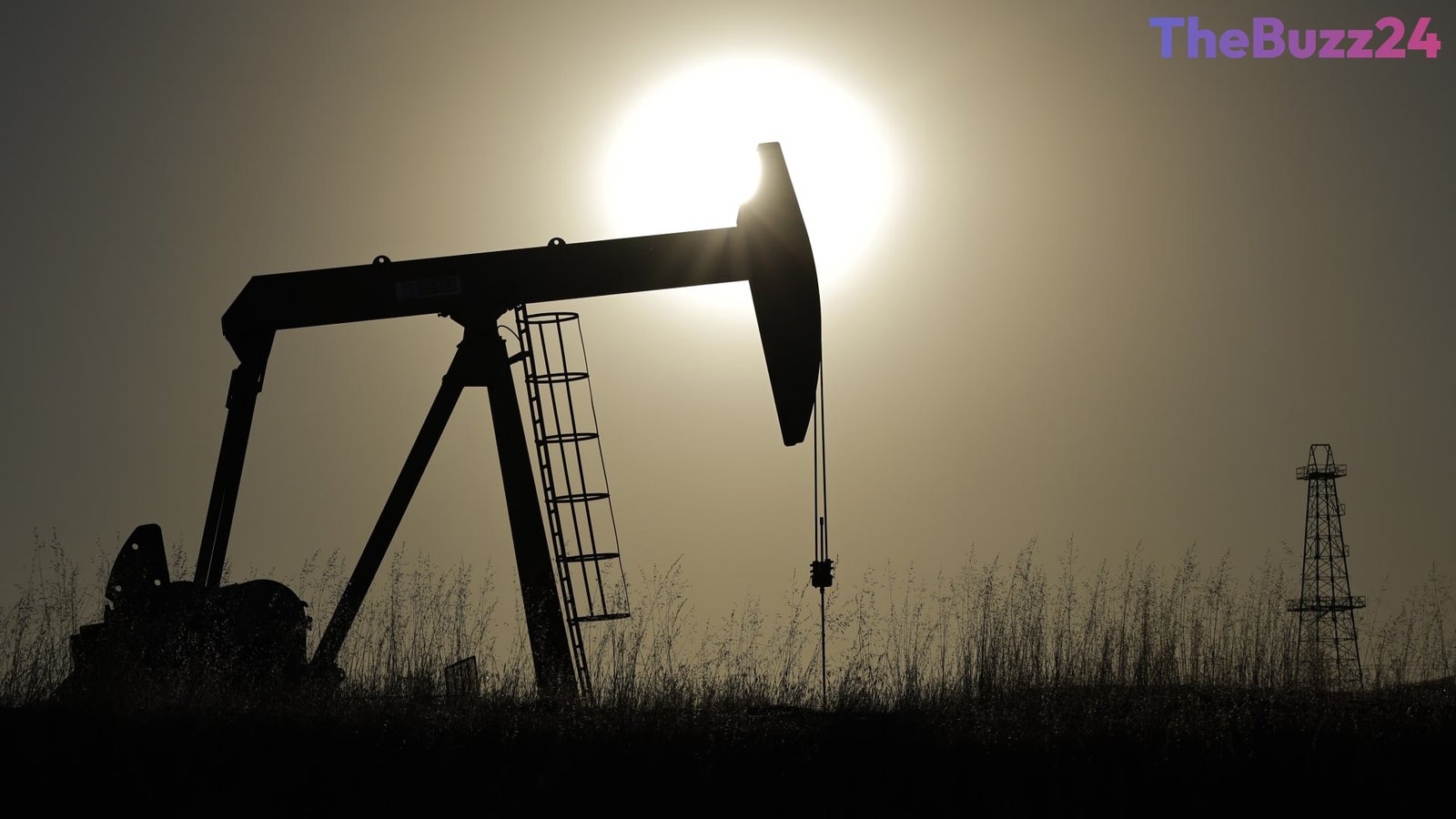
Crude oil futures experienced a downward trend at the start of the week, driven by diplomatic efforts to ease regional hostilities. Saudi Arabia’s defense minister traveled to Tehran for discussions with senior Iranian officials, sparking optimism that tensions impacting global energy corridors could soon subside.
During morning trading hours, U.S. West Texas Intermediate futures decreased by 1.2% to trade at $102.05 a barrel, while international benchmark Brent crude declined 0.7% to $115.86 a barrel. This market correction came on the heels of a significant price surge late last week, which was triggered by renewed drone and missile attacks launched by Iran-allied Houthi militants against critical infrastructure in Saudi Arabia.
The diplomatic delegation in Tehran features notable international figures, including Saudi Defense Minister Prince Khalid bin Salman, who is slated to meet with Iranian President Masoud Pezeshkian and National Security Council chief Mohsen Rezaei. Representatives from allied nations, such as Pakistan’s Army Chief of Staff Asim Munir and Turkish intelligence chief Ibrahim Kalin, are also involved in the negotiations aimed at fostering regional stability.
Despite the ongoing talks, market participants remain vigilant regarding the vulnerability of the kingdom’s energy production and export facilities. Recent strikes forced temporary disruptions and raised concerns among traders about potential long-term structural challenges to global refining capacity. Meanwhile, broader energy strategies continue to unfold, with plans for Saudi Arabia to establish crude storage facilities in Singapore by late 2027 to bolster Asian supply chain resilience.
Key Takeaways
- Crude oil prices fell as Saudi Arabia's defense minister met with Iranian officials to de-escalate tensions.
- WTI futures dropped 1.2% to $102.05 a barrel, and Brent crude declined 0.7% to $115.86 a barrel.
- Recent Houthi militant attacks on Saudi infrastructure have heightened concerns about global energy supplies and refining capacity.
Editor’s Analysis & Impact
The recent fluctuation in crude oil prices underscores the extreme sensitivity of global energy markets to geopolitical instability in the Middle East. While diplomatic engagements between Saudi Arabia and Iran offer a glimmer of hope for short-term de-escalation, structural vulnerabilities in regional refining and transport infrastructure continue to pose persistent risks. Analysts warn that any significant damage to pipelines or processing facilities could push Brent crude past the critical $120 threshold, potentially triggering demand destruction. Furthermore, hesitation among U.S. producers to scale up capital expenditures means that American output cannot easily step in to buffer major supply shocks. Consequently, energy markets are likely to remain highly volatile, with traders closely monitoring both diplomatic breakthroughs and security developments in the months ahead.
Frequently Asked Questions
Q: Why did oil prices fall recently?
A: Oil prices dipped as Saudi Arabia's defense minister traveled to Tehran for high-level talks with Iranian officials aimed at de-escalating regional tensions.
Q: What were the trading levels for crude oil following the announcement?
A: U.S. West Texas Intermediate futures fell 1.2% to $102.05 a barrel, while Brent crude declined 0.7% to $115.86 a barrel.
Q: What are the primary concerns for traders regarding Saudi infrastructure?
A: Traders are worried that Houthi militant attacks targeting Saudi airports and oil facilities could cause major disruptions to global energy supplies, production, and refining capacity.
AI Disclosure: This article is based on verified data and official reports. Our Team and AI have cross-referenced every financial detail with primary sources to ensure total accuracy.
More from this Category