Oil Prices Slide Amid Diplomatic Backchanneling and White House War Powers Maneuvers
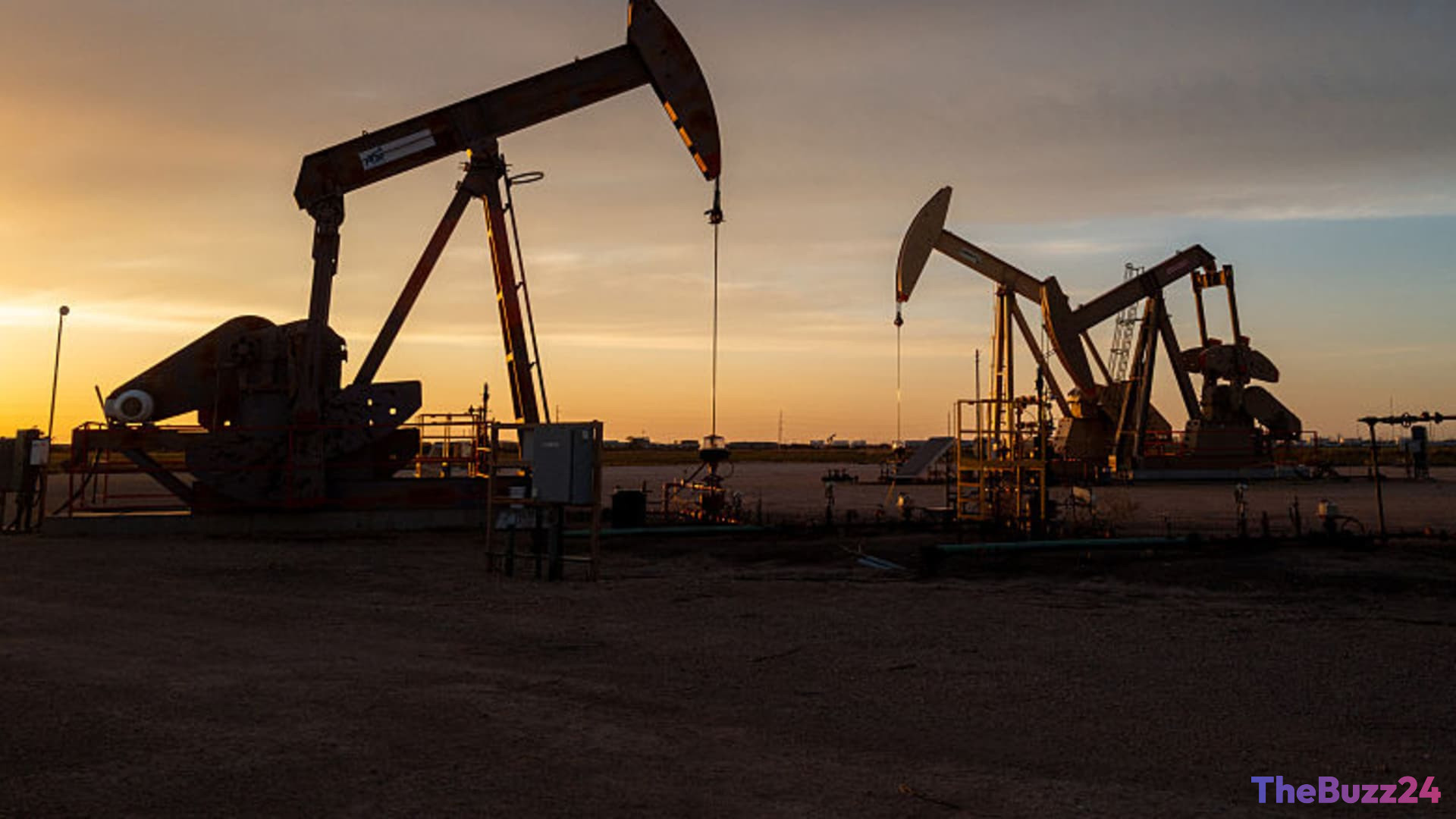
Global oil benchmarks experienced a downward shift on Friday following reports of active diplomatic communication between Washington and Tehran. U.S. crude futures dropped over 2% to settle around $102.45 per barrel, while international benchmark Brent crude ticked down slightly by 0.41% to $109.95. The market movement was triggered by news that Iran has delivered a formal response to proposed U.S. amendments regarding a draft peace agreement, utilizing Pakistani mediators to facilitate the exchange.
This diplomatic development coincides with a looming legislative deadline for the Trump administration. Under the 1973 War Powers Resolution, the White House faces a 60-day limit to secure congressional authorization for military actions initiated against Iran on February 28. However, administration officials are arguing that a ceasefire established on April 7 effectively “terminated” active hostilities. By asserting that the conflict has paused, the administration aims to bypass the May 1 deadline, arguing that the statutory clock is no longer running.
Defense Secretary Pete Hegseth previously introduced this legal interpretation during congressional hearings, emphasizing that the lack of direct fire since early April nullifies the immediate need for legislative approval. Despite the ceasefire, geopolitical tensions remain highly volatile. The White House has vowed to maintain its strict naval blockade on Iran until a comprehensive nuclear agreement is reached. In response, Tehran has kept the critical Strait of Hormuz closed, demanding an immediate lifting of U.S. port blockades before maritime trade can resume.
While diplomatic channels remain open, both nations are preparing for potential escalations. Military planners at U.S. Central Command have reportedly drafted contingency plans for brief, high-intensity airstrikes designed to break the diplomatic deadlock if negotiations collapse entirely. Conversely, commanders within Iran’s Revolutionary Guards have warned of severe, prolonged retaliatory strikes targeting American positions across the region should the U.S. resume offensive operations.
Key Takeaways
- Oil prices declined as Iran transmitted its response to U.S. peace draft amendments through Pakistani intermediaries.
- The Trump administration is leveraging an April 7 ceasefire to argue that the 60-day War Powers Resolution deadline is no longer active.
- Despite ongoing peace talks, the U.S. blockade remains in place, and Iran continues to block the strategic Strait of Hormuz.
Editor’s Analysis & Impact
The current standoff highlights the delicate balance between military posturing and economic reality in the energy sector. While the drop in oil prices reflects temporary market optimism over backchannel diplomacy, the underlying fundamentals remain highly unstable. The Strait of Hormuz is a vital global transit chokepoint; its continued closure poses a persistent threat to global supply chains. Furthermore, the White House’s creative legal maneuvering around the War Powers Resolution could spark a domestic constitutional battle with Congress, potentially weakening the administration’s leverage. Investors should expect continued volatility, as any breakdown in the Pakistani-mediated talks or a sudden resumption of hostilities will quickly erase current market gains and send crude prices surging back above previous highs.
Frequently Asked Questions
Q: Why did oil prices drop recently?
A: Oil prices fell because of reports that Iran and the United States are actively communicating through Pakistani mediators regarding a draft peace agreement, raising hopes of a diplomatic resolution.
Q: What is the War Powers Resolution controversy in this context?
A: The 1973 War Powers Resolution requires the U.S. President to withdraw troops within 60 days of a deployment unless Congress authorizes the action. The administration argues that a recent ceasefire reset this clock, allowing them to avoid seeking congressional approval.
Q: What are the main obstacles to a permanent peace deal?
A: Key obstacles include the ongoing U.S. blockade on Iranian ports, Iran's refusal to reopen the strategic Strait of Hormuz until sanctions are lifted, and mutual threats of military escalation if negotiations fail.
AI Disclosure: This article is based on verified data and official reports. Our Team and AI have cross-referenced every financial detail with primary sources to ensure total accuracy.
More from this Category