Wellness Trends Fuel Smoothie King’s Aggressive Growth and Innovation
Smoothie King is embarking on an ambitious expansion strategy, capitalizing on a significant surge in consumer health and wellness trends. The privately held chain has witnessed remarkable growth, with system-wide sales climbing an impressive 64% over the past five years. This momentum is largely attributed to a heightened public consciousness regarding dietary choices, particularly a growing demand for protein and fiber-rich options, which the company’s President and CFO, Gavin Felder, describes as significant industry tailwinds.
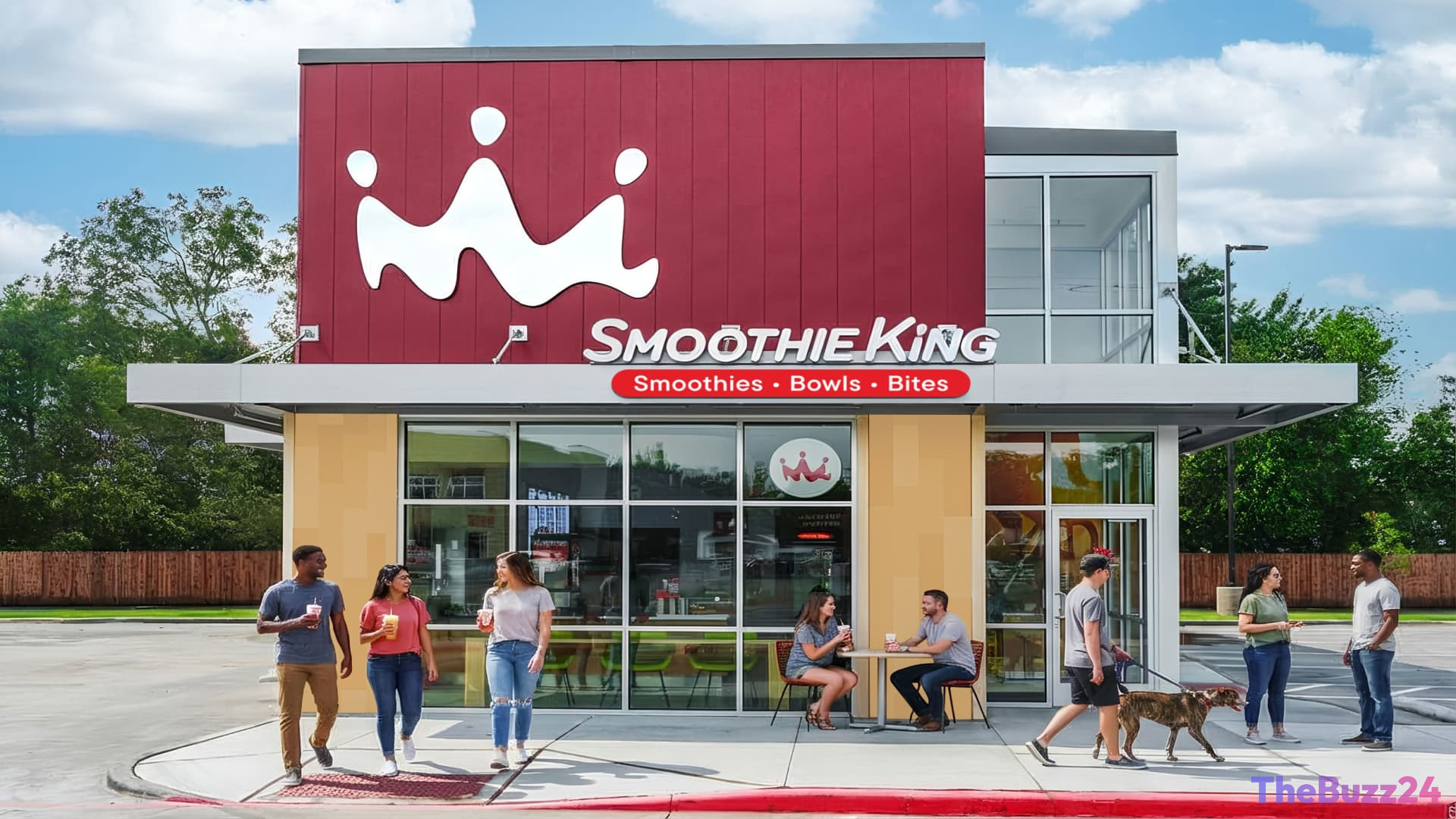
The company, which boasts over 1,200 locations, plans to significantly increase its footprint. Franchisees have committed to opening more than 200 new stores in the coming years, with approximately 90 new locations slated for this year alone. Alongside this expansion, Smoothie King is rolling out an updated store design, aiming for a warmer and more approachable aesthetic, a shift from its previous functional style. Furthermore, the brand is diversifying its menu beyond its signature smoothies and bowls, venturing into more substantial food offerings like flatbreads to complement its existing range of smoothie bowls, yogurt bowls, and loaded toasts. CEO Wan Kim, who acquired Smoothie King in 2012, has overseen a period of consistent double-digit system sales growth, further bolstered by a minority stake sale to private equity firm Main Post Partners, intended to accelerate innovation and expansion.
This period of robust growth for Smoothie King aligns perfectly with broader shifts in consumer behavior. The increasing adoption of GLP-1 medications, which often emphasize higher protein and fiber intake, coupled with a growing societal push against ultra-processed foods and artificial ingredients, creates a favorable market environment. Smoothie King positioned itself ahead of these trends with its 2019 “Clean Blends Initiative,” which systematically removed preservatives, artificial flavors, colors, and genetically modified fruits from its products, while incorporating organic vegetables. The company proudly notes its “no-no” list of banned ingredients is more extensive than those of many competitors, including Panera and Chipotle.
Despite a challenging economic landscape where many restaurant chains, such as Domino’s Pizza and Chipotle, are reporting softened sales due to budget-conscious consumers and increased competition in the health-focused dining sector, Smoothie King remains optimistic. Gavin Felder believes that even when financially stretched, consumers are more inclined to spend on items that make them “feel good” rather than those that induce guilt. This sentiment, combined with the brand’s commitment to transparency and its strategic alignment with evolving wellness priorities, positions Smoothie King for continued success in a dynamic market.
Key Takeaways
- Smoothie King is experiencing significant growth, with system-wide sales up 64% in five years, driven by increasing consumer focus on health and wellness.
- The company plans aggressive expansion, including over 200 new locations and a new store design, alongside diversifying its menu with flatbreads.
- Smoothie King's "Clean Blends Initiative" and commitment to natural ingredients position it well to capitalize on trends like GLP-1 drug adoption and a preference for less processed foods.
Editor’s Analysis & Impact
Smoothie King’s impressive growth trajectory underscores a significant and enduring shift in consumer preferences towards health and wellness within the fast-casual dining sector. The company’s strategic alignment with trends like increased demand for protein and fiber, partly influenced by GLP-1 medications, and a strong aversion to artificial ingredients, positions it favorably. The planned expansion and menu diversification into flatbreads suggest a broader ambition to capture more meal occasions, not just beverage consumption. While the market faces challenges from frugal consumers and heightened competition, Smoothie King’s established brand and proactive approach to ingredient transparency could provide a competitive edge. This case highlights how companies that authentically meet evolving health demands can achieve sustained success, even in a fluctuating economic climate.
Frequently Asked Questions
Q: What is driving Smoothie King's recent growth?
A: Smoothie King's growth is primarily fueled by strong wellness trends, including increased consumer focus on protein and fiber, a shift away from artificial ingredients, and the influence of GLP-1 medications.
Q: What are Smoothie King's expansion plans?
A: Smoothie King plans to open approximately 90 new locations this year, with franchisees committed to over 200 additional stores in the coming years. The company is also introducing a new store design and expanding its food menu to include flatbreads.
Q: How is Smoothie King addressing consumer demand for healthier options?
A: Smoothie King implemented its "Clean Blends Initiative" in 2019, removing preservatives, artificial flavors, colors, and GMO fruits while adding organic vegetables. The company emphasizes its extensive "no-no" list of banned ingredients.
AI Disclosure: This article is based on verified data and official reports. Our Team and AI have cross-referenced every financial detail with primary sources to ensure total accuracy.
More from this Category