Beyond the Price War: How AI is Redefining the Chinese Electric Vehicle Market
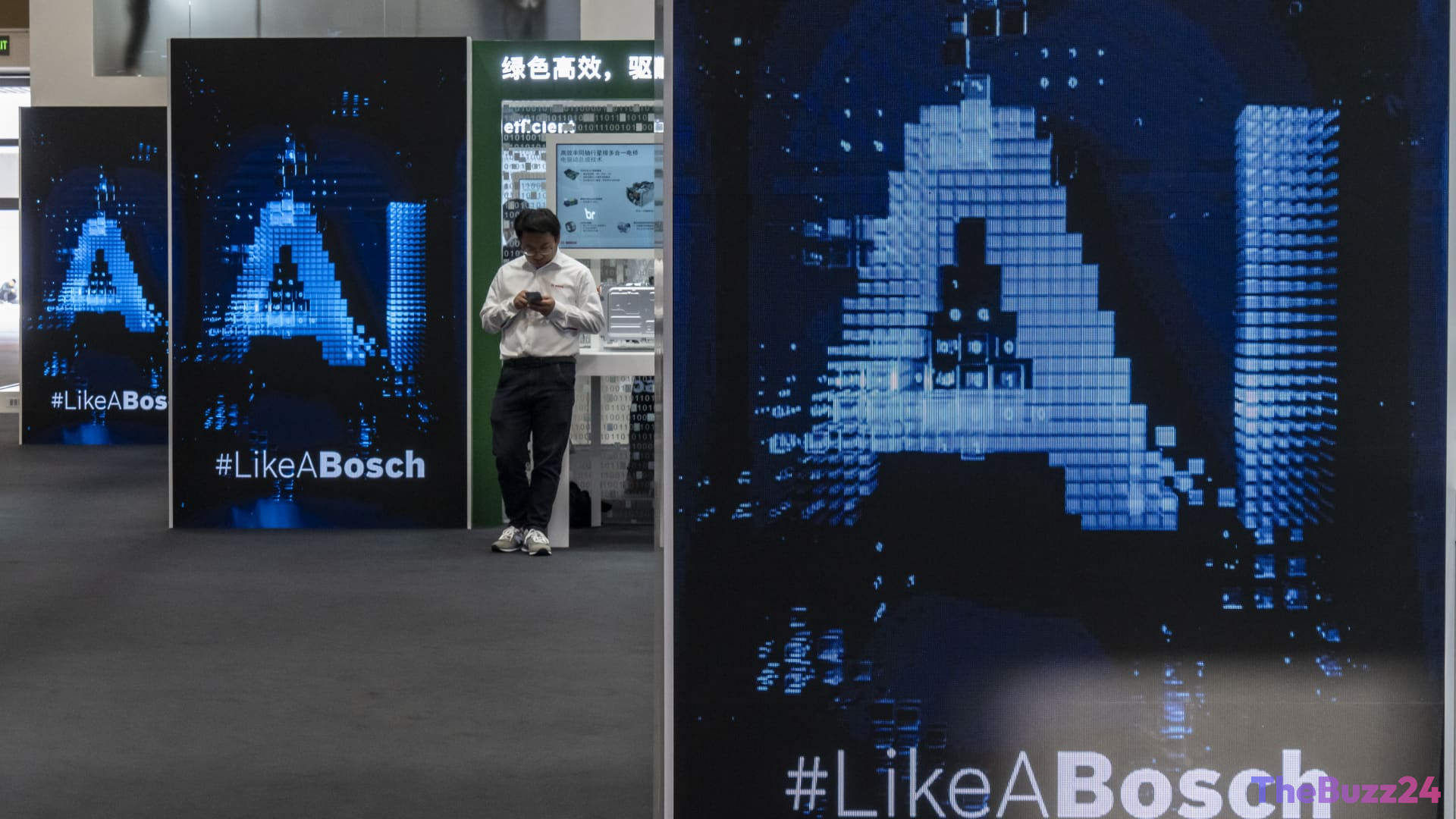
The Chinese electric vehicle (EV) industry is undergoing a significant strategic transformation, moving away from the aggressive price-slashing tactics that have dominated the sector in recent years. As market saturation intensifies and profit margins tighten, manufacturers are pivoting toward technological innovation as their primary competitive advantage. The new frontier for these automakers is the development of sophisticated, AI-powered digital cockpits designed to elevate the in-car experience.
This shift is being fueled by deep collaborations between automotive manufacturers and major technology firms. Advanced artificial intelligence models are rapidly becoming standard equipment, with ByteDance’s Doubao AI chatbot already integrated into over 145 car models across 50 different brands, reaching an estimated 7 million vehicles. This trend is not limited to domestic players; global automotive giants, including Mercedes-Benz and Audi, are also adopting these advanced digital tools to maintain their relevance and competitive edge within the Chinese market.
Furthermore, companies like Alibaba are expanding their influence by deploying the Qwen AI model, which enables drivers to execute complex lifestyle tasks—such as travel bookings or food orders—via voice commands. Supported by high-performance hardware from suppliers like Nvidia, these features are currently being used as key marketing differentiators. However, industry analysts suggest that these capabilities will soon transition from premium add-ons to baseline consumer expectations, compelling manufacturers to focus on building robust brand ecosystems to ensure long-term customer retention.
Key Takeaways
- Chinese EV makers are pivoting from price-based competition to technological differentiation through AI-integrated digital cockpits.
- Major tech firms like ByteDance and Alibaba are providing the software infrastructure for millions of vehicles, including those from international brands.
- AI-driven features are quickly evolving from luxury selling points into standard industry requirements, forcing automakers to prioritize ecosystem loyalty.
Editor’s Analysis & Impact
The pivot in the Chinese EV market signals a maturation phase where hardware parity is forcing a shift toward software-defined vehicles. By transforming cars into ‘third spaces’ capable of managing daily lifestyle tasks, automakers are attempting to move beyond the commoditization of transportation. The long-term implication is a battle for the user’s digital ecosystem; as AI integration becomes a standard expectation, the competitive advantage will shift toward companies that can create the most seamless, ‘sticky’ user experiences. This trend suggests a future where brand loyalty is determined by software integration rather than mechanical performance. However, this also introduces risks, as the rapid commoditization of AI features may lead to a consolidation of software platforms, potentially squeezing out smaller players who cannot afford to maintain proprietary, high-end AI ecosystems.
Frequently Asked Questions
Q: Why are Chinese EV manufacturers shifting their strategy away from price competition?
A: Aggressive price wars have severely impacted profit margins across the industry. To differentiate themselves in a crowded market, manufacturers are now focusing on high-tech AI features that provide a unique and premium user experience.
Q: How are technology companies contributing to the evolution of modern EVs?
A: Tech firms are providing the essential AI models, voice-activated assistants, and software infrastructure that allow automakers to offer advanced, task-oriented digital cockpits to their customers.
AI Disclosure: This article is based on verified data and official reports. Our Team and AI have cross-referenced every financial detail with primary sources to ensure total accuracy.
More from this Category