Royal Diplomacy Sparks Tariff Breakthrough: Trump Eliminates Duties on Scotch Whisky
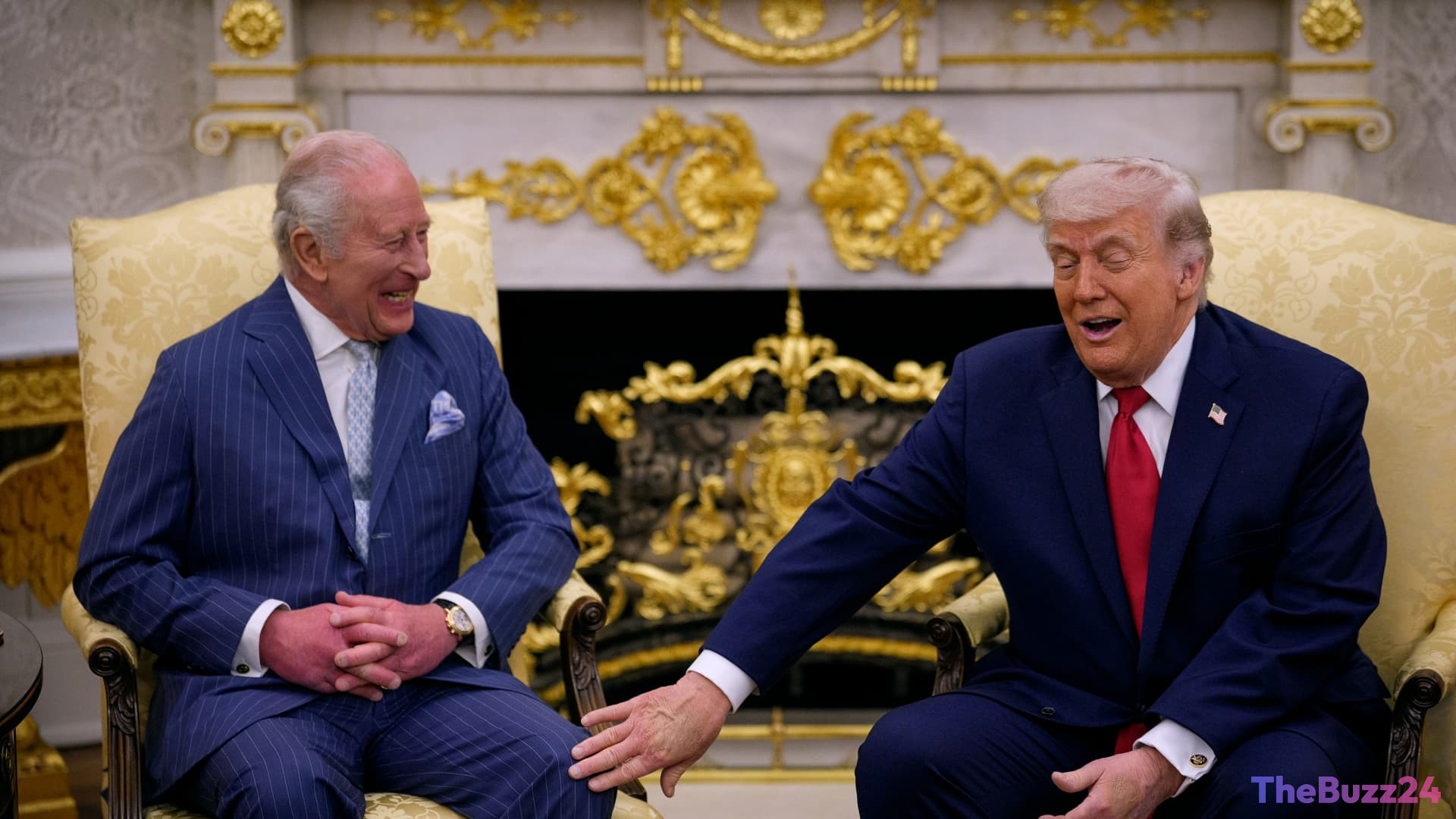
US President Donald Trump has announced the complete removal of tariffs on Scotch and Irish whiskies, a move widely seen as a major diplomatic victory following a four-day state visit by King Charles III and Queen Camilla to the United States. The decision effectively rolls back trade barriers that had strained transatlantic commerce, particularly affecting Scotland’s premier export sector. Trump framed the policy shift as a direct tribute to the British monarchs, noting that their visit succeeded in resolving a long-standing trade dispute where previous political negotiations had faltered.
The tariff elimination brings immense relief to the Scottish whisky industry, which supports approximately 40,000 jobs and accounted for nearly a quarter of Scotland’s total goods exports in 2025. Under previous trade policies, a 10% blanket tariff had disrupted the zero-tariff status quo, costing Scottish distillers an estimated £4 million ($5.44 million) weekly. Furthermore, the industry was facing the imminent threat of a 25% tariff on single malts as a temporary five-year suspension neared its expiration. The resolution also revitalizes a crucial bilateral trade loop with Kentucky, where Scottish distillers source used wooden bourbon barrels.
The breakthrough comes at a critical juncture for US-UK relations, which had cooled recently due to disagreements between President Trump and British Prime Minister Keir Starmer over foreign policy matters. Observers credit King Charles’s “soft power” diplomacy—highlighted by an address to a Joint Meeting of Congress and a White House state dinner—with restoring goodwill between the two nations. Scottish First Minister John Swinney and industry leaders expressed profound gratitude for the resolution, while Buckingham Palace confirmed that the King welcomed the decision as a vital boost to British livelihoods.
Key Takeaways
- US President Donald Trump has eliminated all tariffs on Scotch and Irish whiskies following a successful state visit by King Charles III and Queen Camilla.
- The decision resolves a costly trade dispute that was draining an estimated £4 million ($5.44 million) per week from the Scottish export economy.
- The move restores the zero-tariff environment and secures the vital trade pipeline of wooden bourbon barrels between Scotland and Kentucky.
Editor’s Analysis & Impact
This sudden policy reversal underscores the potent, albeit unconventional, influence of royal diplomacy in modern trade relations. By bypassing traditional ministerial channels, King Charles III successfully leveraged “soft power” to resolve a multi-million-dollar trade bottleneck that political negotiations had failed to settle. For the global spirits industry, the return to a zero-tariff framework provides immediate financial relief and long-term stability, particularly for Scottish distillers who were bracing for a potential 25% tariff hike. Beyond the immediate economic benefits for Scotland and Kentucky’s bourbon producers, this move signals a pragmatic recalibration of US-UK relations. It suggests that despite personal or political friction between heads of government, the foundational “special relationship” remains highly resilient when navigated through cultural and symbolic diplomacy.
Frequently Asked Questions
Q: Why did the US remove the tariffs on Scotch whisky?
A: President Donald Trump eliminated the tariffs as a gesture of goodwill following a highly successful four-day state visit to the US by King Charles III and Queen Camilla.
Q: How will this decision impact the Scottish economy?
A: The removal of tariffs will save the Scottish whisky industry an estimated £4 million ($5.44 million) per week, protecting around 40,000 jobs and securing a vital export market.
Q: Does this agreement affect American whiskey producers?
A: Yes, it revitalizes the bilateral trade of wooden barrels between Kentucky bourbon distillers and Scottish whisky producers, benefiting both regional economies.
AI Disclosure: This article is based on verified data and official reports. Our Team and AI have cross-referenced every financial detail with primary sources to ensure total accuracy.
More from this Category