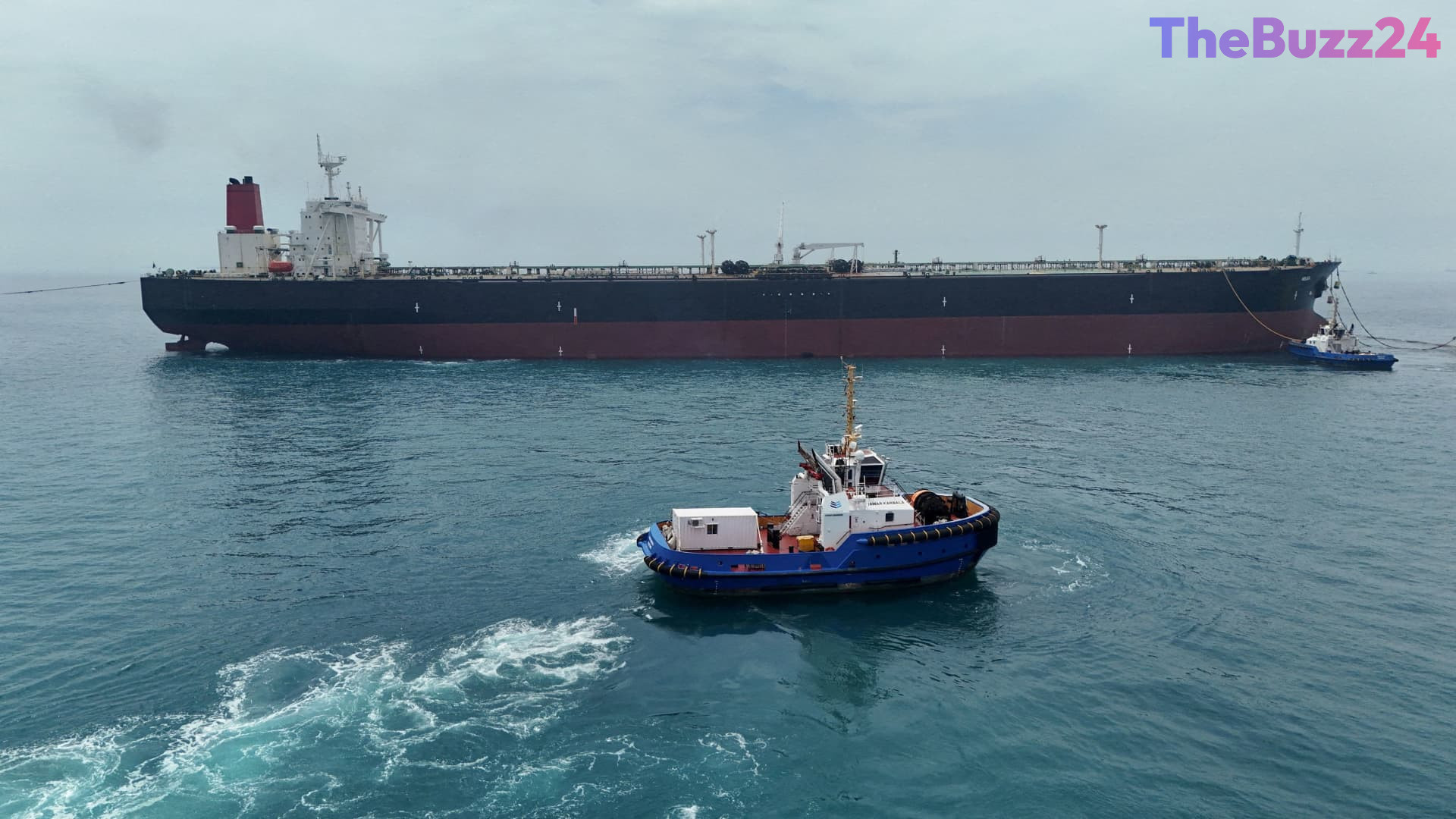
Oil Prices Surge as U.S. Launches Fresh Strikes and Reinstates Iranian Naval Blockade
Global oil benchmarks experienced a notable uptick during volatile trading on Wednesday, driven by escalating geopolitical tensions in the Middle East. The price surge followed a series of targeted military strikes by United States forces against Iranian military installations, coupled with the reinstatement of a naval blockade around key Iranian ports near the critical Strait of Hormuz shipping lane. U.S. West Texas Intermediate (WTI) futures for August delivery climbed 1.01% to settle at $80.14 per barrel, while September futures for the international benchmark Brent crude rose 1.23% to reach $85.77 per barrel.
The military action, executed by U.S. Central Command (Centcom), involved a coordinated seven-hour operation utilizing fighter jets, unmanned aerial vehicles, and naval ships. The strikes successfully targeted and degraded Iranian missile and drone facilities, coastal defense networks, and naval assets. According to military officials, the operation was designed to neutralize Iran’s capacity to disrupt international commercial shipping corridors. This offensive coincided with the re-establishment of a strict naval blockade aimed at restricting vessel traffic entering and exiting Iranian ports.
The escalation comes in response to a series of hostile actions attributed to Iranian forces. Reports indicate that Iran had deliberately targeted civilian shipping, launching attacks on seven commercial vessels over the preceding week. These maritime assaults resulted in approximately a dozen crew members being reported dead, missing, or injured. The sudden flare-up has dashed hopes for a swift stabilization of the Strait of Hormuz, a vital chokepoint through which a significant portion of the world’s oil supply passes.
Energy analysts warn that the situation remains highly volatile. With the naval blockade back in place and military engagements intensifying, the conflict appears to be on a renewed escalatory path. Industry experts suggest that if the current level of hostility persists over the coming weeks, oil prices could easily retest the $100-per-barrel threshold. Furthermore, any direct targeting of regional energy infrastructure could send crude prices even higher, posing a severe threat to global economic stability.
Key Takeaways
- U.S. forces launched a seven-hour military operation targeting Iranian drone, missile, and naval assets near the Strait of Hormuz.
- A naval blockade on Iranian ports has been reinstated following recent attacks on commercial vessels that left several crew members dead or injured.
- Oil prices reacted immediately, with Brent crude rising to $85.77 and WTI climbing to $80.14, with analysts warning of a potential surge to $100 if hostilities persist.
Editor’s Analysis & Impact
The reinstatement of the U.S. naval blockade and the direct strikes on Iranian military assets mark a significant escalation in Middle Eastern geopolitical risk, directly impacting global energy markets. The Strait of Hormuz is the world’s most critical oil transit chokepoint; any prolonged disruption or threat to commercial shipping there immediately injects a risk premium into crude pricing. While current price increases are relatively measured, the threat of a wider regional conflict looms large. If Iran retaliates by targeting regional oil infrastructure or successfully choking off shipping lanes, global supply chains will face severe bottlenecks. Investors should brace for heightened volatility, as the path to $100 oil is now highly dependent on whether diplomatic channels can de-escalate the situation before physical supply disruptions occur.
Frequently Asked Questions
Q: Why did oil prices rise?
A: Oil prices increased due to heightened geopolitical tensions after U.S. forces launched military strikes against Iranian targets and reinstated a naval blockade near the Strait of Hormuz, raising fears of supply disruptions.
Q: What was the scope of the U.S. military operation?
A: The seven-hour operation involved fighter jets, drones, and naval vessels targeting Iranian missile and drone facilities, coastal defenses, and naval assets to protect commercial shipping lanes.
Q: How high could oil prices go if the conflict escalates?
A: Energy analysts warn that if the current intensity of hostilities persists or if regional oil infrastructure is directly targeted, oil prices could retest $100 per barrel or rise even higher.
AI Disclosure: This article is based on verified data and official reports. Our Team and AI have cross-referenced every financial detail with primary sources to ensure total accuracy.
More from this Category