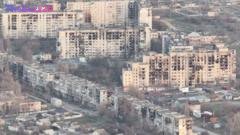
Oleshky Residents Resort to Eating Weeds Amidst Devastating Siege
Residents of the Russian-occupied city of Oleshky, located in Ukraine’s southern Kherson region, are facing dire humanitarian conditions, resorting to foraging for garden weeds as food supplies dwindle. The city, situated precariously between the Dnipro River and Russian forces, has been under occupation since 2022 and was severely impacted by the 2023 Nova Kakhovka Dam collapse, which submerged many buildings.
Once a city of 24,000 people, Oleshky is now estimated to house only around 6,000 residents, including 200 children. These remaining inhabitants are reportedly suffering from malnutrition, a severe lack of medical services, and a complete absence of educational opportunities. The city’s single hospital operates sporadically, primarily for critical amputations, highlighting the collapse of essential services. Electricity, gas, and water have been unavailable since the dam incident.
Accounts from residents paint a grim picture of daily survival. One individual, whose name has been changed for safety, described the last food delivery occurring in May and subsisting on a single meal a day, often consisting of bread with minimal additions. The practice of identifying and preparing edible weeds has become a common topic of discussion on local messaging platforms, alongside desperate attempts to share or trade scarce food items. The city’s infrastructure has been decimated, with no shops operational and no access to basic necessities like clothing or hygiene products.
Adding to the tragedy, civilian deaths are a frequent occurrence. Reports indicate that two civilians were killed by a drone on September 20 while attempting to procure food from a nearby town. The exact number of casualties is difficult to ascertain, with UN figures recording at least 29 civilian deaths and 54 injuries in the Oleshky area this year. Local volunteers, however, suggest the toll is significantly higher, with some bodies reportedly left unburied for months due to restrictions imposed by occupation authorities, who demand post-mortem examinations by Russian doctors—a process impossible in the city. This grim situation is compounded by the psychological warfare tactics reportedly employed by occupying forces, creating an environment of constant fear and despair.
Key Takeaways
- Residents in Russian-occupied Oleshky are facing extreme food shortages, resorting to eating weeds.
- The city lacks basic services like electricity, gas, water, and functioning medical facilities.
- Civilian casualties are frequent, with reports of deaths from shelling, drones, and landmines, and difficulties in burying the dead.
Editor’s Analysis & Impact
The situation in Oleshky exemplifies the catastrophic humanitarian consequences of prolonged conflict and occupation. The complete breakdown of infrastructure and supply chains has pushed civilians to the brink, forcing them into survival tactics like consuming weeds. The lack of access to food, medicine, and even the basic dignity of proper burial underscores the severe impact on the civilian population. This crisis highlights the urgent need for international intervention to ensure humanitarian aid reaches besieged areas and to hold responsible parties accountable for the suffering inflicted. The long-term implications include potential widespread malnutrition, disease outbreaks, and lasting psychological trauma for survivors, further complicating any future recovery efforts.
Frequently Asked Questions
Q: What caused the severe damage and isolation of Oleshky?
A: Oleshky has been under Russian occupation since 2022. The city was also severely impacted by the 2023 Nova Kakhovka Dam collapse, which caused widespread flooding and further disrupted infrastructure and access.
Q: What are the main challenges faced by residents in Oleshky?
A: Residents face extreme shortages of food, water, electricity, gas, and medical services. Many are malnourished, and educational opportunities are non-existent. Access to basic necessities like hygiene products and clothing is also unavailable.
Q: Why is it difficult to bury the dead in Oleshky?
A: Russian occupation authorities reportedly restrict burials for civilians killed by drones, landmines, or other non-natural causes. They demand post-mortem examinations by Russian doctors, which is not feasible in Oleshky, leading to bodies remaining unburied for extended periods.
AI Disclosure: This article is based on verified data and official reports. Our Team and AI have cross-referenced every financial detail with primary sources to ensure total accuracy.
More from this Category