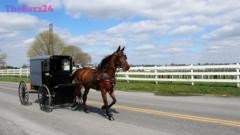
Door-to-Door Nurses Combat Deadly Measles Outbreak in Pennsylvania’s Amish Communities
In the heart of Pennsylvania’s Amish country, a dedicated team of nurses is undertaking a critical mission: combating the deadliest measles outbreak the state has seen in decades. These healthcare professionals are going beyond traditional clinics, traveling directly to the homes of residents, particularly within the Amish community, to administer vital vaccinations and build crucial trust.
The strategy involves personalized outreach, with nurses like those from the Chester County Health Department making extensive journeys to connect with families. They enter homes respectfully, aiming to educate and vaccinate individuals, often around the kitchen table. Many residents in these rural areas lack health insurance and have limited interaction with the mainstream medical system, making them less likely to seek out preventative care like vaccinations. Nurses are finding that by answering questions and fostering trust, they can significantly influence decisions about immunization.
This boots-on-the-ground approach is a key component of the county and state health departments’ efforts to increase vaccination rates. The Amish community, known for its traditional lifestyle that often eschews modern technology and extensive contact with the Western medical system, presents unique challenges for public health campaigns. Traditional methods like social media posts are ineffective. Instead, health officials are relying on direct engagement to reach an estimated quarter of the Amish population in the Lancaster area who remain unvaccinated.
The urgency of the situation is underscored by the alarming rise in measles cases, which has led to four deaths in the state, the highest number since 1992. The highly contagious virus is spreading rapidly, particularly within close-knit communities. Health officials are working to dispel misinformation, including unfounded theories about vaccine safety that have unfortunately permeated even insulated communities. The direct approach aims to address these concerns and provide accessible vaccination options, especially for parents worried about their children’s health.
Key Takeaways
- Nurses are conducting door-to-door vaccinations in Pennsylvania's Amish communities to combat a deadly measles outbreak.
- The outreach strategy focuses on building trust and addressing misinformation within a community that has limited access to traditional healthcare.
- The state is experiencing its deadliest measles outbreak since 1992, with four reported deaths, highlighting the critical need for increased vaccination rates.
Editor’s Analysis & Impact
This measles outbreak in Pennsylvania highlights a critical intersection of public health, community engagement, and cultural considerations. The “boots-on-the-ground” approach, while resource-intensive, is proving essential for reaching populations with limited access or trust in conventional healthcare systems. The challenges faced in the Amish community mirror broader trends of vaccine hesitancy fueled by misinformation, which can be exacerbated by political rhetoric. The success of these direct outreach programs could offer a scalable model for addressing similar public health crises in other isolated or hesitant communities. The long-term outlook depends on sustained efforts to build trust and ensure equitable access to preventative healthcare, especially as the virus continues to spread.
Frequently Asked Questions
Q: Why is measles particularly dangerous for the Amish community?
A: The Amish community often has lower vaccination rates due to limited access to mainstream healthcare and a cultural inclination towards traditional practices. This, combined with their highly social nature, can lead to rapid and widespread transmission of the highly contagious measles virus within the community, increasing the risk of severe complications and deaths, especially among vulnerable infants and the elderly.
Q: What are the main challenges in vaccinating the Amish community against measles?
A: Key challenges include their general avoidance of modern technology and extensive contact with the Western medical system, making traditional outreach methods ineffective. Building trust is paramount, as is overcoming misinformation that may have filtered into the community. Furthermore, logistical barriers such as transportation and lack of health insurance can hinder access to vaccination clinics.
Q: How are health officials addressing vaccine misinformation in this outbreak?
A: Health officials are employing direct, in-person communication to address concerns and dispel myths about vaccine safety. This involves nurses and health workers patiently answering questions, explaining the benefits of vaccination, and building rapport with community members. The focus is on providing accurate information and fostering trust through consistent, respectful engagement.
AI Disclosure: This article is based on verified data and official reports. Our Team and AI have cross-referenced every financial detail with primary sources to ensure total accuracy.
More from this Category