OPEC+ Maintains Steady Oil Output Policy Amid Ongoing Middle East Conflict
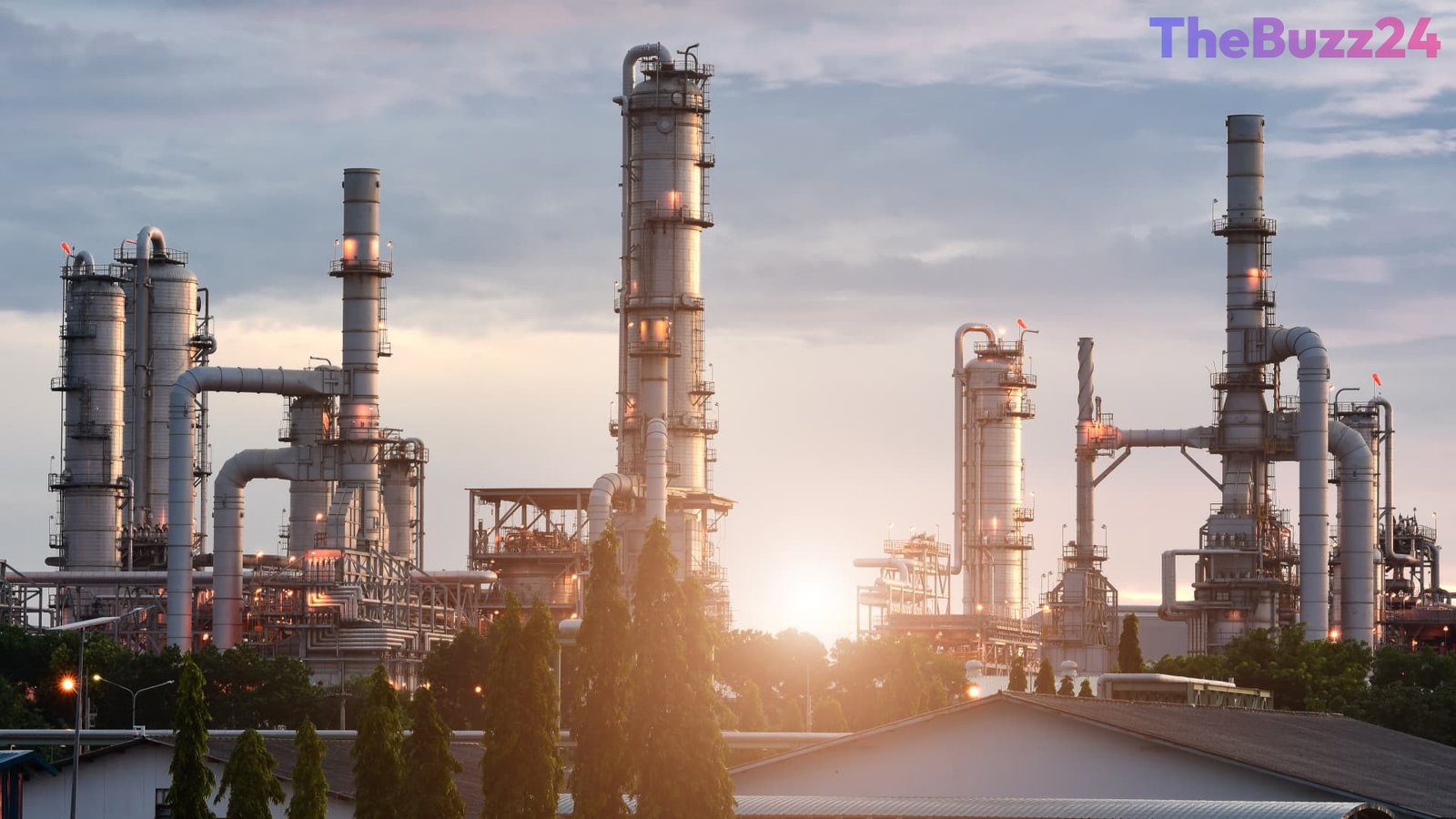
The coalition of major oil-producing nations known as OPEC+ has decided to maintain its current petroleum output quotas for October. Key ministers from the alliance confirmed the decision following a strategic meeting, noting that member states must first reach a consensus on upcoming production quotas before implementing any substantial adjustments to their supply strategies.
The gathering brought together core members, including Saudi Arabia, Russia, Iraq, Kuwait, Algeria, Kazakhstan, and Oman. These deliberations unfold against the backdrop of an extended conflict involving Iran, which continues to severely restrict petroleum shipments through the vital Strait of Hormuz. This geopolitical disruption has notably constrained the collective influence of the producer group over global market pricing and supply distribution, rendering nominal production targets less effective in practice.
Energy analysts point out that while the alliance has previously rolled back portions of older supply reductions, physical output frequently falls short of official targets due to regional instability. With broader production cuts slated to remain active through late 2026, the coalition faces complex negotiations regarding capacity baselines for 2027. Consequently, market observers anticipate that monthly output increases may remain paused as member nations prepare for deeper structural debates later in the year. Meanwhile, international crude benchmarks have experienced upward pressure, reflecting heightened supply anxieties driven by ongoing military developments in the region.
Key Takeaways
- OPEC+ has left its oil output policy unchanged for the month of October.
- Ongoing military conflict involving Iran continues to disrupt vital shipments through the Strait of Hormuz, limiting the alliance's market influence.
- Crude oil prices surged significantly over the week, driven by supply concerns and geopolitical tensions.
Editor’s Analysis & Impact
The decision by OPEC+ to hold production steady highlights the acute challenges commodity cartels face when physical supply routes are compromised by geopolitical conflict. While paper quotas dictate theoretical limits, the reality on the ground—especially concerning chokepoints like the Strait of Hormuz—demonstrates that security risks often override ministerial declarations. For the broader energy market, this means heightened volatility will likely persist as long as regional hostilities continue. Looking ahead, the alliance’s upcoming negotiations regarding 2027 output baselines will be a critical turning point. If member states cannot establish cohesive capacity metrics, internal disagreements could threaten the structural integrity of the agreement, ultimately reshaping global oil trade dynamics for the remainder of the decade.
Frequently Asked Questions
Q: Why did OPEC+ keep its oil output policy unchanged?
A: The alliance decided to maintain its current policy as member states need to agree on new production quotas and review capacity baselines before determining their next output steps.
Q: How has the conflict involving Iran impacted the oil market?
A: The ongoing conflict has disrupted vital oil exports through the Strait of Hormuz, limiting OPEC+'s influence over prices and causing crude oil and diesel prices to surge.
Q: When is the next meeting of the core OPEC+ members scheduled?
A: The core group of seven OPEC+ members is scheduled to hold its next meeting on October 4.
AI Disclosure: This article is based on verified data and official reports. Our Team and AI have cross-referenced every financial detail with primary sources to ensure total accuracy.
More from this Category